Health
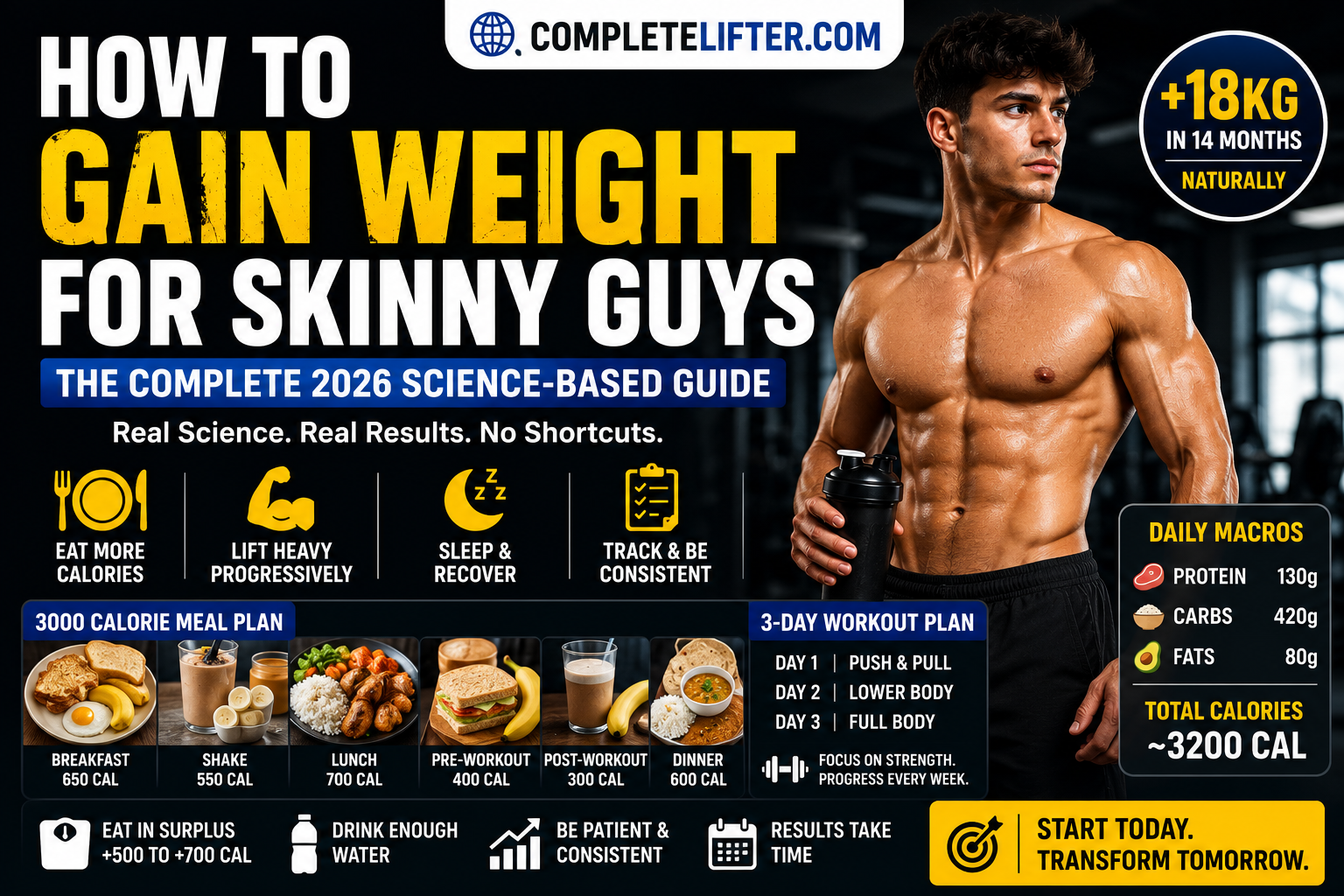
How to Gain Weight for Skinny Guys

Introduction
For many naturally skinny guys, gaining weight can feel just as difficult as losing weight is for others.
The reality is that healthy weight gain isn’t about eating random junk food or forcing yourself to consume massive meals. Successful weight gain requires a combination of proper nutrition, strength training, recovery, and consistency.
This guide explains exactly why some people struggle to gain weight, how many calories you need, the best foods for muscle growth, effective workout strategies, and common mistakes that prevent progress.
Why Skinny Guys Struggle to Gain Weight
1. High Daily Energy Expenditure
Many naturally lean individuals are highly active without realizing it.
2. Underestimating Food Intake
Tracking food intake for a few days can reveal surprising gaps between perceived and actual calorie consumption.
3. Ineffective Training
To gain weight effectively, your training must focus on progressive resistance exercises that encourage muscle growth.
How Many Calories Do You Need to Gain Weight?
Step 1: Calculate Your Basal Metabolic Rate (BMR)
A commonly used formula is:
BMR = (10 × body weight in kg) + (6.25 × height in cm) − (5 × age) + 5
Step 2: Account for Activity Level
| Activity Level | Multiplier |
| Sedentary | 1.2 |
| Light Activity | 1.4 |
| Moderate Training | 1.6 |
| Very Active | 1.8 |
Step 3: Add a Calorie Surplus
To gain weight steadily:
| Goal | Daily Surplus |
| Slow Weight Gain | +250–300 Calories |
| Moderate Weight Gain | +400–500 Calories |
| Fast Weight Gain | +500–700 Calories |
The Ideal Macronutrient Split
Protein
Protein provides the building blocks needed for muscle repair and growth.
Recommended intake:
1.6–2.2 grams per kilogram of body weight
Good protein sources include:
- Chicken breast
- Eggs
- Fish
- Lean beef
- Greek yogurt
- Cottage cheese
- Lentils
- Beans
- Whey protein
Carbohydrates
Carbohydrates are the body’s primary energy source and play a major role in supporting muscle growth.
Aim for approximately 50–55% of total daily calories from carbohydrates.
Healthy carbohydrate sources include:
- Rice
- Potatoes
- Oats
- Whole-grain bread
- Pasta
- Fruits
- Legumes
Healthy Fats
Fats provide concentrated calories and support hormone production.
Aim for approximately 20–30% of daily calories from healthy fats.
Good sources include:
- Peanut butter
- Almonds
- Walnuts
- Olive oil
- Avocados
- Whole eggs
Example Macronutrient Breakdown
| Nutrient | Daily Target |
| Protein | 130g |
| Carbohydrates | 400–450g |
| Fat | 80–90g |
Essential Rules for Weight Gain Success
Eat Frequently
Large meals can be overwhelming for many hardgainers. Consuming five to six smaller meals throughout the day often makes it easier to achieve calorie goals.
High-Calorie Weight Gain Shake
| Ingredient | Amount |
| Milk | 500ml |
| Oats | 80g |
| Bananas | 2 |
| Peanut Butter | 2 tbsp |
| Whey Protein | 1 Scoop |
Approximate calories: 800–900
Track Your Food Intake
Monitoring calorie intake helps ensure you are consistently eating enough to support weight gain.
Focus on Strength Training
- Squats
- Deadlifts
- Bench Press
- Rows
- Pull-Ups
- Overhead Press
These movements recruit multiple muscle groups and are highly effective for building mass.
Prioritize Recovery
Aim for:
- 7–9 hours of sleep
- Proper hydration
- Adequate protein intake
- Rest days between intense sessions
Common Mistakes That Prevent Weight Gain
Eating Too Clean
Include calorie-dense foods alongside nutritious whole foods.
Excessive Cardio
Too much cardio can increase calorie expenditure and make it harder to maintain a surplus.
Program Hopping
Constantly switching workout routines prevents long-term progress.
Ignoring Post-Workout Nutrition
After training, your body benefits from a combination of protein and carbohydrates to support recovery and muscle growth.
Supplements That Can Help
Whey Protein
A convenient source of high-quality protein.
Creatine Monohydrate
One of the most researched supplements available.
Benefits include:
- Increased strength
- Improved training performance
- Enhanced muscle fullness
Recommended dosage: 3–5 grams daily.
Multivitamin
Useful for individuals with limited dietary variety.
Sample 3,000-Calorie Weight Gain Meal Plan
| Meal | Foods |
| Breakfast | Eggs, toast, banana, milk |
| Morning Snack | Oats shake with peanut butter |
| Lunch | Rice, chicken, vegetables |
| Pre-Workout | Banana, bread, coffee |
| Post-Workout | Whey protein and fruit |
| Dinner | Rice, lentils, vegetables, yogurt |
Simple 3-Day Muscle-Building Workout Plan
1.
- Squats – 4 sets
- Bench Press – 4 sets
- Barbell Rows – 4 sets
- Overhead Press – 3 sets
- Plank – 3 sets
2.
- Deadlifts – 3 sets
- Incline Dumbbell Press – 4 sets
- Pull-Ups – 3 sets
- Dips – 3 sets
- Hanging Leg Raises – 3 sets
3.
- Squats – 3 sets
- Bench Press – 3 sets
- Romanian Deadlifts – 3 sets
- Lateral Raises – 3 sets
- Bicep Curls – 3 sets
Focus on gradually increasing weights, repetitions, or training volume over time.
Weight gain is a gradual process.
Typical Progress Timeline
| Timeframe | Expected Changes |
| Weeks 1–2 | Increased body weight and energy |
| Month 1 | Noticeable strength improvements |
| Months 2–3 | Visible muscle development |
| Months 4–6 | Significant physique changes |
| Months 6–12 | Major transformation with consistency |
Frequently Asked Questions
Can I gain weight without supplements?
Yes. Supplements are optional. Consuming enough calories and protein through whole foods can produce excellent results.
Final Thoughts
Gaining weight as a naturally skinny person is not about finding secret supplements or miracle workouts.
Every meal, workout, and good night’s sleep contributes to your long-term progress.
Start today, stay patient, and focus on building habits that you can maintain for months not just weeks. With the right approach, a stronger and more muscular physique is entirely achievable.
Searching for fitness clubs with saunas near me has become one of the fastest-growing fitness trends, and for good reason. Modern gym members want much more than rows of treadmills and weight machines. They want a place where they can exercise, recover, relax, and improve their overall health in one convenient location. A quality sauna transforms an ordinary fitness center into a complete wellness destination.
Industry data shows that more than 1,500 gym locations across approximately 30 major fitness chains now include sauna facilities, making them one of the most common premium amenities available today. Availability still depends on the individual location, club size, and membership tier, so checking before joining is always recommended. Research also shows that recovery-focused amenities continue to grow as wellness becomes a higher priority for consumers. Recent market reports project continued commercial sauna expansion over the coming years as gyms compete by offering better recovery experiences. These trends make now an excellent time to compare local fitness clubs before purchasing a membership.
Why More People Are Searching for Fitness Clubs with Saunas
The fitness industry has changed dramatically over the last few years. People no longer view the gym as a place solely for lifting weights or running on a treadmill. Instead, today’s fitness enthusiasts are looking for complete wellness experiences that combine exercise, recovery, relaxation, and stress management under one roof. That shift explains why searches for fitness clubs with saunas near me continue to rise. Members want facilities that help them perform better during workouts while also giving their bodies the tools needed to recover afterward. Whether you’re an athlete training several days a week or someone beginning a healthier lifestyle, having access to a sauna adds significant value to a gym membership.
Another reason behind this growing demand is convenience. Many people have busy work schedules, family responsibilities, and limited free time. Driving to one location for a workout and then traveling somewhere else for recovery simply isn’t practical. A gym with a built-in sauna allows members to finish an intense workout, spend 15 to 20 minutes relaxing in the heat, shower, and head home feeling refreshed. This streamlined routine encourages consistency because it removes unnecessary steps from the wellness journey. When healthy habits become easier to maintain, people are far more likely to stick with them for the long term.
Mental health awareness has also contributed to the popularity of saunas in fitness clubs. Exercise is already known to improve mood through the release of endorphins, but pairing a workout with a relaxing sauna session creates an even greater sense of calm. Many members describe their post-sauna experience as mentally refreshing, helping reduce daily stress and improve focus. For professionals dealing with demanding jobs or students managing academic pressure, this recovery ritual can become one of the most rewarding parts of the day. Rather than rushing out immediately after exercising, members enjoy taking a few moments to slow down, recover, and prepare for whatever comes next.
Benefits of Joining a Gym with a Sauna
Choosing a fitness club that includes sauna access offers advantages extending far beyond simple comfort. Recovery is one of the biggest reasons experienced athletes prioritize sauna-equipped gyms. Every workout creates tiny amounts of muscle stress that require time and proper recovery to repair. While nutrition, hydration, and sleep remain essential, many people find that relaxing in a sauna helps ease muscle stiffness after challenging training sessions. The soothing warmth encourages relaxation, making it easier to return for the next workout feeling refreshed rather than exhausted.
The cardiovascular system may also benefit from regular sauna use when practiced responsibly. Heat exposure temporarily increases heart rate in a way that resembles light cardiovascular exercise. Blood vessels widen, circulation improves, and many users experience a pleasant feeling of warmth throughout the body. Although a sauna should never replace traditional exercise, combining regular workouts with occasional sauna sessions supports an overall wellness routine. Individuals with heart conditions or medical concerns should always consult a healthcare professional before beginning regular sauna use.
Sleep quality is another reason many gym members specifically search for clubs offering sauna facilities. After an evening workout followed by a relaxing sauna session, the body naturally begins cooling down, a process that may help signal it’s time for rest. Better sleep contributes to muscle recovery, hormone balance, improved mood, stronger immune function, and higher energy levels the following day. Rather than treating the sauna as a luxury, many members consider it an essential part of maintaining consistent physical and mental performance.
Perhaps the greatest benefit is the overall experience. Walking into a clean, modern fitness club that offers strength equipment, cardio machines, group classes, personal training, pools, and sauna facilities creates an environment that motivates members to visit more frequently. Instead of viewing exercise as another task on the to-do list, the gym becomes a destination where physical health and mental wellness work together. That positive association often leads to better long-term fitness results than relying on willpower alone.
Faster Muscle Recovery
Muscle recovery is one of the primary reasons athletes and regular gym-goers spend time in the sauna after training. Intense exercise causes microscopic muscle fiber damage that the body repairs during recovery. While soreness is a normal part of training, gentle heat can provide a relaxing environment that helps muscles feel less tight and stiff after demanding workouts. Many weightlifters, runners, cyclists, and recreational athletes include sauna sessions as part of their weekly recovery routines because they enjoy the soothing effects of heat following strenuous physical activity.
Saunas also encourage relaxation, which plays a surprisingly important role in recovery. High stress levels can negatively affect sleep quality, motivation, and consistency with training programs. Spending 10 to 20 minutes in a warm, quiet environment provides an opportunity to unwind both physically and mentally. This combination of exercise, recovery, and relaxation supports an active lifestyle without adding complicated recovery methods or expensive equipment. For many members, the sauna becomes the perfect bridge between an intense workout and the rest of the day.
Stress Relief and Mental Wellness
Physical fitness is only one part of living a healthy life. Mental well-being deserves equal attention, and this is another reason why gyms with sauna facilities have become increasingly popular. After a long day filled with deadlines, meetings, traffic, or family responsibilities, stepping into a warm sauna can feel like pressing the reset button. The quiet environment encourages you to disconnect from your phone, slow your breathing, and simply relax. Even a short session can create a noticeable sense of calm that carries into the rest of your day.
Many people also appreciate the opportunity to establish a healthier routine. Imagine finishing a challenging strength workout, drinking plenty of water, spending fifteen minutes in the sauna, taking a refreshing shower, and heading home feeling physically accomplished and mentally refreshed. This simple habit creates a positive association with exercise, making it easier to stay committed over time. Consistency is one of the biggest predictors of long-term fitness success, and enjoyable recovery rituals often play an important role in maintaining motivation.
Stress affects the body in numerous ways, from poor sleep and reduced concentration to lower workout performance. While a sauna isn’t a treatment for anxiety or mental health conditions, it can become part of a broader wellness lifestyle that includes regular exercise, healthy eating, quality sleep, and mindfulness practices. Many gym members report that sauna sessions help them clear their minds, organize their thoughts, and reduce feelings of daily tension. That mental reset can be just as valuable as the physical recovery gained from exercise.
Another overlooked benefit is the sense of community found in many fitness clubs. Members often meet like-minded people who value health, wellness, and self-improvement. Conversations in relaxation areas, recovery lounges, or outside the sauna frequently lead to new friendships, workout partners, or motivation to stay consistent. A supportive fitness environment makes healthy living feel less like a chore and more like a lifestyle.
Improved Circulation
One of the most commonly discussed benefits of sauna use is its effect on circulation. As your body warms, blood vessels naturally widen, allowing blood to move more freely throughout the body. Your heart rate increases slightly as it works to regulate body temperature, creating a response similar to light cardiovascular activity. Although this should never replace traditional exercise, many people enjoy the invigorating feeling that follows a sauna session.
Improved circulation can contribute to the feeling of relaxation many users experience after leaving the sauna. Warm muscles often feel looser, joints may feel less stiff, and the entire body tends to feel lighter and more flexible. This is particularly appealing for individuals who spend long hours sitting at a desk or standing during work. After a demanding day, combining a workout with a sauna session can help reduce the sensation of physical fatigue that builds up over time.
Hydration remains extremely important whenever using a sauna. Sweating is the body’s natural cooling mechanism, and losing fluids without replacing them can lead to dehydration. Most fitness professionals recommend drinking water before entering the sauna, keeping a water bottle nearby, and continuing to hydrate afterward. Limiting sessions to around 10–20 minutes also helps ensure a comfortable and safe experience for most healthy adults.
People with certain medical conditions, including cardiovascular disease, uncontrolled high blood pressure, or pregnancy-related concerns, should consult their healthcare provider before using a sauna. While many healthy adults tolerate sauna sessions well, individual health circumstances vary, making professional medical advice the safest approach whenever uncertainty exists.
Better Sleep Quality
Quality sleep is one of the foundations of good health, yet millions of adults struggle to get enough restful sleep each night. Poor sleep affects energy levels, workout performance, concentration, mood, appetite, and even immune function. Fortunately, establishing a relaxing evening routine can make a meaningful difference, and many fitness enthusiasts find that a post-workout sauna session fits perfectly into that routine.
When you leave the sauna, your body gradually cools down, which naturally supports the body’s transition toward sleep. Combined with the physical fatigue created by exercise, this cooling process helps many people feel calmer and more prepared for bedtime. Instead of scrolling endlessly through social media or watching television late into the night, spending time at the gym followed by a relaxing sauna creates healthier evening habits that support long-term wellness.
Good sleep also enhances athletic performance. During deep sleep, the body repairs muscle tissue, regulates important hormones, strengthens the immune system, and consolidates learning from physical skill development. Whether your goal is building muscle, losing weight, improving endurance, or simply staying active, consistent high-quality sleep significantly improves your chances of success. A gym membership that encourages recovery can indirectly support these goals by helping establish healthier daily routines.
The benefits extend beyond fitness as well. People who consistently sleep well often report improved focus at work, greater emotional resilience, better decision-making, and increased productivity throughout the day. While no single habit guarantees perfect sleep, combining regular exercise, proper nutrition, stress management, and responsible sauna use creates an excellent foundation for healthier rest and improved overall quality of life.
Types of Saunas Found in Fitness Clubs
Not every sauna offers the same experience. Depending on the fitness club you choose, you may find traditional dry saunas, infrared saunas, steam rooms, or even multiple recovery options within the same facility. Understanding the differences helps you choose a gym that best matches your personal preferences and wellness goals.
Traditional dry saunas remain the most common option in commercial fitness centers. Heated rocks or electric heaters warm the room to high temperatures while maintaining relatively low humidity. Many people enjoy the intense warmth and classic sauna experience that has been popular for generations. These rooms are ideal for members who enjoy a hot, dry environment after challenging workouts.
Infrared saunas have become increasingly popular in premium gyms and wellness centers. Instead of heating the surrounding air to extremely high temperatures, infrared technology warms the body more directly using infrared light. Many users find infrared saunas more comfortable because they typically operate at lower temperatures while still producing a satisfying sweat. People who dislike the intense heat of traditional saunas often prefer this alternative.
Some fitness clubs also include steam rooms, which differ significantly from dry saunas. Steam rooms maintain lower temperatures but much higher humidity levels, creating a warm, moist environment. Many members enjoy steam rooms because the humid air feels soothing for the skin and respiratory system. Choosing between a sauna and a steam room often comes down to personal preference, and the best fitness clubs frequently provide access to both options.
Traditional Dry Sauna
The traditional dry sauna has been a favorite recovery option for decades and remains the most common sauna found in fitness clubs worldwide. It uses an electric heater or heated stones to warm the room, creating temperatures that generally range between 150°F and 195°F (65°C to 90°C) with relatively low humidity. The dry heat encourages sweating while creating a peaceful atmosphere that many gym members find deeply relaxing after an intense workout.
One reason traditional saunas remain so popular is their simplicity. There are no complicated settings or lengthy preparation processes. After completing your workout, you simply shower if needed, enter the sauna, sit comfortably, and allow your body to gradually adjust to the warmth. Many experienced users recommend staying inside for about 10 to 20 minutes, depending on your comfort level and overall health. It’s important to leave immediately if you begin feeling dizzy, overheated, or uncomfortable.
The environment inside a dry sauna also encourages mindfulness. Without phones, televisions, or loud distractions, members often spend this time reflecting on their day, focusing on breathing, or simply enjoying a few quiet moments before returning to their busy schedules. In today’s fast-paced world, those uninterrupted minutes of relaxation have become almost as valuable as the physical benefits themselves.
Most quality fitness clubs clean and maintain their sauna facilities several times throughout the day. Before joining a gym, ask staff members about cleaning schedules, maintenance routines, and occupancy limits. A clean, well-maintained sauna provides a much safer and more enjoyable experience than one that receives little attention.
Infrared Sauna
Over the past several years, infrared saunas have become one of the fastest-growing wellness amenities in premium fitness centers. Unlike traditional saunas that heat the surrounding air, infrared saunas use specialized light panels that warm the body directly. Because of this difference, the air temperature usually remains lower while still allowing users to experience a comfortable sweat.
Many beginners prefer infrared saunas because the lower operating temperature feels less overwhelming. People who struggle with the intense heat of a traditional sauna often discover they can comfortably spend a little more time inside an infrared unit. This makes it an appealing option for individuals easing into regular sauna use for the first time.
Infrared saunas also fit well within modern wellness trends that emphasize recovery alongside exercise. Fitness enthusiasts frequently schedule an infrared session after strength training, cardio workouts, or mobility exercises to help them relax before heading home. While research into infrared technology continues to evolve, many users simply enjoy the comfortable environment and the opportunity to unwind after a productive workout.
Premium gyms that invest in infrared technology often complement these facilities with additional recovery services such as massage chairs, stretching zones, compression therapy, cold plunge pools, or recovery lounges. If recovery is one of your highest priorities, choosing a fitness club with multiple wellness amenities may provide better overall value than selecting a gym based solely on workout equipment.
Steam Room vs. Sauna
Many people use the terms steam room and sauna interchangeably, but they offer very different experiences. Understanding the differences helps you choose the recovery option that best suits your personal preferences.
| Feature | Traditional Sauna | Steam Room |
|---|---|---|
| Heat Type | Dry heat | Moist heat |
| Temperature | 150–195°F | 100–120°F |
| Humidity | 10–20% | Nearly 100% |
| Environment | Dry and hot | Warm and humid |
| Best For | Relaxation after workouts | People who enjoy humid heat |
The biggest difference is humidity. A steam room surrounds you with warm moisture, while a traditional sauna provides intense dry heat. Some people love the dry warmth because it feels clean and invigorating, while others prefer the soothing moisture of a steam room. Neither option is universally better—the right choice depends entirely on personal comfort.
Fortunately, many upscale fitness clubs now include both facilities. This gives members the flexibility to alternate between recovery methods depending on how they feel after different workouts. For example, someone may choose the sauna after heavy weightlifting but prefer the steam room following a long cardio session.
If you’re visiting a gym for a tour, don’t hesitate to inspect both areas. Pay attention to cleanliness, ventilation, seating space, maintenance, and member capacity. These small details often reveal how much the fitness club values member comfort and hygiene.
How to Find the Best Fitness Clubs with Saunas Near You
Finding the right fitness club requires more than typing “fitness clubs with saunas near me” into a search engine. While online searches provide a helpful starting point, taking the time to compare facilities can save money and improve your overall gym experience. The ideal club combines quality equipment, convenient location, friendly staff, clean facilities, flexible membership options, and dependable recovery amenities.
Start by narrowing your search radius. A gym located five minutes from home or work is generally easier to visit consistently than one requiring a thirty-minute drive. Convenience plays a major role in long-term commitment. Even the most luxurious fitness center becomes less appealing if getting there feels like a daily challenge.
Next, schedule tours of your top choices. Photos on websites often show facilities at their absolute best, but visiting in person allows you to evaluate cleanliness, maintenance, equipment condition, locker rooms, and sauna quality. Ask whether sauna access is included with every membership or reserved for premium plans. Some clubs advertise sauna facilities but limit access to higher-priced memberships.
Finally, read recent member reviews. Current reviews often reveal valuable insights about customer service, equipment maintenance, crowd levels during peak hours, and overall satisfaction. Look for consistent patterns rather than focusing on isolated complaints. A gym with hundreds of positive reviews mentioning cleanliness, friendly staff, and well-maintained recovery facilities is usually a safer choice than one with repeated concerns about broken equipment or poor maintenance.
Features to Compare
When evaluating fitness clubs with saunas near me, it’s easy to focus only on the monthly membership fee. However, the real value of a gym comes from the overall experience and the amenities included. A slightly more expensive membership may actually save money if it provides access to premium facilities that you would otherwise pay for separately. Taking time to compare features ensures you choose a fitness club that supports your goals for months or even years.
Start by examining the workout equipment. A quality fitness club should offer a balanced mix of strength-training machines, free weights, squat racks, functional training areas, cardio equipment, and stretching spaces. The equipment should be modern, clean, and well-maintained. Nothing is more frustrating than arriving at the gym only to find several machines out of service. If you enjoy group workouts, check whether the club offers classes such as yoga, HIIT, cycling, Pilates, or strength conditioning as part of the membership.
Recovery amenities deserve equal attention. Besides the sauna, look for facilities like steam rooms, cold plunge pools, massage chairs, foam rolling areas, stretching zones, and recovery lounges. These extras can significantly improve your overall fitness experience, especially if you train several times each week. Some premium clubs even offer physical therapy services, sports massage, and recovery specialists who help members optimize performance.
Finally, evaluate convenience. Consider factors such as operating hours, parking availability, locker room quality, towel service, Wi-Fi, mobile app functionality, childcare services, and the friendliness of the staff. These practical details influence how enjoyable your visits will be over the long term. A gym that feels welcoming and convenient naturally encourages greater consistency.
Membership Costs
Membership pricing varies widely depending on the location, amenities, and type of fitness club you choose. Budget gyms may charge as little as $10–$20 per month, while luxury health clubs with premium wellness facilities can exceed $150 per month. Understanding what is included helps you determine whether the membership provides genuine value rather than simply choosing the lowest price.
Here’s a general comparison:
| Membership Type | Typical Monthly Cost | Common Features |
|---|---|---|
| Budget Gym | $10–$20 | Basic equipment, limited amenities |
| Standard Fitness Club | $30–$60 | Cardio, weights, group classes |
| Premium Health Club | $70–$120 | Sauna, steam room, pool, classes |
| Luxury Wellness Club | $120–$200+ | Spa, recovery center, personal coaching |
Some clubs require enrollment fees, annual maintenance fees, or long-term contracts. Others operate on a month-to-month basis with no cancellation penalties. Before signing any agreement, ask the staff to explain every fee associated with the membership. Understanding the complete cost prevents unpleasant surprises later.
Many fitness clubs also offer promotional discounts during certain times of the year. New Year specials, summer promotions, student discounts, military pricing, corporate wellness programs, and family memberships can significantly reduce costs. If you’re not in a hurry, waiting for seasonal promotions may help you secure a better deal.
Remember that value matters more than price alone. A gym with excellent equipment, spotless facilities, knowledgeable staff, and reliable sauna access may deliver a much better experience than a cheaper facility lacking maintenance and customer support.
What to Look for Before Joining
Choosing a fitness club is similar to choosing a long-term wellness partner. Since you’ll likely visit multiple times each week, the environment should motivate you to stay active rather than make exercise feel like a chore. Visiting the club in person before purchasing a membership remains one of the smartest decisions you can make.
Begin by evaluating the overall cleanliness of the facility. Floors should be clean, equipment should be disinfected regularly, locker rooms should smell fresh, and the sauna should appear well-maintained. A clean environment demonstrates that management values member health and comfort. If basic cleanliness is neglected during your tour, it’s unlikely to improve after you become a member.
Pay attention to staff interactions as well. Friendly employees who willingly answer questions, explain membership options, and provide tours often indicate a customer-focused culture. Personal trainers should appear approachable, and front desk staff should create a welcoming atmosphere. Feeling comfortable within the facility increases the likelihood that you’ll return consistently.
Crowd levels also deserve consideration. Visit during the hours you normally plan to exercise. A gym that feels spacious at noon may become overcrowded after work. Check whether you’ll have reasonable access to equipment, locker rooms, and the sauna during peak times. Long waits can quickly reduce motivation, particularly if you’re balancing workouts with a busy schedule.
Cleanliness
Cleanliness should never be treated as an optional feature—it is a fundamental requirement for any quality fitness club. Hundreds of members use gym equipment, locker rooms, and sauna facilities every day, making regular sanitation essential. The best gyms maintain strict cleaning schedules throughout operating hours and encourage members to wipe down equipment after each use.
Saunas require special attention because they operate in warm environments where moisture and sweat are common. Well-managed clubs regularly sanitize benches, floors, door handles, and changing areas while ensuring proper ventilation. Ask employees how frequently the sauna is cleaned and whether maintenance checks are performed. Professional management will gladly explain their cleaning procedures.
Locker rooms should also be carefully inspected. Look for clean showers, functioning lockers, dry floors, stocked soap dispensers, and adequate ventilation. These areas often reveal the overall management standards of the facility. If locker rooms appear neglected, other parts of the gym may receive similar treatment.
A clean gym provides more than peace of mind—it creates a more enjoyable atmosphere that encourages consistent attendance. When members trust the facility’s hygiene standards, they can focus entirely on achieving their fitness goals rather than worrying about cleanliness.
Recovery Amenities
Today’s best fitness clubs understand that recovery is just as important as exercise itself. While lifting weights and completing cardio workouts challenge the body, recovery allows muscles to rebuild and adapt. That’s why many premium gyms invest heavily in recovery amenities alongside traditional workout equipment.
In addition to saunas, many clubs now feature cold plunge pools, hydrotherapy tubs, massage chairs, stretching zones, percussion massage devices, compression therapy systems, foam rolling stations, and dedicated recovery lounges. These amenities create a complete wellness experience that extends far beyond exercise alone.
If you participate in endurance sports, heavy strength training, CrossFit, or competitive athletics, recovery facilities may become one of the most valuable parts of your membership. Having these services available immediately after your workout saves time while helping you establish a consistent post-exercise routine.
Even casual gym-goers benefit from thoughtful recovery spaces. After a busy workday, spending a few minutes stretching, relaxing in the sauna, or enjoying a quiet recovery area helps transition both the body and mind into a calmer state. These small habits often make fitness feel sustainable for years rather than just a few months.
Best Gym Chains That Commonly Offer Saunas
If you’re searching online for fitness clubs with saunas near me, you’ll quickly notice that several well-known gym chains frequently include sauna facilities. Keep in mind that amenities vary by location, so it’s always best to contact your local branch or schedule a tour before purchasing a membership. Some locations include saunas with every membership, while others reserve them for premium members.
Here is a comparison of some popular gym chains:
| Gym Chain | Sauna Available | Other Amenities |
|---|---|---|
| Life Time Fitness | Often Yes | Pools, spa, pickleball, recovery lounge |
| LA Fitness | Many Locations | Pool, basketball, group fitness |
| 24 Hour Fitness | Select Locations | Steam room, pool, personal training |
| Gold’s Gym | Varies by Club | Strength training, cardio, classes |
| YMCA | Some Branches | Family fitness, swimming, wellness programs |
| Equinox | Most Clubs | Luxury spa, recovery services, premium classes |
These fitness clubs continue investing in wellness amenities because today’s members expect more than exercise equipment alone. Recovery areas, stretching zones, nutrition coaching, massage services, and sauna facilities have become major competitive advantages. If recovery plays a significant role in your fitness journey, choosing a club with comprehensive wellness amenities can dramatically improve your overall experience.
Local independent gyms should not be overlooked either. Many privately owned fitness clubs offer exceptional sauna facilities, lower membership costs, and a more personal atmosphere than large national chains. Visiting several clubs before making your decision allows you to compare equipment quality, cleanliness, customer service, and overall value.
Don’t forget to ask about guest passes. Many gyms allow prospective members to use the facility for one day or even one week before committing to a membership. Taking advantage of these trials helps ensure the club truly meets your expectations.
Sauna Safety Tips
Using a sauna responsibly helps you enjoy its relaxing benefits while minimizing unnecessary risks. Although sauna sessions are generally safe for healthy adults, following a few simple guidelines makes the experience much more comfortable.
Always stay hydrated before and after your session. Since your body loses fluids through sweating, drinking plenty of water is essential. Avoid entering the sauna immediately after consuming alcohol, as alcohol increases the risk of dehydration and overheating.
Limit your session to approximately 10–20 minutes, especially if you’re new to sauna use. Longer sessions do not necessarily provide greater benefits and may increase the likelihood of discomfort. If you begin feeling dizzy, nauseous, or lightheaded, leave the sauna immediately and cool down gradually.
Wearing clean workout clothes or a towel, showering before entering, and respecting posted facility rules help maintain hygiene for everyone. Most gyms also encourage members to sit on a towel to keep benches clean.
Individuals with certain medical conditions—including heart disease, uncontrolled blood pressure, pregnancy, or chronic illnesses—should consult their healthcare provider before using a sauna regularly. Listening to your body is always the best approach. If something doesn’t feel right, end the session and prioritize your health.
Conclusion
Finding the best fitness clubs with saunas near me is about much more than choosing the closest gym. The right fitness club should provide an environment where exercise, recovery, and wellness work together to help you achieve your long-term health goals. A quality sauna adds tremendous value by creating a relaxing space where you can unwind after challenging workouts, establish healthier routines, and enjoy a more complete fitness experience.
As you compare gyms, focus on more than monthly membership fees. Evaluate equipment quality, cleanliness, recovery amenities, operating hours, customer service, and overall atmosphere. A facility that feels welcoming and supports your lifestyle is far more likely to keep you motivated throughout the year.
Remember that consistency always produces better results than perfection. Whether you’re beginning your fitness journey, training for athletic performance, or simply looking for a healthier lifestyle, choosing a gym that makes you excited to return each week is one of the smartest investments you can make. A fitness club with a clean, well-maintained sauna can become the place where hard work meets recovery—and where lasting healthy habits are built.
Frequently Asked Questions
1. Are saunas included with every gym membership?
Not always. Some gyms include sauna access in every membership, while others reserve it for premium plans. Always confirm with your local fitness club before signing up.
2. How long should I stay in a gym sauna?
Most healthy adults should limit sessions to 10–20 minutes. Beginners may prefer starting with shorter sessions until they become comfortable.
3. Should I use the sauna before or after exercising?
Most fitness professionals recommend using the sauna after your workout. This allows your muscles to relax during recovery without affecting workout performance.
4. Is an infrared sauna better than a traditional sauna?
Neither is objectively better. Traditional saunas use dry heat with higher temperatures, while infrared saunas warm the body directly at lower temperatures. The best choice depends on your comfort and personal preference.
5. What should I bring to the sauna?
Bring a clean towel, water bottle, flip-flops, and comfortable workout clothing. Many gyms also provide towel service for members.
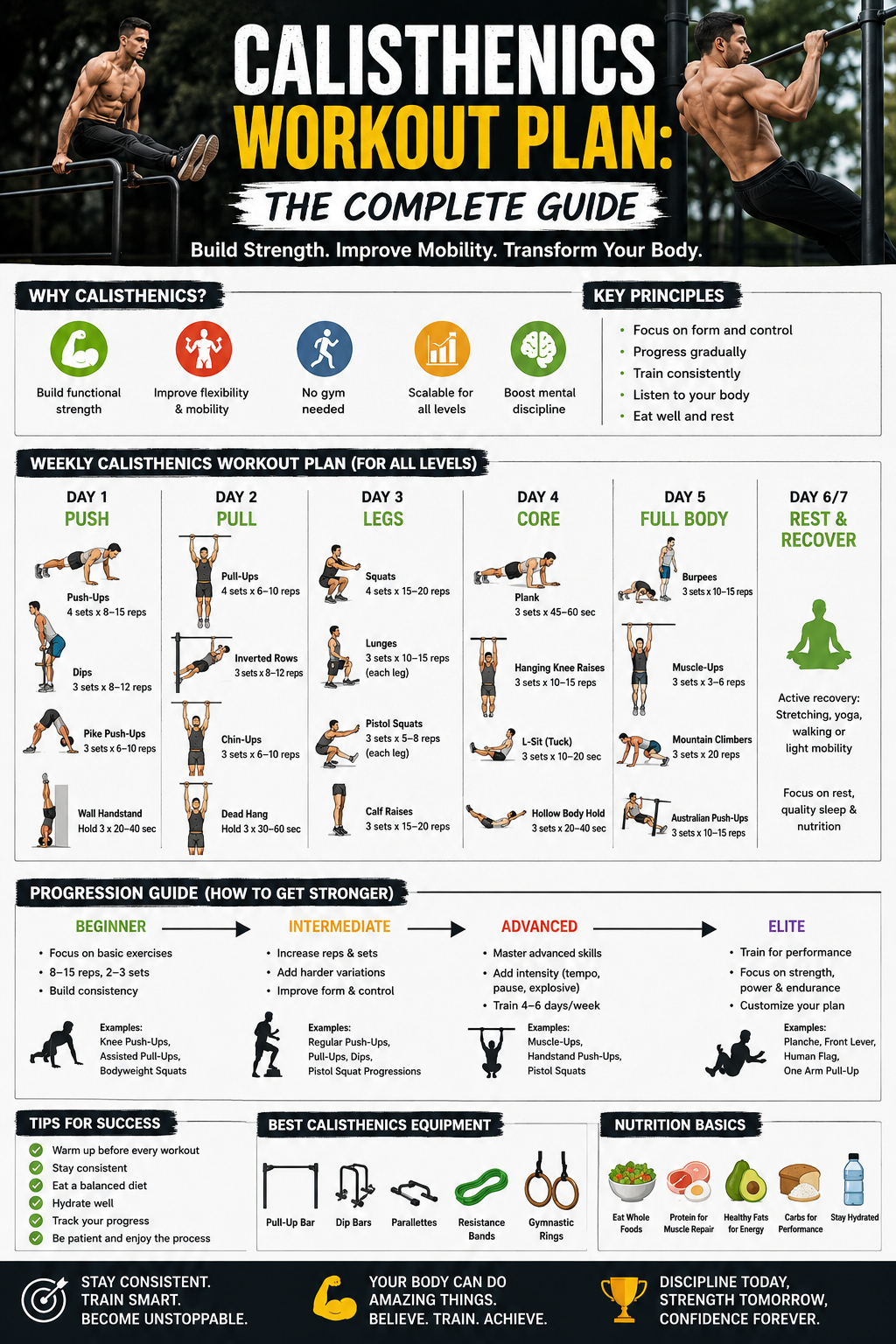
A well-designed calisthenics workout plan is one of the most effective ways to build strength, improve mobility, and develop lean muscle using your own body weight. Unlike traditional weightlifting, calisthenics emphasizes natural movement patterns that enhance coordination, balance, flexibility, and functional fitness.
Whether your goal is to gain muscle, lose fat, improve athletic performance, or simply become healthier, calisthenics offers a flexible and affordable training method. You don’t need an expensive gym membership or advanced equipment—just consistency, proper technique, and a structured workout plan.
One of the biggest advantages of calisthenics is its scalability. Beginners can start with basic exercises like push-ups and bodyweight squats, while advanced athletes can progress to challenging skills such as muscle-ups, handstand push-ups, and front levers.
This comprehensive guide will teach you everything you need to know about creating the perfect calisthenics workout plan. You’ll learn the best exercises, weekly training schedules, progression strategies, nutrition tips, and recovery methods to maximize your results.
What Is a Calisthenics Workout Plan?
A calisthenics workout plan is a structured fitness program that uses bodyweight exercises to build strength, endurance, flexibility, and muscle without relying on traditional gym equipment.
The word calisthenics comes from the Greek words “kallos” (beauty) and “sthenos” (strength), reflecting the goal of developing both a strong and well-balanced physique.
Instead of lifting barbells or dumbbells, calisthenics focuses on mastering your own body weight through movements such as:
- Push-Ups
- Pull-Ups
- Chin-Ups
- Dips
- Squats
- Lunges
- Planks
- Leg Raises
- Mountain Climbers
- Burpees
As you become stronger, you can progress to more advanced skills, including:
- Handstands
- Muscle-Ups
- Front Lever
- Back Lever
- Human Flag
- Planche
- Pistol Squats
The beauty of calisthenics lies in its versatility. Whether you train at home, in a park, or at a gym, you can adapt your workouts to match your fitness level and goals.
How Calisthenics Works
Calisthenics improves your fitness by challenging multiple muscle groups simultaneously through compound bodyweight movements. Each exercise requires your muscles to work together while your core stabilizes your body, resulting in greater functional strength and coordination.
As your body adapts to these exercises, you gradually increase the difficulty using the principle of progressive overload. This can be achieved by:
- Performing more repetitions
- Increasing the number of sets
- Slowing down each repetition
- Reducing rest periods
- Advancing to more challenging exercise variations
- Using weighted vests or resistance bands
For example, a beginner might start with wall push-ups, progress to knee push-ups, then standard push-ups, decline push-ups, and eventually one-arm push-ups.
This gradual progression ensures continuous improvements in strength, endurance, and muscle development while minimizing the risk of injury.
Benefits of a Calisthenics Workout Plan
Calisthenics offers far more than muscle growth. It develops a strong, balanced body capable of performing everyday movements with greater ease and efficiency.
1. Builds Functional Strength
Unlike isolated machine exercises, calisthenics trains your body to move naturally. This improves strength that transfers directly to daily activities and sports performance.
2. Requires Minimal Equipment
Most calisthenics workouts require little more than your body weight. A pull-up bar and resistance bands can expand your exercise options, but many effective routines need no equipment at all.
3. Improves Muscle Endurance
Bodyweight exercises performed with higher repetitions increase muscular endurance, allowing you to perform physical tasks for longer without fatigue.
4. Enhances Mobility and Flexibility
Many calisthenics movements use a full range of motion, helping improve joint health, flexibility, and overall mobility.
5. Strengthens Core Stability
Almost every calisthenics exercise engages your core muscles to stabilize your body, resulting in better posture, balance, and injury prevention.
6. Supports Fat Loss
Because calisthenics often involves compound movements that recruit multiple muscle groups, it burns a significant number of calories while preserving lean muscle mass.
7. Improves Athletic Performance
Athletes benefit from improved coordination, agility, balance, and explosive power developed through bodyweight training.
8. Saves Money
You don’t need expensive gym memberships or costly equipment. Many workouts can be completed in your living room, backyard, or local park.
9. Suitable for All Fitness Levels
Beginners can start with simple modifications, while advanced athletes can challenge themselves with complex bodyweight skills and progressions.
10. Promotes Long-Term Consistency
Because calisthenics is accessible and adaptable, it’s easier to maintain as a lifelong fitness routine, making it an excellent choice for sustainable health and strength.
Muscles Worked in Calisthenics
One of the greatest advantages of following a calisthenics workout plan is that most exercises engage multiple muscle groups simultaneously. This not only improves strength but also enhances coordination, balance, and overall athletic performance.
Below are the primary muscles targeted during calisthenics training:
Chest (Pectorals)
Exercises such as push-ups, dips, and decline push-ups strengthen and develop the chest muscles while improving upper-body pushing power.
Back (Latissimus Dorsi & Trapezius)
Pull-ups, chin-ups, inverted rows, and Australian pull-ups build a stronger, wider back and improve posture.
Shoulders (Deltoids)
Pike push-ups, handstand push-ups, and dips target the front, side, and rear deltoids, helping create broader and more defined shoulders.
Arms
Bodyweight exercises effectively train both the biceps and triceps.
Best Biceps Exercises
- Chin-Ups
- Commando Pull-Ups
- Towel Pull-Ups
Best Triceps Exercises
- Dips
- Diamond Push-Ups
- Bench Dips
Core
Almost every calisthenics exercise requires core stabilization.
Popular core movements include:
- Plank
- Hanging Leg Raise
- Hollow Body Hold
- Mountain Climbers
- L-Sit
Legs
Bodyweight leg exercises build strength, endurance, and mobility.
Common lower-body exercises include:
- Bodyweight Squats
- Walking Lunges
- Bulgarian Split Squats
- Jump Squats
- Pistol Squats
- Glute Bridges
- Calf Raises
Essential Equipment for Calisthenics
Although calisthenics can be performed with no equipment, a few inexpensive tools can significantly expand your exercise options.
Pull-Up Bar
A sturdy pull-up bar is one of the most valuable pieces of equipment for building upper-body strength.
It allows you to perform:
- Pull-Ups
- Chin-Ups
- Hanging Knee Raises
- Hanging Leg Raises
- Toes-to-Bar
Parallel Bars or Dip Bars
Dip bars are excellent for:
- Dips
- L-Sits
- Australian Rows
- Support Holds
Resistance Bands
Resistance bands help beginners perform assisted pull-ups and dips while also adding resistance to various bodyweight exercises.
Gymnastics Rings
Gymnastic rings increase exercise difficulty by requiring greater stabilization.
Popular ring exercises include:
- Ring Push-Ups
- Ring Dips
- Ring Rows
- Ring Muscle-Ups
Exercise Mat
A comfortable exercise mat protects your joints during floor-based exercises like planks, mountain climbers, and stretching routines.
Best Calisthenics Exercises
Choosing the right exercises is essential for building strength, muscle, endurance, and body control.
1. Push-Ups
Push-ups are the foundation of upper-body calisthenics training.
Muscles Worked
- Chest
- Shoulders
- Triceps
- Core
Sets: 3–4
Reps: 10–20
- Pull-Ups
Pull-ups are one of the most effective exercises for developing upper-body pulling strength.
Muscles Worked
- Lats
- Biceps
- Upper Back
- Forearms
Sets: 3–5
Reps: 5–12
- Chin-Ups
Using an underhand grip increases bicep activation while still heavily training the back.
Sets: 3
Reps: 6–12
- Bodyweight Squats
Bodyweight squats strengthen the legs while improving mobility and balance.
Muscles Worked
- Quadriceps
- Hamstrings
- Glutes
- Calves
Sets: 4
Reps: 15–20
- Walking Lunges
Lunges improve single-leg strength and correct muscular imbalances.
Sets: 3
Reps: 12 per leg
- Dips
Dips are one of the best upper-body pushing exercises.
Primary Muscles
- Chest
- Triceps
- Shoulders
Sets: 3
Reps: 8–15
- Pike Push-Ups
Pike push-ups are an excellent progression toward handstand push-ups.
Sets: 3
Reps: 8–12
- Hanging Leg Raises
One of the best bodyweight exercises for strengthening the abdominal muscles.
Sets: 3
Reps: 10–15
- Plank
Planks improve core stability and posture.
Duration
30–60 seconds
Repeat for 3 rounds.
- Burpees
Burpees combine strength and cardiovascular conditioning into one highly effective exercise.
Sets: 3
Reps: 10–15
Beginner Calisthenics Workout Plan
If you’re just starting, focus on learning proper technique and building a solid foundation of strength.
| Exercise | Sets | Reps |
| Push-Ups | 3 | 10 |
| Bodyweight Squats | 3 | 15 |
| Assisted Pull-Ups | 3 | 6 |
| Walking Lunges | 3 | 10 per leg |
| Plank | 3 | 30 sec |
Perform this workout three times per week with at least one rest day between sessions.
Intermediate Calisthenics Workout Plan
Once you can comfortably perform standard push-ups and pull-ups, increase both training volume and exercise difficulty.
| Exercise | Sets | Reps |
| Pull-Ups | 4 | 8 |
| Dips | 4 | 10 |
| Pike Push-Ups | 4 | 10 |
| Bulgarian Split Squats | 3 | 12 |
| Hanging Leg Raises | 3 | 12 |
| Burpees | 3 | 15 |
Train four days each week while focusing on progressive overload.
Advanced Calisthenics Workout Plan
Advanced athletes should prioritize skill development alongside strength training.
| Exercise | Sets | Reps |
| Muscle-Ups | 5 | 5 |
| Handstand Push-Ups | 4 | 8 |
| Archer Pull-Ups | 4 | 8 |
| Pistol Squats | 4 | 10 |
| Front Lever Holds | 4 | 20 sec |
| L-Sit Holds | 4 | 30 sec |
This routine challenges strength, stability, balance, and body control, making it ideal for experienced calisthenics practitioners looking to master advanced skills.
A structured weekly routine helps you train consistently while giving your muscles enough time to recover.
| Day | Workout |
| Monday | Upper Body Strength |
| Tuesday | Lower Body & Core |
| Wednesday | Active Recovery & Mobility |
| Thursday | Full-Body Calisthenics |
| Friday | Upper Body Skill Training |
| Saturday | Lower Body Strength & Conditioning |
| Sunday | Rest or Light Stretching |
This schedule balances strength training, endurance, mobility, and recovery for steady progress.
Full-Body Calisthenics Workout
A full-body workout is ideal for beginners or anyone with limited training days.
| Exercise | Sets | Reps |
| Push-Ups | 3 | 12 |
| Pull-Ups | 3 | 8 |
| Bodyweight Squats | 3 | 20 |
| Walking Lunges | 3 | 12 per leg |
| Dips | 3 | 10 |
| Plank | 3 | 45 sec |
Workout Duration: 45–60 minutes
Upper-Body Calisthenics Workout
Develop your chest, shoulders, back, and arms with this focused upper-body routine.
| Exercise | Sets | Reps |
| Pull-Ups | 4 | 8 |
| Push-Ups | 4 | 15 |
| Dips | 3 | 12 |
| Pike Push-Ups | 3 | 10 |
| Chin-Ups | 3 | 8 |
| Hanging Knee Raises | 3 | 15 |
Lower-Body Calisthenics Workout
Strengthen your legs while improving balance and mobility.
| Exercise | Sets | Reps |
| Bodyweight Squats | 4 | 20 |
| Bulgarian Split Squats | 3 | 12 |
| Walking Lunges | 3 | 15 |
| Glute Bridges | 3 | 20 |
| Calf Raises | 4 | 25 |
| Jump Squats | 3 | 12 |
Core Calisthenics Workout
A strong core supports every movement in calisthenics and reduces the risk of injury.
| Exercise | Sets | Time/Reps |
| Plank | 3 | 60 sec |
| Side Plank | 3 | 30 sec each side |
| Hanging Leg Raises | 3 | 12 |
| Hollow Body Hold | 3 | 30 sec |
| Mountain Climbers | 3 | 30 sec |
| Russian Twists | 3 | 20 |
Home Calisthenics Workout Plan (No Equipment)
No gym? No problem. This routine requires only your body weight.
| Exercise | Sets | Reps |
| Push-Ups | 4 | 15 |
| Air Squats | 4 | 20 |
| Reverse Lunges | 3 | 12 per leg |
| Pike Push-Ups | 3 | 10 |
| Glute Bridges | 3 | 20 |
| Plank | 3 | 45 sec |
| Burpees | 3 | 12 |
Train this routine three to four times each week for excellent results.
Progressive Overload in Calisthenics
Progressive overload is the key to continuous improvement. As your body adapts, you must gradually increase the challenge.
Ways to Progress
- Increase repetitions.
- Add more sets.
- Reduce rest periods.
- Slow down the lowering phase (eccentric).
- Progress to harder exercise variations.
- Use a weighted vest or resistance bands.
Example Push-Up Progression
- Wall Push-Ups
- Incline Push-Ups
- Knee Push-Ups
- Standard Push-Ups
- Decline Push-Ups
- Diamond Push-Ups
- Archer Push-Ups
- One-Arm Push-Up
Small, consistent improvements lead to significant long-term gains.
Common Calisthenics Mistakes
Avoid these common errors to maximize your progress.
Skipping Warm-Ups
Always prepare your muscles and joints before training.
Poor Exercise Technique
Quality repetitions are more effective than high repetition counts with poor form.
Ignoring Recovery
Rest is when your muscles repair and grow stronger.
Training the Same Muscles Every Day
Allow at least 48 hours of recovery before training the same muscle group intensely.
Not Following Progressive Overload
Repeating the same workout indefinitely leads to plateaus.
Warm-Up Before a Calisthenics Workout
Spend 5–10 minutes warming up to improve performance and reduce injury risk.
Dynamic Warm-Up Routine
- Jumping Jacks – 2 minutes
- Arm Circles – 20 forward and backward
- Hip Circles – 15 each direction
- Leg Swings – 15 per leg
- High Knees – 30 seconds
- Shoulder Rolls – 20 repetitions
- Wrist Mobility Exercises – 1 minute
Finish with one light set of each major exercise before starting your workout.
Nutrition Tips for Better Results
Nutrition plays a major role in muscle growth, recovery, and overall performance.
Eat Enough Protein
Aim for 1.6–2.2 grams of protein per kilogram of body weight each day.
Great protein sources include:
- Chicken breast
- Fish
- Eggs
- Greek yogurt
- Cottage cheese
- Lentils
- Beans
- Tofu
Choose Complex Carbohydrates
Carbohydrates provide the energy needed for intense workouts.
Examples:
- Brown rice
- Oats
- Sweet potatoes
- Whole-grain bread
- Fruits
Include Healthy Fats
Healthy fats support hormone production and overall health.
Examples:
- Avocados
- Olive oil
- Almonds
- Walnuts
- Salmon
Stay Hydrated
Drink plenty of water throughout the day, especially before, during, and after exercise.
Recovery and Rest Days
Recovery is just as important as training.
Prioritize Sleep
Aim for 7–9 hours of quality sleep each night.
Stretch Regularly
Light stretching after workouts helps maintain flexibility and reduce muscle tightness.
Take Rest Days
One or two rest days each week allow your body to recover and adapt.
Manage Stress
High stress levels can interfere with recovery and performance. Activities like walking, yoga, or meditation can help.
Calisthenics vs Weight Training
| Calisthenics | Weight Training |
| Uses body weight | Uses external weights |
| Improves body control | Easier to isolate muscles |
| Requires minimal equipment | Requires gym equipment |
| Builds functional strength | Builds maximum strength efficiently |
| Excellent for mobility | Excellent for progressive loading |
| Ideal for home workouts | Ideal for focused hypertrophy |
Both methods are effective. Many athletes combine calisthenics and weight training for balanced strength, muscle growth, and athletic performance.
Frequently Asked Questions (FAQs)
Is calisthenics good for beginners?
Yes. Beginners can start with simple exercises like push-ups, squats, and planks before progressing to more advanced movements.
How many days per week should I do calisthenics?
Three to five sessions per week are ideal for most people.
Can I build muscle with calisthenics?
Absolutely. Progressive overload, proper nutrition, and consistency can help you build significant muscle using bodyweight exercises.
Do I need a gym for calisthenics?
No. Most exercises can be performed at home or in a local park with little or no equipment.
How long does it take to see results?
Most beginners notice improvements in strength and endurance within four to eight weeks when training consistently.
Is calisthenics better than weightlifting?
Neither is universally better. Calisthenics excels at developing functional strength, mobility, and body control, while weightlifting is often more efficient for maximizing muscle size and absolute strength.
Conclusion
A well-planned calisthenics workout plan is one of the most effective ways to build strength, increase endurance, improve flexibility, and develop lean muscle using your own body weight. Whether you’re training at home, outdoors, or in a gym, calisthenics offers a versatile and sustainable approach to fitness.
Start with exercises that match your current ability, focus on proper technique, and apply progressive overload as you improve. Pair your workouts with balanced nutrition, adequate hydration, and quality sleep to maximize your results.
Fitness is a long-term journey, and consistency is your greatest advantage. Commit to your training, celebrate small improvements, and keep challenging yourself. With patience and dedication, you’ll develop a stronger, healthier, and more capable body through calisthenics.
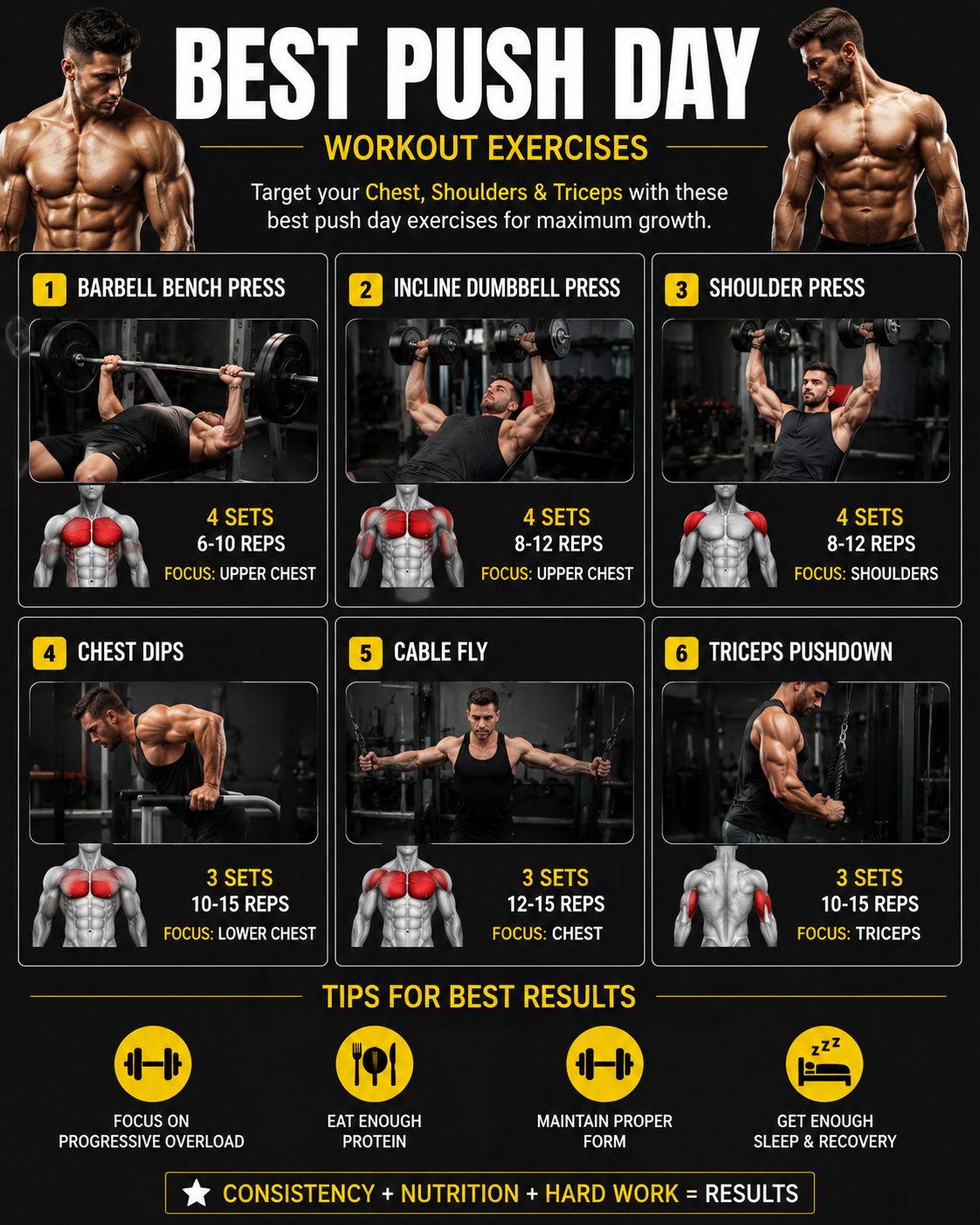
A successful push day workout revolves around compound exercises that allow you to lift heavier weights while engaging multiple muscle groups. These movements should form the foundation of your training because they build strength, increase muscle mass, and improve overall athletic performance.
Once the major compound lifts are complete, isolation exercises can be added to target specific muscles, improve symmetry, and maximize muscle growth.
The barbell bench press is considered the king of push exercises. It primarily targets the chest while heavily recruiting the shoulders and triceps.
Primary Muscles Worked
- Pectoralis Major
- Anterior Deltoids
- Triceps Brachii
How to Perform
- Lie flat on the bench with your feet firmly planted.
- Grip the bar slightly wider than shoulder-width.
- Lower the bar slowly until it touches your mid-chest.
- Press the weight upward while squeezing your chest.
Recommended Sets & Reps
| Goal | Sets | Reps |
| Strength | 4-5 | 4-6 |
| Muscle Growth | 3-4 | 8-12 |
| Endurance | 2-3 | 15-20 |
Pro Tip: Keep your shoulder blades pulled together throughout the movement to protect your shoulders and generate more power.
- Incline Dumbbell Press
The incline dumbbell press shifts the focus toward the upper chest while allowing a greater range of motion than the traditional barbell press.
Benefits
- Builds the upper chest.
- Improves shoulder stability.
- Corrects muscle imbalances.
- Increases overall chest development.
Sets: 3-4
Reps: 8-12
- Standing Overhead Press
The overhead press is one of the most effective shoulder-building exercises while also strengthening the triceps and upper chest.
Why It Matters
Unlike machine presses, standing overhead presses engage your core, lower back, and stabilizing muscles, making it one of the best full-body pressing movements.
Tips
- Brace your core before lifting.
- Press the bar in a straight line.
- Avoid leaning backward excessively.
Sets: 3-4
Reps: 6-10
- Dumbbell Shoulder Press
If your goal is balanced shoulder development, dumbbell presses deserve a permanent place in your push day workout.
They allow each arm to work independently, reducing muscular imbalances while increasing shoulder stability.
Advantages
- Greater range of motion
- Better muscle activation
- Improved shoulder health
- Lower injury risk
Sets: 3
Reps: 10-12
- Lateral Raises
No push day is complete without direct side delt training.
Lateral raises help create wider shoulders, giving your upper body the coveted V-taper appearance.
Execution Tips
- Lift with your elbows instead of your hands.
- Raise until your arms are parallel to the floor.
- Lower the weight under control.
Sets: 3-4
Reps: 12-20
- Chest Dips
Chest dips are an advanced bodyweight exercise that builds both strength and muscle.
Leaning slightly forward shifts the emphasis toward the chest, while remaining upright targets the triceps more heavily.
Benefits
- Excellent lower chest activation
- Builds pressing strength
- Improves shoulder stability
- Great for progressive overload
Sets: 3
Reps: 8-15
- Cable Chest Fly
After heavy pressing, cable flyes isolate the chest and provide constant tension throughout the movement.
Unlike dumbbells, cables keep resistance on the muscles during the entire range of motion.
Tips
- Keep a slight bend in your elbows.
- Focus on squeezing your chest.
- Avoid using momentum.
Sets: 3
Reps: 12-15
- Triceps Rope Pushdown
Your triceps make up nearly two-thirds of your upper arm size, making direct triceps work essential for bigger arms.
The rope attachment allows a greater contraction at the bottom of the movement.
Benefits
- Builds all three tricep heads
- Improves lockout strength
- Increases arm definition
Sets: 3-4
Reps: 10-15
- Skull Crushers
Skull crushers place significant tension on the long head of the triceps, which contributes most to overall arm thickness.
Perform the exercise slowly and avoid locking your elbows aggressively.
Sets: 3
Reps: 8-12
- Close-Grip Bench Press
Finish your workout with a compound triceps movement that also develops chest and pressing power.
A narrower grip places more emphasis on the triceps while still engaging the chest.
Sets: 3
Reps: 6-10
Complete Beginner Push Day Workout
If you’re new to strength training, start with manageable volume and focus on mastering proper technique.
| Exercise | Sets | Reps | Rest |
| Barbell Bench Press | 3 | 8-10 | 90 sec |
| Incline Dumbbell Press | 3 | 10-12 | 60 sec |
| Seated Dumbbell Shoulder Press | 3 | 10 | 60 sec |
| Dumbbell Lateral Raise | 3 | 15 | 45 sec |
| Rope Triceps Pushdown | 3 | 12-15 | 45 sec |
Workout Duration: 50–60 minutes
Difficulty: Beginner
Goal: Learn movement patterns while building a solid strength foundation.
Intermediate Push Day Workout
Once you’ve developed consistent lifting experience, increase both volume and intensity to stimulate further muscle growth.
| Exercise | Sets | Reps |
| Bench Press | 4 | 6-8 |
| Incline Dumbbell Press | 4 | 8-10 |
| Standing Overhead Press | 4 | 8 |
| Cable Fly | 3 | 12 |
| Dumbbell Lateral Raise | 4 | 15 |
| Skull Crushers | 3 | 10-12 |
| Rope Pushdowns | 3 | 12-15 |
Training Time: Approximately 70 minutes.
This routine provides the right balance of heavy compound lifts and targeted isolation work, making it ideal for consistent muscle growth and improved upper-body strength.
The foundation of an effective push day workout is selecting exercises that maximize muscle activation while allowing progressive overload. Start your session with compound movements that recruit multiple muscle groups, then finish with isolation exercises to fully fatigue the chest, shoulders, and triceps.
1. Barbell Bench Press
The barbell bench press is the cornerstone of almost every push day routine. It develops upper-body strength while adding size to your chest, shoulders, and triceps.
Muscles Worked
- Chest
- Front deltoids
- Triceps
Sets: 4
Reps: 6–8
Rest: 2–3 minutes
Pro Tip: Retract your shoulder blades and keep your feet firmly planted throughout the movement.
- Incline Dumbbell Press
Incline pressing targets the upper chest, helping create a fuller and more balanced physique.
- Builds the upper chest
- Improves shoulder stability
- Increases range of motion
- Corrects muscle imbalances
Sets: 3
Reps: 8–12
- Standing Barbell Overhead Press
This compound movement is one of the best exercises for building strong, rounded shoulders.
Why Include It?
- Strengthens all pressing muscles
- Improves shoulder stability
- Builds functional strength
- Activates the core
Sets: 3–4
Reps: 6–10
- Seated Dumbbell Shoulder Press
The seated version minimizes momentum and places more tension directly on the shoulders.
Sets: 3
Reps: 10–12
- Dumbbell Lateral Raises
Lateral raises isolate the side deltoids, helping you build wider shoulders and improve upper-body aesthetics.
Hints
- Lift slowly.
- Keep a slight bend in your elbows.
- Avoid swinging the weights.
Sets: 3–4
Reps: 12–20
- Cable Chest Fly
Cable flyes provide constant tension throughout the movement, making them an excellent finishing exercise for chest development.
Sets: 3
Reps: 12–15
- Chest Dips
Chest dips are an advanced bodyweight movement that effectively targets the lower chest while also engaging the triceps.
Sets: 3
Reps: 8–12
- Rope Triceps Pushdown
Strong triceps improve pressing performance and contribute significantly to overall arm size.
Sets: 3
Reps: 10–15
- Overhead Dumbbell Triceps Extension
This exercise emphasizes the long head of the triceps, promoting balanced arm development.
Sets: 3
Reps: 10–12
- Close-Grip Bench Press
Finish your workout with a heavy compound exercise that primarily targets the triceps while still engaging the chest.
Sets: 3
Reps: 6–10
Complete Beginner Push Day Workout
If you’re new to resistance training, focus on mastering proper form before increasing the weight. Consistency and technique matter more than lifting heavy.
| Exercise | Sets | Reps | Rest |
| Bench Press | 3 | 8–10 | 90 sec |
| Incline Dumbbell Press | 3 | 10–12 | 60 sec |
| Seated Dumbbell Shoulder Press | 3 | 10 | 60 sec |
| Lateral Raises | 3 | 15 | 45 sec |
| Rope Pushdowns | 3 | 12–15 | 45 sec |
Workout Time: 50–60 minutes
Training Frequency: 1–2 push sessions per week
Intermediate Push Day Workout
Once you’ve built a solid foundation, increase both training volume and intensity.
| Exercise | Sets | Reps |
| Bench Press | 4 | 6–8 |
| Incline Dumbbell Press | 4 | 8–10 |
| Standing Overhead Press | 4 | 8 |
| Cable Chest Fly | 3 | 12 |
| Dumbbell Lateral Raise | 4 | 15 |
| Skull Crushers | 3 | 10–12 |
| Rope Pushdowns | 3 | 12–15 |
Workout Duration: 65–75 minutes
Focus on gradually increasing weight while maintaining proper technique.
Advanced Push Day Workout
Advanced lifters require higher training volume and intensity to continue building muscle and strength.
| Exercise | Sets | Reps |
| Heavy Bench Press | 5 | 4–6 |
| Incline Barbell Press | 4 | 6–8 |
| Standing Military Press | 4 | 6–8 |
| Weighted Chest Dips | 4 | 8–10 |
| Cable Fly | 4 | 12–15 |
| Heavy Lateral Raise | 4 | 15 |
| Close-Grip Bench Press | 3 | 8 |
| Overhead Triceps Extension | 3 | 12 |
Home Push Day Workout
You don’t need an expensive gym membership to build a strong upper body. A well-designed home push workout can produce excellent results using bodyweight or minimal equipment.
Home Workout Routine
| Exercise | Sets | Reps |
| Standard Push-Ups | 4 | 15–20 |
| Decline Push-Ups | 3 | 12–15 |
| Pike Push-Ups | 3 | 10–15 |
| Chair Dips | 3 | 12–15 |
| Diamond Push-Ups | 3 | 10–12 |
| Resistance Band Chest Press | 3 | 15 |
This routine effectively trains the chest, shoulders, and triceps with little to no equipment.
Dumbbell Push Day Workout
Dumbbells offer greater freedom of movement and help improve muscular balance by training each side independently.
| Exercise | Sets | Reps |
| Dumbbell Bench Press | 4 | 8–10 |
| Incline Dumbbell Press | 3 | 10 |
| Arnold Press | 3 | 10 |
| Dumbbell Fly | 3 | 12 |
| Lateral Raises | 3 | 15 |
| Overhead Dumbbell Triceps Extension | 3 | 12 |
This workout is ideal for home gyms or commercial gyms with limited equipment.
Machine Push Day Workout
Machines are excellent for beginners, rehabilitation, or anyone looking to isolate muscles while minimizing joint stress.
| Exercise | Sets | Reps |
| Machine Chest Press | 4 | 10 |
| Incline Chest Press Machine | 3 | 10 |
| Shoulder Press Machine | 3 | 10 |
| Pec Deck Fly | 3 | 12–15 |
| Lateral Raise Machine | 3 | 15 |
| Triceps Pushdown Machine | 3 | 12 |
| Assisted Dip Machine | 3 | 10 |
Machine-based workouts allow you to train safely while maintaining constant muscle tension, making them an excellent option for hypertrophy-focused training.
Progressive Overload Guide
If you want consistent muscle growth and strength gains, progressive overload is essential. Progressive overload means gradually increasing the demands placed on your muscles over time. Without it, your body adapts and stops growing.
Ways to Apply Progressive Overload
1. Increase Weight
The most common method is adding more weight to the bar or machine.
Example:
- Week 1: Bench Press – 135 lbs × 8 reps
- Week 2: Bench Press – 140 lbs × 8 reps
2. Increase Repetitions
If you cannot increase the weight, perform more repetitions with the same weight.
3. Increase Sets
Adding an extra set can increase training volume and stimulate growth.
4. Improve Technique
Better form improves muscle activation and training efficiency.
5. Reduce Rest Time
Shorter rest periods increase workout intensity and muscular endurance.
Sample Progression Plan
| Week | Bench Press |
| 1 | 3 × 8 @ 135 lbs |
| 2 | 3 × 9 @ 135 lbs |
| 3 | 3 × 10 @ 135 lbs |
| 4 | 3 × 8 @ 140 lbs |
Consistency with progressive overload is one of the biggest factors separating successful lifters from those who struggle to make progress.
Common Push Day Mistakes
Many lifters spend years training without seeing optimal results because they repeatedly make avoidable mistakes.
1. Using Too Much Weight
Heavy weights with poor form increase injury risk and reduce muscle activation.
Solution
Focus on controlled repetitions and proper technique.
- Neglecting Shoulder Training
Many people prioritize chest exercises while ignoring shoulder development.
Solution
Include overhead presses and lateral raises in every push workout.
- Skipping Triceps Work
Strong triceps are essential for bigger arms and stronger pressing movements.
Solution
Include at least two direct triceps exercises each workout.
- Training With Poor Range of Motion
Partial reps limit muscle development.
Solution
Perform each exercise through a full range of motion whenever possible.
- Ignoring Recovery
Muscles grow during recovery, not while you’re training.
Solution
Prioritize sleep, nutrition, hydration, and rest days.
Warm-Up Routine Before Push Day
A proper warm-up improves performance and reduces injury risk.
5-Minute Cardio
Choose one:
- Treadmill walk
- Rowing machine
- Stationary bike
- Jump rope
Dynamic Mobility Routine
Arm Circles
- 20 forward
- 20 backward
Shoulder Rotations
- 15 repetitions
Band Pull-Aparts
- 2 sets × 15 reps
Scapular Push-Ups
- 2 sets × 10 reps
Warm-Up Sets
Before your first heavy exercise:
- Empty Bar × 15 reps
- 50% Working Weight × 10 reps
- 70% Working Weight × 5 reps
This prepares your muscles and nervous system for heavy lifting.
Nutrition for Maximum Muscle Growth
Even the best push day workout won’t deliver optimal results if your nutrition is poor.
Prioritize Protein
Protein provides the building blocks for muscle repair and growth.
Best Protein Sources
- Chicken breast
- Turkey
- Lean beef
- Fish
- Eggs
- Greek yogurt
- Cottage cheese
- Whey protein
Daily Recommendation
Consume approximately:
0.7–1 gram of protein per pound of body weight
Eat Enough Calories
Muscle growth requires energy.
For Muscle Gain
Aim for a calorie surplus of:
250–500 calories above maintenance
For Fat Loss
Maintain a moderate calorie deficit while keeping protein intake high.
Don’t Fear Carbohydrates
Carbs fuel intense workouts and improve recovery.
Quality Carb Sources
- Oatmeal
- Rice
- Potatoes
- Sweet potatoes
- Fruits
- Whole grains
Healthy Fats Matter
Healthy fats support hormone production and overall health.
Good Sources
- Avocados
- Nuts
- Olive oil
- Salmon
- Nut butters
Recovery Tips After Push Day
Recovery determines how quickly your body repairs and grows stronger.
Get Enough Sleep
Sleep is the most powerful recovery tool available.
Recommendation
- 7–9 hours per night
Stay Hydrated
Dehydration negatively affects strength, performance, and recovery.
Daily Target
- 3–4 liters of water
Stretch After Training
Post-workout stretching may improve flexibility and reduce muscle tightness.
Focus On
- Chest stretches
- Shoulder stretches
- Triceps stretches
Manage Stress
Chronic stress can interfere with muscle recovery and performance.
Try:
- Walking
- Meditation
- Deep breathing
- Light recreational activity
Weekly Push Pull Legs (PPL) Split
The Push Pull Legs split is one of the most effective workout structures for building muscle.
3-Day PPL Routine
| Day | Workout |
| Monday | Push |
| Wednesday | Pull |
| Friday | Legs |
Perfect for beginners.
6-Day PPL Routine
| Day | Workout |
| Monday | Push |
| Tuesday | Pull |
| Wednesday | Legs |
| Thursday | Push |
| Friday | Pull |
| Saturday | Legs |
| Sunday | Rest |
Ideal for intermediate and advanced lifters seeking maximum muscle growth.
Frequently Asked Questions (FAQs)
Is a Push Day Workout Good for Beginners?
Yes. Push workouts are easy to learn and effectively build chest, shoulder, and tricep strength.
How Long Should a Push Day Workout Be?
Most workouts should last between 45 and 75 minutes depending on experience level and training volume.
How Many Exercises Should I Do on Push Day?
Typically, 5–8 exercises are enough to stimulate muscle growth without excessive fatigue.
Can I Do Push Day Twice Per Week?
Yes.
What’s Better: Dumbbells or Barbells?
Both are effective.
- Barbells allow heavier loads.
- Dumbbells improve balance and range of motion.
Combining both often delivers the best results.
Conclusion
A well-structured push day workout is one of the most effective ways to build a stronger chest, broader shoulders, and more powerful triceps. The key is consistency. Follow a proven workout plan, track your progress, challenge yourself gradually, and give your body the fuel and recovery it needs.
Start with the workout that matches your experience level, stay patient, and commit to the process. The results will follow.
Every year, millions of men silently battle stress, anxiety, depression, loneliness, and emotional pain. Many smile through their struggles, believing they must always appear strong, fearless, and in control. Yet behind those smiles, countless stories remain untold.
Men’s Mental Month is more than an awareness campaign it’s a powerful reminder that mental health matters just as much as physical health. It encourages men to speak openly, seek support, and prioritize emotional well-being without fear of judgment.
In a world where men are often expected to “tough it out,” this month reminds us that true strength lies in asking for help, expressing emotions, and taking care of our mental health.
What Is Men’s Mental Health Month?
Men’s Mental Health Month is observed every June to raise awareness about the unique health challenges men face. It aims to reduce stigma, encourage open conversations, and promote access to health resources and support.
The campaign focuses on educating communities about issues such as:
- Depression
- Anxiety
- Stress
- Substance abuse
- Suicide prevention
- Emotional well-being
- Healthy coping strategies
The goal is simple: to create a society where men feel safe discussing their emotions and seeking professional help when needed.
Why Men’s Mental Health Matters
Mental health affects every aspect of life, including relationships, careers, physical health, and overall happiness. Yet many men delay or avoid seeking help due to social expectations, fear of appearing weak, or concerns about being misunderstood.
Ignoring mental health struggles can lead to:
- Chronic stress
- Burnout
- Relationship difficulties
- Reduced productivity
- Physical health problems
- Substance misuse
- Increased risk of depression and anxiety
Prioritizing mental well-being helps men lead healthier, more fulfilling lives.
Common Mental Health Challenges Men Face
While everyone experiences emotional struggles, men often encounter unique pressures that can affect their mental health.
1. Workplace Stress
Long working hours, financial responsibilities, and career pressures can leave men feeling overwhelmed. Balancing professional demands with personal life is a common challenge.
2. Depression
Depression in men doesn’t always look like sadness. It may appear as irritability, anger, fatigue, loss of motivation, or withdrawing from loved ones.
Signs may include:
- Persistent low mood
- Loss of interest in hobbies
- Difficulty concentrating
- Changes in sleep or appetite
- Feelings of hopelessness
Recognizing these signs early can make a significant difference.
3. Anxiety
Anxiety can affect men of all ages and may present as constant worry, restlessness, racing thoughts, or physical symptoms like headaches and muscle tension.
4. Relationship Challenges
Family responsibilities, parenting, marriage, and relationship conflicts can create emotional strain. Healthy communication and support are essential during difficult times.
5. Social Isolation
Many men have small social circles and may struggle to talk openly about their feelings. Loneliness can have a serious impact on mental health if left unaddressed.
Why Many Men Don’t Ask for Help
One of the biggest barriers to mental wellness is stigma.
Many men grow up hearing phrases like:
- “Be strong.”
- “Don’t cry.”
- “Handle it yourself.”
- “Real men don’t show emotions.”
These messages can make it difficult to seek help, even when support is desperately needed.
The truth is, asking for help is a sign of courage, not weakness.
Warning Signs That Should Never Be Ignored
Recognizing the signs of emotional distress is the first step toward healing.
Watch for:
- Persistent sadness
- Extreme mood changes
- Withdrawal from friends and family
- Difficulty sleeping
- Loss of energy
- Increased anger or irritability
- Changes in eating habits
- Loss of interest in activities
- Difficulty concentrating
- Thoughts of self-harm or suicide
If these symptoms persist, seeking professional support is an important and responsible step.
Simple Ways Men Can Improve Their Mental Health
Improving mental health doesn’t always require dramatic changes. Small, consistent habits can make a meaningful difference.
Stay Physically Active
Exercise helps reduce stress, improve mood, and boost confidence. Even a daily walk can support mental well-being.
Prioritize Quality Sleep
Aim for 7–9 hours of sleep each night. Good sleep helps regulate emotions and improve focus.
Eat a Balanced Diet
Nutritious foods support brain health and stable energy levels. Include fruits, vegetables, whole grains, lean proteins, and healthy fats.
Talk to Someone You Trust
Opening up to a friend, family member, or counselor can ease emotional burdens and provide valuable support.
Practice Mindfulness
Meditation, deep breathing, journaling, or spending time in nature can help reduce stress and improve emotional resilience.
Limit Alcohol and Substance Use
Using alcohol or drugs to cope with emotions may provide temporary relief but can worsen mental health over time.
How Families and Friends Can Help
Supporting the men in your life starts with compassion and understanding.
You can help by:
- Listening without judgment
- Encouraging open conversations
- Checking in regularly
- Respecting their feelings
- Suggesting professional support when needed
- Spending quality time together
Sometimes, simply asking, “How are you really doing?” can make a world of difference.
The Importance of Professional Support
Therapists, counselors, psychologists, and other mental health professionals provide tools and guidance to help people manage emotional challenges.
Seeking professional help can:
- Improve coping skills
- Reduce symptoms of anxiety and depression
- Strengthen relationships
- Build confidence
- Enhance overall quality of life
There is no shame in reaching out for support. Everyone deserves the opportunity to heal and thrive.
How to Observe Men’s Mental Health Month
You can make a positive impact by:
- Learning about men’s mental health
- Sharing educational resources
- Encouraging honest conversations
- Supporting mental health organizations
- Checking in with friends and loved ones
- Practicing self-care
- Speaking openly about emotional well-being
Awareness begins with conversation, and conversation can save lives.
Frequently Asked Questions
When is Men’s Mental Health Month?
Men’s Mental Health Month is observed every June, highlighting the importance of mental well-being and encouraging men to seek support when needed.
Why is Men’s Mental Health Month important?
It raises awareness about mental health challenges, reduces stigma, and promotes early intervention, education, and access to care.
How can men improve their mental health?
Healthy habits such as regular exercise, quality sleep, balanced nutrition, meaningful social connections, stress management, and professional support can improve overall mental well-being.
Is asking for help a sign of weakness?
No. Seeking help demonstrates self-awareness, courage, and a commitment to improving your health and quality of life.
Final Thoughts
Behind every strong man is a heart that feels, a mind that carries burdens, and a life filled with responsibilities, hopes, and challenges. Strength is not measured by how much pain you can hide but by your willingness to face it with honesty.
Men’s Mental Health Month reminds us that no one should have to struggle alone. Whether you’re facing stress, anxiety, depression, or simply feeling overwhelmed, your emotions are valid, and your well-being matters.
If you’re reading this, remember: it’s okay to talk, it’s okay to ask for help, and it’s okay to prioritize yourself. Healing doesn’t happen overnight, but every conversation, every small step, and every act of self-care brings you closer to a healthier, happier life.
You are stronger than your struggles, and your story deserves hope, support, and understanding.
Conclusion
Men’s Mental Health Month is an opportunity to break harmful stereotypes, encourage open conversations, and remind every man that seeking help is a sign of strength. By prioritizing mental wellness, building supportive relationships, and embracing healthy coping strategies, men can improve not only their own lives but also the lives of those around them. Together, we can create a future where mental health is valued, respected, and openly discussed every day of the year.
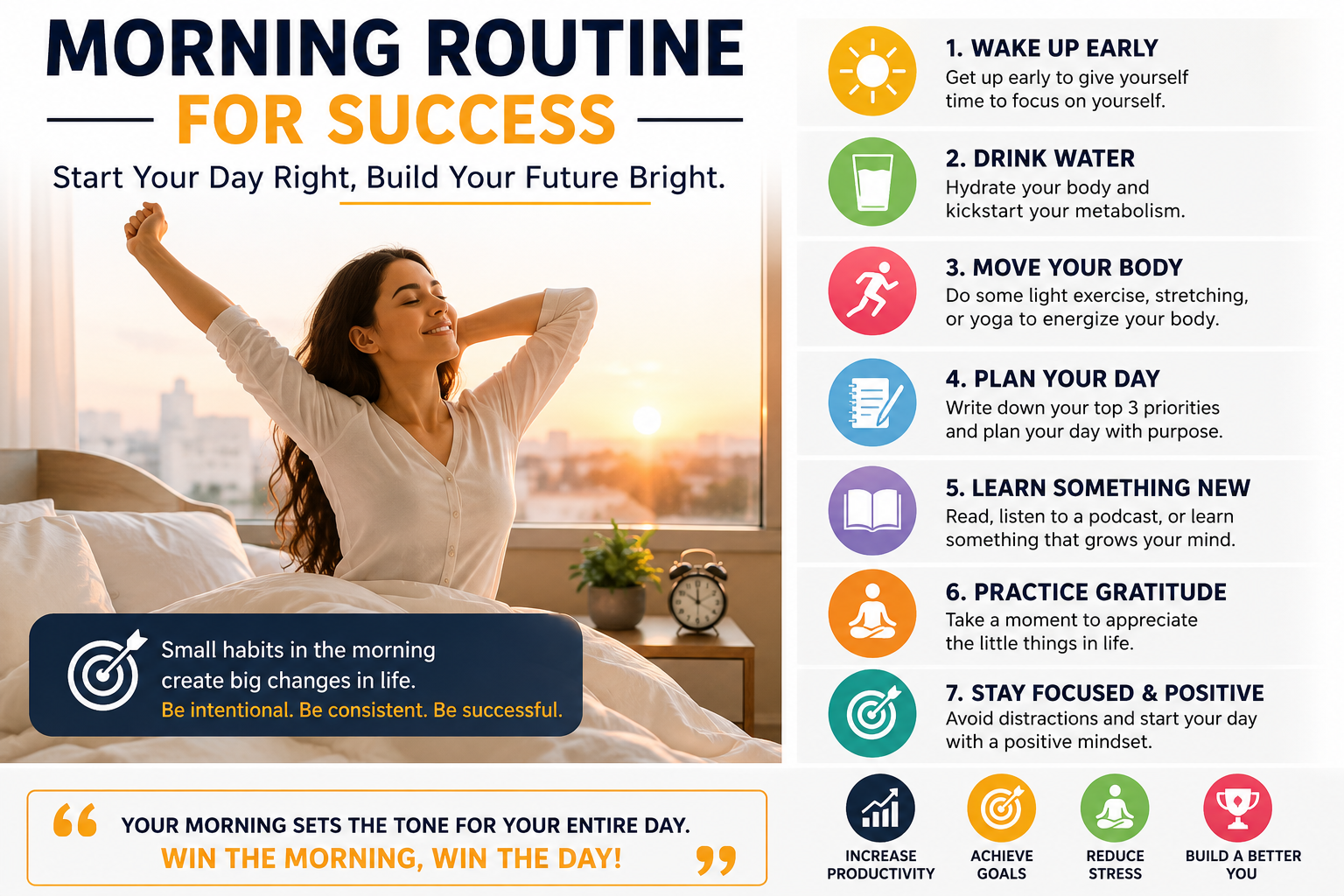
Every sunrise is a quiet reminder that life is giving you another chance. Another opportunity to dream bigger, work harder, and become a better version of yourself. Success doesn’t begin when you arrive at your destination—it begins the moment you open your eyes each morning.
The truth is, the way you spend the first hour of your day often determines how the rest of your day unfolds. A powerful morning routine for success isn’t about waking up at 4 AM or following someone else’s schedule. It’s about creating habits that energize your body, calm your mind, and prepare your heart for the challenges ahead.
Whether your goal is building a successful career, improving your health, growing your business, or simply finding more happiness, your mornings hold the key.
Why Your Morning Routine Matters
Your morning is the foundation of your day. If you begin your day feeling rushed, distracted, or overwhelmed, those emotions often follow you throughout the day.
On the other hand, when you wake up with purpose and intention, you gain control over your time instead of letting time control you.
A consistent morning routine helps you:
- Increase productivity
- Improve focus and concentration
- Boost physical energy
- Reduce stress and anxiety
- Build self-discipline
- Strengthen emotional resilience
- Develop healthy habits that last a lifetime
Success isn’t built in one extraordinary moment. It’s built through ordinary mornings repeated consistently.
1. Wake Up with Purpose
The moment your alarm rings, you have two choices: hit the snooze button or embrace the new day.
Successful people understand that every morning is a fresh beginning. Instead of seeing the alarm as an interruption, they see it as an invitation to grow.
You don’t have to wake up extremely early. What matters most is waking up consistently and giving yourself enough time to prepare without rushing.
Tips for Better Mornings
- Sleep 7–9 hours every night.
- Wake up at the same time daily.
- Avoid staying up late unnecessarily.
- Keep your phone away from your bed.
A peaceful morning begins the night before.
2. Start Your Day with Gratitude
Before checking notifications or thinking about your responsibilities, take a moment to appreciate what you already have.
Gratitude shifts your focus from what’s missing to what’s meaningful.
Write down three things you’re thankful for.
They could be:
- Your family
- Good health
- A supportive friend
- A new opportunity
- The simple gift of another day
When your heart is full of gratitude, your mind naturally becomes more positive.
3. Hydrate Your Body
After several hours of sleep, your body needs water more than coffee.
Drinking one or two glasses of water first thing in the morning helps:
- Wake up your metabolism
- Improve digestion
- Increase energy levels
- Support brain function
- Flush out toxins
Adding fresh lemon to your water can make it even more refreshing.
Healthy mornings begin with healthy hydration.
4. Move Your Body
Movement creates momentum.
You don’t need an expensive gym membership to feel strong and energized.
Spend 20–30 minutes doing activities such as:
- Stretching
- Walking
- Yoga
- Bodyweight exercises
- Light jogging
- Dancing
Exercise releases endorphins, often called the “feel-good hormones,” helping you face the day with confidence and optimism.
Remember, your body is your greatest investment. Treat it with care.
5. Feed Your Mind Before the World Does
Many people begin their mornings by scrolling through social media. Unfortunately, this fills the mind with distractions before it has a chance to focus.
Instead, spend your first few minutes learning something valuable.
Read:
- Personal development books
- Inspirational biographies
- Motivational articles
- Educational content
Even 10 minutes of learning every morning can change the direction of your life over time.
Knowledge grows quietly but transforms loudly.
6. Enjoy a Nutritious Breakfast
Your body deserves fuel that supports both your health and your goals.
A balanced breakfast keeps your energy stable throughout the morning.
Choose foods rich in:
- Protein
- Healthy fats
- Whole grains
- Fresh fruits
- Fiber
Healthy breakfast ideas include:
- Oatmeal with berries
- Eggs and whole-grain toast
- Greek yogurt with nuts
- Smoothies made with fruits and spinach
Avoid sugary breakfasts that lead to energy crashes later in the day.
7. Set Your Daily Goals
Without direction, even the busiest day can feel unproductive.
Take a few minutes each morning to write down your three most important tasks.
Ask yourself:
- What absolutely needs to get done today?
- What brings me closer to my long-term goals?
- What can I eliminate that doesn’t add value?
Clear goals reduce stress and improve productivity.
8. Practice Mindfulness
Life moves quickly, but your morning doesn’t have to.
Spend five to ten minutes in silence.
Practice:
- Deep breathing
- Meditation
- Prayer
- Quiet reflection
Mindfulness helps you remain calm even when life becomes chaotic.
Sometimes the greatest strength comes from simply slowing down.
9. Visualize Your Success
Every achievement begins as a thought.
Close your eyes for a few moments and imagine yourself achieving your biggest dreams.
Picture yourself:
- Reaching your fitness goals
- Building a successful business
- Speaking confidently
- Living a healthy lifestyle
- Creating financial freedom
Visualization strengthens belief, and belief fuels action.
10. Avoid Negative Inputs
Your morning mindset matters.
Avoid beginning the day with:
- Negative news
- Social media arguments
- Stressful emails
- Endless notifications
Protect your peace.
Fill your mind with hope, inspiration, and positivity instead.
11. Stay Consistent
The most successful people aren’t successful because they are perfect.
They succeed because they remain consistent.
Even if you only complete a few healthy habits every morning, repeating them daily creates powerful long-term results.
Small improvements every day eventually become extraordinary achievements.
12. Believe in Yourself
Perhaps the most important morning habit isn’t physical at all.
It’s believing that today has the potential to change your future.
Speak positive affirmations such as:
- I am capable.
- I am disciplined.
- I am growing every day.
- I can overcome challenges.
- My future is bright.
The words you repeat become the beliefs you live.
Never underestimate the power of believing in yourself.
Sample Morning Routine for Success
| Time | Activity |
|---|---|
| 6:00 AM | Wake up and drink water |
| 6:10 AM | Stretch or exercise |
| 6:30 AM | Meditation or prayer |
| 6:40 AM | Gratitude journaling |
| 6:50 AM | Read an inspiring book |
| 7:05 AM | Healthy breakfast |
| 7:20 AM | Plan daily goals |
| 7:30 AM | Begin your work with focus |
Common Mistakes That Ruin Your Morning
Avoid these habits if you want productive mornings:
- Hitting the snooze button repeatedly
- Skipping breakfast
- Staying up too late
- Starting the day with social media
- Ignoring exercise
- Forgetting to hydrate
- Beginning work without a plan
Every small habit matters.
Frequently Asked Questions
What is the best morning routine for success?
The best routine includes waking up consistently, drinking water, exercising, practicing gratitude, eating a healthy breakfast, setting daily goals, and limiting distractions.
How long should a morning routine be?
A morning routine can last anywhere from 30 minutes to two hours. The most important factor is consistency, not length.
Can a morning routine improve mental health?
Yes. A structured morning routine reduces stress, increases focus, improves mood, and creates emotional stability throughout the day.
Should I exercise every morning?
Light physical activity most mornings can improve energy, mood, and overall health. Choose activities that fit your lifestyle and fitness level.
Final Thoughts
Every successful life is built one morning at a time. You don’t need to change everything overnight. Start with one meaningful habit, then another, and let consistency shape your future.
There will be mornings when motivation feels distant, when comfort whispers louder than ambition, and when progress seems invisible. On those days, remember that success isn’t reserved for those who never struggle—it’s earned by those who keep showing up.
Your future self is created by the choices you make today. So wake up with gratitude, move with purpose, and believe in the incredible potential that lives within you.
The sun rises every morning without fail. Let your determination rise with it.
Conclusion
A powerful morning routine for success is more than a list of habits—it’s a commitment to becoming the person you’ve always wanted to be. By waking up intentionally, nourishing your body, strengthening your mindset, and focusing on your goals, you lay the foundation for lasting success. Remember, every great achievement begins with a single step, and every remarkable journey begins with one meaningful morning.
Finding the best pre workout supplements for females can make a remarkable difference in workout performance, endurance, and recovery. Whether the goal is weight loss, muscle toning, strength training, or improving athletic performance, a high-quality pre-workout supplement provides the energy and focus needed to perform at your highest level.
Women often have different nutritional needs than men, making it essential to choose a formula designed to support female fitness goals without unnecessary stimulants or excessive ingredients. This comprehensive guide explores everything you need to know before choosing the ideal pre-workout supplement.
What Is a Pre Workout Supplement?
A pre workout supplement is a nutritional formula taken approximately 20 to 45 minutes before exercise. These supplements are carefully designed to increase energy, improve mental focus, delay fatigue, and enhance overall physical performance during workouts.
Most pre-workout formulas combine performance-enhancing ingredients such as:
- Caffeine
- Beta-Alanine
- L-Citrulline
- Creatine
- L-Tyrosine
- Electrolytes
- B Vitamins
- Natural Plant Extracts
The right combination of these ingredients helps maximize workout efficiency while supporting long-term fitness progress.
Why Females Should Consider a Pre Workout Supplement
Many women avoid pre-workout supplements because they mistakenly believe these products are only intended for bodybuilders. In reality, women of every fitness level can benefit from using a properly formulated supplement.
Benefits include:
- Improved workout energy
- Better concentration
- Enhanced muscle endurance
- Increased calorie burn
- Greater strength output
- Reduced exercise fatigue
- Improved motivation
- Enhanced blood circulation
- Faster recovery between sets
Whether participating in cardio, CrossFit, weightlifting, yoga, HIIT, or endurance sports, the right supplement can improve overall training quality.
Key Ingredients in the Best Pre Workout Supplements for Females
1. Caffeine
Caffeine remains one of the most effective performance enhancers available.
Benefits include:
- Increased alertness
- Enhanced energy
- Improved endurance
- Greater fat oxidation
- Better exercise performance
Women who are sensitive to caffeine should consider products containing 100–150 mg, while experienced users may tolerate 200–300 mg.
2. L-Citrulline
L-Citrulline improves nitric oxide production, allowing blood vessels to widen and increase oxygen delivery to working muscles.
Benefits:
- Better muscle pumps
- Increased endurance
- Reduced fatigue
- Faster recovery
- Improved nutrient delivery
3. Beta-Alanine
Beta-Alanine helps reduce muscle fatigue during high-intensity exercise.
Benefits include:
- Longer workout duration
- Increased muscular endurance
- Delayed fatigue
- Better HIIT performance
A harmless tingling sensation may occur shortly after consumption.
4. Creatine Monohydrate
Creatine is one of the most extensively researched sports supplements available.
Benefits include:
- Increased strength
- Better muscle recovery
- Improved power output
- Lean muscle development
- Enhanced performance
Contrary to common myths, creatine does not cause unwanted bulk in women when used correctly.
5. B Vitamins
B-complex vitamins assist with converting food into usable energy.
Important vitamins include:
- Vitamin B6
- Vitamin B12
- Niacin
- Riboflavin
These nutrients support metabolism and reduce fatigue.
6. Electrolytes
Electrolytes help maintain hydration during intense exercise.
Key electrolytes:
- Sodium
- Potassium
- Magnesium
- Calcium
Proper hydration improves endurance and reduces muscle cramps.
7. L-Tyrosine
L-Tyrosine supports cognitive performance under physical stress.
Benefits:
- Improved focus
- Enhanced concentration
- Better mood
- Reduced mental fatigue
Benefits of Using the Best Pre Workout Supplements for Females
Women can experience numerous performance advantages.
More Energy
Pre-workout ingredients provide consistent energy throughout the workout without early fatigue.
Greater Fat Burning
Certain ingredients help increase metabolic rate, allowing the body to burn more calories during exercise.
Improved Endurance
Better stamina enables longer workouts with higher intensity.
Enhanced Focus
Mental clarity helps maintain proper exercise form and motivation.
Stronger Muscle Pumps
Improved blood flow increases nutrient delivery and muscle performance.
Better Strength
Consistent supplementation supports progressive overload during resistance training.
How to Choose the Best Pre Workout Supplement for Females
Not every product offers the same quality.
Consider these factors before purchasing.
Transparent Ingredient Label
Avoid proprietary blends that hide ingredient amounts.
Choose supplements that clearly list:
- Ingredient dosage
- Serving size
- Caffeine content
- Clinical dosages
Appropriate Caffeine Level
Select caffeine based on your tolerance.
| Experience Level | Recommended Caffeine |
|---|---|
| Beginner | 75–150 mg |
| Moderate | 150–200 mg |
| Advanced | 200–300 mg |
Minimal Artificial Ingredients
Look for products containing:
- Natural flavors
- Low sugar
- No unnecessary fillers
- Natural colors
Clinically Dosed Ingredients
Quality supplements provide research-backed dosages instead of tiny ineffective amounts.
Best Types of Pre Workout Supplements for Female Fitness Goals
For Weight Loss
Look for:
- Green tea extract
- Caffeine
- L-Carnitine
- Capsaicin
- Electrolytes
For Muscle Building
Choose supplements containing:
- Creatine
- Citrulline
- Beta-Alanine
- Essential Amino Acids
For Beginners
Low-stimulant formulas provide energy without causing jitters.
For Evening Workouts
Choose stimulant-free products featuring:
- Citrulline
- Beta-Alanine
- Creatine
- Electrolytes
For Endurance Training
Ideal ingredients include:
- Citrulline
- Beta-Alanine
- Electrolytes
- B Vitamins
Natural Pre Workout Alternatives
Some women prefer natural options.
Popular choices include:
- Black coffee
- Banana with peanut butter
- Oatmeal
- Beetroot juice
- Greek yogurt
- Coconut water
- Dates
- Honey on whole-grain toast
These foods provide carbohydrates and natural energy before training.
When Should Women Take a Pre Workout Supplement?
For optimal performance:
- Consume 20–45 minutes before exercise
- Drink at least 500 ml of water
- Avoid taking stimulant-based products close to bedtime
Consistency often produces better long-term results.
Who Should Avoid Pre Workout Supplements?
Consult a healthcare professional before use if you:
- Are pregnant
- Are breastfeeding
- Have high blood pressure
- Have heart conditions
- Are highly sensitive to caffeine
- Take medications that interact with stimulants
Common Side Effects
Some users may experience:
- Increased heart rate
- Mild tingling
- Jitters
- Digestive discomfort
- Difficulty sleeping if taken late
Most side effects are reduced by using the recommended serving size.
Tips for Getting the Best Results
To maximize benefits:
- Stay hydrated
- Follow the recommended dosage
- Maintain a balanced diet
- Prioritize quality sleep
- Exercise consistently
- Combine supplementation with progressive training
- Avoid taking multiple stimulant products together
Frequently Asked Questions
Can women take regular pre workout supplements?
Yes. However, formulas with moderate caffeine levels and transparent ingredient labels are often better suited for women.
Is pre workout safe for beginners?
Yes, beginners should start with half a serving to assess tolerance.
Does pre workout help with weight loss?
It supports weight loss indirectly by increasing workout intensity, calorie expenditure, and motivation. Sustainable fat loss still depends on maintaining a calorie deficit.
Can women take creatine?
Absolutely. Creatine is safe, well researched, and effective for increasing strength, power, and lean muscle development.
Should pre workout be taken every day?
Only on workout days unless the product specifically recommends daily use.
Final Thoughts
Choosing the best pre workout supplements for females involves selecting products with science-backed ingredients, appropriate caffeine levels, and transparent labels. The right formula can significantly improve energy, endurance, strength, and focus while supporting consistent progress toward fitness goals.
No supplement replaces a balanced diet, structured training program, and adequate recovery, but when combined with healthy habits, a quality pre-workout can help women train harder, recover more effectively, and achieve lasting results. Prioritize products with clinically effective dosages, stay hydrated, and use them responsibly to maximize every workout.
Conclusion
The best pre workout supplements for females are those that match your individual goals, training style, and tolerance to stimulants. Whether you’re aiming to lose weight, build lean muscle, improve endurance, or simply feel more energized in the gym, choosing a high-quality formula with proven ingredients can elevate your performance. Focus on consistency, proper nutrition, hydration, and smart supplementation to get the most from every workout and support long-term health and fitness success.
-
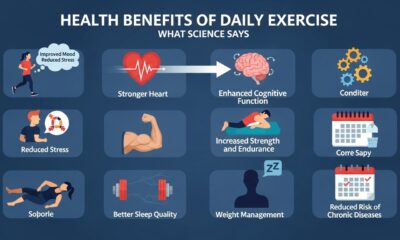
 Health6 months ago
Health Benefits of Daily Exercise: What Science Says
-

 Health2 months ago
15-Minute Beginner Home Workout Plan 2026: No Equipment Needed
-

 Health2 months ago
7 Best Dumbbell Exercises for Skinny Guys to Build Muscle at Home in 2026
-

 Health2 months ago
90-Day Muscle Gain Plan for Hardgainers
-

 Health1 month ago
National Health Choices: A Complete Guide to Making Better Healthcare Decisions
-

 Health2 months ago
How Many Eggs Equal One Scoop of Whey Protein?
-
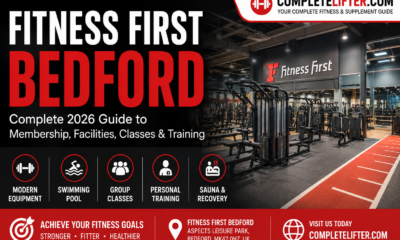
 Health1 month ago
Fitness First Bedford Membership, Pricing, Workout Plan & Expert Tips (2026 Guide)
-

 Health1 month ago
Best Chest and Triceps Workout