Education
Analyzing Map 2.0 Post Assessment Answers for Student Growth


The MAP 2.0 Post Assessment is more than just a series of questions; it’s a powerful tool designed to unlock the potential within each student. As educators, we know that understanding where our students stand academically is essential for fostering growth. The insights gleaned from these assessment answers can guide our teaching strategies and enhance learning outcomes in remarkable ways. In this blog post, we’ll dive deep into the significance of analyzing MAP 2.0 post assessment answers and explore how they can shape both individual and collective student achievement. Whether you’re an educator, administrator, or involved in educational policy, you won’t want to miss out on what this data can reveal about your students’ journeys toward success.
Understanding the Purpose of MAP 2.0
MAP 2.0, or Measures of Academic Progress, serves as a vital tool in the educational landscape. Its primary purpose is to assess student growth over time. Unlike traditional tests that offer a snapshot, MAP 2.0 provides insights into learning trajectories.
This adaptive assessment adjusts its difficulty based on each student’s responses. This ensures a personalized evaluation experience for every learner. Teachers can pinpoint exact areas where students excel or struggle.
Beyond mere scores, MAP 2.0 fosters data-informed decision-making in classrooms. It emphasizes continuous improvement rather than one-time performance metrics. Moreover, it aligns with various educational standards and benchmarks.
Understanding the purpose of MAP 2.0 enriches both teaching strategies and student outcomes by focusing on individual progress and mastery over time.
Importance of Analyzing Post Assessment Answers for Student Growth
Analyzing post assessment answers is crucial in understanding student growth. Each response offers insight into what students grasp and where they struggle.
By closely examining these answers, educators can identify specific learning gaps. This data serves as a roadmap for targeted interventions, ensuring that every student’s needs are met.
Moreover, it fosters a culture of continuous improvement within the classroom. When teachers understand their students’ progress through detailed analysis, they can adjust instruction to better support learner development.
This process also empowers students by providing them with feedback on their performance. They see tangible evidence of their strengths and areas needing attention.
Leveraging post assessment insights lays the foundation for meaningful educational experiences tailored to individual learners’ journeys.
The Data Analysis Process
The data analysis process begins with collecting MAP 2.0 post assessment answers. This stage is crucial as it forms the foundation for understanding student performance.
Once the data is gathered, sorting and organizing it helps identify key trends and patterns. Educators can utilize various tools to visualize this information, making it easier to digest.
Next, delve into specific areas of interest. Look for common mistakes or unexpected successes among students. Each piece of data provides insight into their learning journey.
Collaboration with colleagues often enhances analysis efforts. Sharing perspectives can uncover additional interpretations that may have been overlooked individually.
Interpreting results demands careful consideration of context students’ backgrounds, classroom dynamics, and curriculum changes all play significant roles in shaping outcomes. This comprehensive approach leads to meaningful insights that drive instructional improvements.
Identifying Strengths and Weaknesses in Student Performance
Analyzing MAP 2.0 post assessment answers reveals key insights into student performance. Each student’s results paint a picture of their academic journey.
Strengths often emerge as patterns in specific skill areas. When students excel, it highlights not just their understanding but also effective teaching strategies that resonate with them.
Conversely, weaknesses signal opportunities for growth. They can show where students struggle or concepts they find challenging. This information is crucial for tailoring instruction to meet diverse needs.
Teachers can leverage these insights to provide targeted support and resources. By focusing on individual strengths and addressing weaknesses, educators can foster a more personalized learning experience.
This approach encourages continuous improvement and helps build confidence among students as they navigate their educational paths. Recognizing both sides of the spectrum empowers teachers to create dynamic classroom environments conducive to success.
Strategies for Using Post Assessment Data to Inform Teaching and Learning
Using post assessment data effectively can transform your teaching approach. Start by categorizing the data into actionable insights. Look for patterns that highlight common challenges faced by students.
Next, create targeted interventions based on these findings. For example, if a significant number of students struggle with specific math concepts, consider small group sessions to address those weaknesses directly.
Incorporate varied instructional strategies to cater to different learning styles. Visual aids may help some grasp complex ideas better, while others might benefit from hands-on activities.
Regularly revisit the assessment answers as new material is taught. This practice not only tracks student progress but also allows for adjustments in curriculum pacing and focus areas throughout the year.
Engage students in their own learning journey by sharing relevant data with them. Encourage self-reflection and goal-setting based on their performance trends, fostering ownership of their academic growth.
The Impact of Utilizing MAP 2.0 Post Assessment Answers on Student Growth and Achievement
Utilizing MAP 2.0 post assessment answers can significantly influence student growth and achievement. The insights derived from these assessments provide a clear picture of each student’s understanding and skill level.
When teachers analyze the data, they identify specific areas where students excel or struggle. This targeted approach allows for personalized learning experiences that cater to individual needs.
As educators implement strategies based on assessment results, students often show marked improvement in their performance over time. Engaging with this data fosters a growth mindset among learners, encouraging them to embrace challenges and seek help when needed.
Moreover, consistent use of MAP 2.0 insights helps track progress year after year. It builds a strong foundation for continuous development as both teaching methods and student capabilities evolve together through informed decisions based on real evidence.
Conclusion
Analyzing MAP 2.0 post assessment answers plays a crucial role in enhancing student growth and achievement. By understanding the purpose of these assessments, educators can harness valuable insights into their students’ learning journeys. This analysis not only highlights areas where students excel but also pinpoints specific weaknesses that need attention.
The data analysis process allows teachers to delve deep into performance metrics, enabling them to tailor instruction effectively. Identifying strengths helps celebrate achievements, while recognizing weaknesses prompts targeted interventions aimed at improving overall performance.
Implementing strategies based on post-assessment data transforms teaching approaches and encourages personalized learning experiences for each student. This proactive stance fosters an environment where every learner can thrive, ultimately leading to significant academic advancements.
Utilizing MAP 2.0 post assessment answers empowers educators with the tools needed for meaningful change in their classrooms. As teachers continue to refine their methods based on data-driven insights, the potential for student growth becomes limitless creating pathways toward greater success and accomplishment in education.



When I first started looking into the Cisco 300-815 CLACCM exam, I thought it would be like most other certification tests. Read the blueprint, memorize the features, review some notes, and you’re good to go. It didn’t take long to realize that this one plays a little differently.
The 300-815 exam is not about repeating definitions. It is about understanding how collaboration systems actually behave in real environments. And that is exactly why practice questions matter so much.
It’s Not About Memorizing Features
A lot of candidates make the mistake of studying Cisco Unified Communications Manager features in isolation. They read about route patterns, partitions, calling search spaces, SIP trunks, mobility features, and assume knowing the definitions will be enough.
But when you start working through 300-815 practice questions, you quickly see the gap. The exam does not ask What is a calling search space? It gives you a situation where calls are failing between two sites and asks you to figure out why.
That shift changes everything.
Good practice questions force you to think through call flow. You have to picture how a call is processed, how the dial plan is matched, which partition is searched first, and where it might break. It becomes less about memory and more about logic.
In fact, this is where the Cisco 300-815 CLACCM exam dumps truly stands out. It evaluates whether you can apply collaboration concepts in realistic environments rather than simply recall technical terms.
Scenario Based Questions Feel Real
One thing I noticed while reviewing 300-815 practice questions is how realistic many of them feel. They describe issues that could easily happen in a live deployment. For example, a company integrates a new SIP trunk and suddenly outbound calls stop working for a specific department. Or mobility services are configured, but devices are not registering correctly.
These are not abstract problems. They are practical situations that require you to slow down and analyze details carefully. This practical focus is a core characteristic of the Cisco 300-815 CLACCM exam and it shapes the way you should prepare.
You may see small configuration snippets. You might need to identify whether a route pattern is incorrectly assigned to a partition. Sometimes two answers look almost correct, and the difference comes down to one subtle detail mentioned in the scenarios.
That’s where proper practice makes a difference.
Troubleshooting Is a Big Part of It
If there is one theme that consistently appears in 300-815 practice tests, it is troubleshooting. The exam expects you to think like someone responsible for maintaining a collaboration environment.
You might encounter questions about codec mismatches, failed device registrations, call forwarding issues, or cluster communication problems. These are not trick questions. They are designed to test whether you understand how components interacts.
When practicing, it helps to ask yourself: What is the symptom? What is the most likely root cause? Which configuration element directly impacts this behavior?
Over time, you begin to recognize patterns. Certain types of problems often point to specific misconfigurations. That familiarity builds confidence.
How to Use Practice Questions the Right Way
There is a differences between doing practice questions and learning from them. I have seen people rush through question sets just to check their score. That approach does not help much.
A better method is slower and more deliberate. After answering each question, read the explanation carefully. Even if you selected the correct option, make sure you understand why the other answers are wrong. That comparison sharpens your thinking.
If you get something wrong resist the urge to move on quickly. Revisit the concept. Review how that feature works inside Cisco Unified Communications Manager. Try to recreate the scenario mentally.
Consistency matters more than volume. Doing a moderate number of questions every day with focus is far more effective than cramming hundreds at once.
Building Real Confidence
One of the biggest benefits of working with solid 300-815 practice questions is confidence. The exam can feel intimidating at first because collaboration systems have many moving parts. Dial plans, mobility, trunks, clusters, policies it is easy to feel overwhelmed.
But something changes after repeated exposure to realistic scenarios. The questions start to feel familiar. The logic behind call routing becomes clearer. Troubleshooting steps begin to feel structured rather than random.
That is usually the point where preparation becomes meaningful.
The 300-815 exam rewards understanding, not memorization. If you treat practice questions as learning tools instead of shortcuts, you develop real technical clarity. And that clarity does more than help you pass an exam. It strengthens your ability to handle real collaboration environment with confidence.


The achievement known as Paige Ramsey SBOLC graduation represents more than the completion of a professional military course. It symbolizes dedication, resilience, and a strong commitment to leadership development. In today’s structured military education system, graduating from the Basic Officer Leader Course (SBOLC) is a defining moment that prepares officers for real-world responsibilities. For Paige Ramsey, this graduation reflects personal growth, academic discipline, and readiness to serve with confidence and competence.
Understanding the Importance of Paige Ramsey SBOLC Graduation
The Paige Ramsey SBOLC graduation highlights the importance of structured leadership training within the military. SBOLC is designed to bridge the gap between theoretical knowledge and operational leadership. Graduating from this program signifies that an officer has demonstrated the ability to think critically, adapt under pressure, and lead teams effectively.
This milestone is not just about completing coursework. It reflects the successful development of essential skills such as decision-making, communication, and ethical leadership. Paige Ramsey’s graduation stands as a testament to perseverance and professional readiness.
What SBOLC Represents in a Military Career
A Foundation for Leadership
SBOLC serves as a foundational course for newly commissioned officers. The Paige Ramsey SBOLC graduation underscores the transition from training environments to leadership roles where accountability and strategic thinking are essential. Officers completing this course are expected to lead with integrity while managing both people and missions.
Preparing for Real-World Challenges
The curriculum emphasizes tactical knowledge, problem-solving, and adaptability. Through practical exercises and assessments, officers learn how to respond to complex scenarios. Paige Ramsey’s SBOLC graduation represents preparedness to face operational challenges with confidence.
Paige Ramsey SBOLC Graduation as a Personal Achievement
Commitment and Discipline
Completing SBOLC requires mental focus, physical endurance, and emotional resilience. The Paige Ramsey SBOLC graduation reflects consistent effort and determination throughout the training process. Long hours of study, field exercises, and evaluations shape officers into capable leaders.
Growth Through Challenge
Every stage of SBOLC tests an officer’s ability to learn from feedback and improve continuously. Paige Ramsey’s graduation demonstrates growth through discipline, adaptability, and a willingness to embrace responsibility.
Leadership Lessons Highlighted by Paige Ramsey SBOLC Graduation
Accountability and Responsibility
One of the key outcomes of SBOLC is understanding accountability. The Paige Ramsey SBOLC graduation symbolizes readiness to take responsibility for decisions that impact others. Officers learn that leadership involves service, fairness, and ethical judgment.
Teamwork and Communication
Effective leadership depends on collaboration. SBOLC emphasizes teamwork, teaching officers how to communicate clearly and motivate diverse groups. Paige Ramsey’s graduation highlights the importance of building trust and unity within a team-oriented environment.
Professional Impact of Paige Ramsey SBOLC Graduation
Career Advancement Opportunities
Graduating from SBOLC is a significant step in an officer’s career progression. The Paige Ramsey SBO-LC graduation opens doors to leadership assignments and specialized roles. It signals that an officer is prepared to apply training in operational settings.
Recognition of Competence
SBOLC graduation is widely recognized as a mark of competence and readiness. Paige Ramsey’s accomplishment reflects positively on professional credibility and future leadership potential.
The Broader Meaning of SBOLC Graduation
Inspiring Future Officers
Achievements like Paige Ramsey SBO-LC graduation serve as inspiration for aspiring officers. They demonstrate that commitment and perseverance lead to meaningful milestones. Such graduations reinforce the value of structured training and personal accountability.
Strengthening Organizational Excellence
Each SBOLC graduate contributes to the overall strength of the organization. By completing this course, officers bring refined leadership skills and disciplined thinking to their units. Paige Ramsey’s graduation represents a contribution to collective excellence.
Balancing Personal Values and Professional Duty
Integrity as a Core Principle
SBOLC emphasizes ethical leadership and integrity. The Paige Ramsey SB-OLC graduation reflects alignment with these values, highlighting the importance of honesty and responsibility in leadership roles.
Lifelong Learning and Adaptability
Graduation from SBOLC is not the end of learning. It marks the beginning of continuous professional development. Paige Ramsey’s accomplishment underscores a commitment to growth, adaptability, and lifelong learning.
Public Recognition and Personal Pride
A Moment of Celebration
Graduation ceremonies recognize dedication and effort. The Paige Ramsey SBO-LC graduation is a moment of pride, not only for the graduate but also for mentors, peers, and supporters who contributed to the journey.
Symbol of Achievement
Such milestones carry lasting significance. Paige Ramsey’s graduation serves as a reminder of the discipline required to achieve professional excellence and the rewards of perseverance.
Conclusion
The story behind Paige Ramsey SB-OLC graduation is one of determination, leadership, and professional readiness. This achievement represents a critical step in military career development, highlighting the importance of structured training and ethical leadership. Beyond personal success, it symbolizes a commitment to service, responsibility, and continuous growth. As Paige Ramsey moves forward, this milestone stands as a foundation for future accomplishments and meaningful contributions to leadership and service.


In the fast speed life of present time, the burden to learn the Quran became light and accessible. Online Quran Classes For Young Children Taking online Quran classes for young children is a very good way to introduce children of all ages to experienced teachers and to study at your own pace, get a clear understanding of Quran at your home. CPR Kids offers kids and adult courses, so whether you’re seeking to learn as a young student, or hope to enhance your understanding and recitation as an adult, you have access to flexible and effective options for instruction.
Why Online Quran Learning is a Game-Changer
Learning the Quran in a traditional way, like traveling to a madrasa or religious center, is time intensive and it can be inflexible. Barriers are removed with Online Quran classes. Schedule lessons as per your convenience, attend classes from anywhere in the world and even opt for private one-on-one sessions for getting focused attention. The newer platforms incorporate interactive elements such as video lessons, live feedback, and progress trackers, so learning is fun and quantifiable.
Another major benefit is that the teachers are qualified. A lot of online tafsir classes and programs will allow you to have a tutor or coach that has experience teaching and knows the Quran, tajweed (correct pronounciation), and Hifz (memorization). Some platforms even enable learners to select teachers based on their learning style or language preference, offering a tailored learning journey.
Step-by-Step Learning for Every Age
Online Quran classes are designed to lead you step by step with depth in each stage that ensures at least understanding and memorizing:
- Learning the Arabic Alphabet and Pronunciation: Beginners learn letters, vowel sounds, and how to correctly articulate each sound. Becoming proficient in these essentials is what makes the difference between reciting correctly and being just another reader.
- Short Surahs And The Basic Reading: When we introduce letters, students then advance to basic words and short Surahs, which helps gain the students confidence in reading fluently.
- Tajweed Rules: Once they have gotten used to reading, the students begin to study Tajweed—the rules of pronunciation, pauses, and accents (emphases) which is necessary for the recitation of the Qur’an.
- Hifz / Memorization Methods: The online classes for Hifz / memorization offer a structured curriculum with repetition methods, audio support, and frequent tests for students who wish to memorize the Quran.
- Understanding and the Tafsir: Advanced students delve into the meanings of the verses, the context, and applications in everyday life, relating what is taught in the Quran to self-improvement and spirituality.
Interactive and Modern Learning Tools
The difference online Quran learning classes is the technology behind of it. Virtual classrooms also allow students to interact with teachers in real time, which means they can ask questions and get answers right away. Recorded lessons make it convenient to review tough segments, and mobile apps give you the flexibility to study wherever you are. Gamified components such as quizzes, badges and reward system keep the younger learners engaged while learning the Quran in fun and motivating manner.
Suitable for Everyone
Online Quran classes are for all ages. Kids can learn how to recite the basics, and grown ups can brush up on their fluency, memorization, or comprehension. Lessons may even be taken by family units, so the home becomes a place of supportive cooperation in learning. The flexibility offers everyone to start his journey to learn Quran, no matter what his schedule or his location is.
Choosing the Right Platform
When choosing an online Quran platform, make sure to keep in mind the qualifications of the teacher, structure of the curriculum, flexibility of the b, and reviews of students. Many platforms provide free trial sessions so that learners can gauge the teaching style before making a decision. Look for those that have a combination of live interaction, structured progression, and the latest learning tools for best outcomes.
Conclusion
The online Quran classes have facilitated the learning and teaching of the Quran in easy and convenient way for all. Adults now have access to the most sophisticated curriculum, world-class resources, and expert teachers to improve their recitation, increase the number of verses they have memorized, and learn about the teachings of the Quran. Repetition in this manner and unwavering persistence will yield spiritual splendour for one and all, at any place and time – add your own home to that list.

In today’s fast-paced digital world, reliable email communication is essential for both personal and professional use. Comporium webmail offers customers a convenient, secure, and user-friendly platform to manage their email accounts online. Designed to support seamless communication, comporium webmail allows users to access messages from any device with an internet connection. Whether you are a residential customer or a business user, understanding how comporium webmail works can help you make the most of its features and services.
What Is Comporium Webmail?
Understanding Comporium Webmail Services
Comporium web-mail is an online email service provided by Comporium, a telecommunications company offering internet, cable, and phone services. The webmail platform enables subscribers to access their email accounts through a web browser without needing third-party software.
This browser-based approach ensures that users can log in from desktops, laptops, tablets, or smartphones. The system is designed to provide stability, security, and ease of navigation, making comporium web-mail accessible to users of all experience levels.
Who Can Use Comporium Webmail?
Typically, comporium web-mail is available to customers who subscribe to Comporium’s internet services. Both residential and business clients can create and manage email accounts linked to their subscription.
For business users, the platform supports professional communication, while residential customers use it for everyday correspondence, account notifications, and personal networking.
How to Access Comporium Webmail
Login Process for Comporium Webmail
Accessing comporium web-mail is straightforward. Users must visit the official login page through a web browser. Once on the page, they enter their email address and password to access their inbox.
To ensure security, it is important to:
-
Use a strong password
-
Avoid logging in on public devices
-
Log out after each session
-
Enable additional security features if available
These steps help protect personal information and maintain account safety.
Resetting Password in Comporium Webmail
If a user forgets their password, comporium web-mail provides a password recovery option. Typically, users must verify their identity through a registered phone number or alternative email address. After verification, they can create a new secure password.
Keeping recovery information updated ensures that account access can be restored quickly when needed.
Key Features of Comporium Webmail
User-Friendly Interface in Comporium Webmail
One of the strengths of comporium web-mail is its simple and intuitive interface. The dashboard is organized into folders such as Inbox, Sent, Drafts, and Spam, allowing users to manage emails efficiently.
The search function helps locate specific messages quickly, saving time and improving productivity.
Storage and Attachment Support in Comporium Webmail
Comporium web-mail supports file attachments, making it suitable for sending documents, images, and other media. Storage limits vary depending on the account type, but most users have sufficient capacity for everyday communication needs.
Attachment support makes the platform useful for both casual correspondence and professional exchanges.
Spam Filtering in Comporium Webmail
Spam filtering is a crucial feature in modern email systems. Comporium webmail includes automatic spam detection tools that help reduce unwanted messages. Suspicious emails are moved to the spam folder, minimizing clutter in the main inbox.
Users can also mark specific messages as spam or safe, improving filtering accuracy over time.
Security Measures in Comporium Webmail
Encryption and Data Protection in Comporium Webmail
Security is a priority in any email service. Comporium web-mail uses secure login protocols to protect user data during transmission. Encryption helps safeguard sensitive information from unauthorized access.
It is recommended that users avoid sharing login credentials and regularly update passwords to maintain strong security.
Tips for Safe Use of Comporium Webmail
To enhance security while using comporium web-mail, consider the following best practices:
-
Enable two-factor authentication if available
-
Avoid clicking unknown links
-
Regularly update browser software
-
Monitor account activity for unusual behavior
These precautions significantly reduce the risk of cyber threats.
Benefits of Using Comporium Webmail
Convenience of Browser-Based Access in Comporium Webmail
A major advantage of comporium web-mail is that it does not require additional software installation. Users can access their accounts directly through a web browser. This flexibility is especially useful for individuals who travel frequently or switch between devices.
Since the platform is cloud-based, emails remain accessible from virtually anywhere.
Integration with Other Services Through Comporium Webmail
Comporium web-mail may integrate with other tools such as calendars and contact lists. These features allow users to organize appointments, manage contacts, and streamline communication.
Business users particularly benefit from integrated features that enhance workflow efficiency.
Cost-Effective Communication with Comporium Webmail
For customers already subscribed to Comporium services, webmail access is typically included. This makes comporium web-mail a cost-effective communication solution without requiring additional subscription fees.
Bundled services simplify account management and billing.
Troubleshooting Common Comporium Webmail Issues
Login Problems in Comporium Webmail
Occasionally, users may encounter login issues. These can result from incorrect passwords, expired sessions, or browser compatibility problems. Clearing the browser cache or resetting the password often resolves such issues.
If problems persist, contacting customer support is advisable.
Email Sending or Receiving Issues in Comporium Web-mail
Sometimes emails may not send or arrive as expected. This could be due to full storage capacity, spam filtering settings, or network interruptions. Checking folder settings and verifying internet connectivity can help identify the cause.
Regularly managing inbox storage ensures smoother performance.
Comparing Comporium Webmail with Other Email Services
Unique Aspects of Comporium Web-mail
While many email platforms exist, comporium web-mail stands out because it is directly connected to a trusted telecommunications provider. This integration allows for reliable infrastructure support and consistent service availability.
Unlike generic free email services, it is specifically tailored to Comporium customers, offering localized customer support.
Considerations When Choosing Comporium Web-mail
When selecting an email service, users often consider factors such as storage, security, reliability, and ease of use. Comporium web-mail provides a balanced combination of these features, making it suitable for users seeking straightforward functionality.
Although it may not offer all the advanced customization options of larger global providers, it meets the needs of most residential and small business users effectively.
The Future of Comporium Webmail
Technological Improvements in Comporium Web-mail
As digital communication evolves, comporium web-mail is likely to adopt new technologies to enhance performance and security. Improvements may include stronger encryption, expanded storage options, and enhanced mobile compatibility.
Continuous updates ensure that users benefit from modern email standards.
Growing Importance of Reliable Email Platforms
Email remains a vital communication tool despite the rise of messaging apps. Platforms like comporium web-mail continue to serve as dependable solutions for formal correspondence, documentation, and account management.
Reliable email systems remain essential for businesses and individuals alike.
Conclusion
Comporium web-mail offers a dependable and user-friendly email solution tailored to subscribers of Comporium’s services. With secure access, spam filtering, attachment support, and browser-based convenience, the platform meets the communication needs of both residential and business users.
By understanding how comporium web-mail functions and following recommended security practices, users can enjoy seamless and safe digital communication. As technology continues to advance, the platform is expected to evolve while maintaining its core strengths of reliability and accessibility.
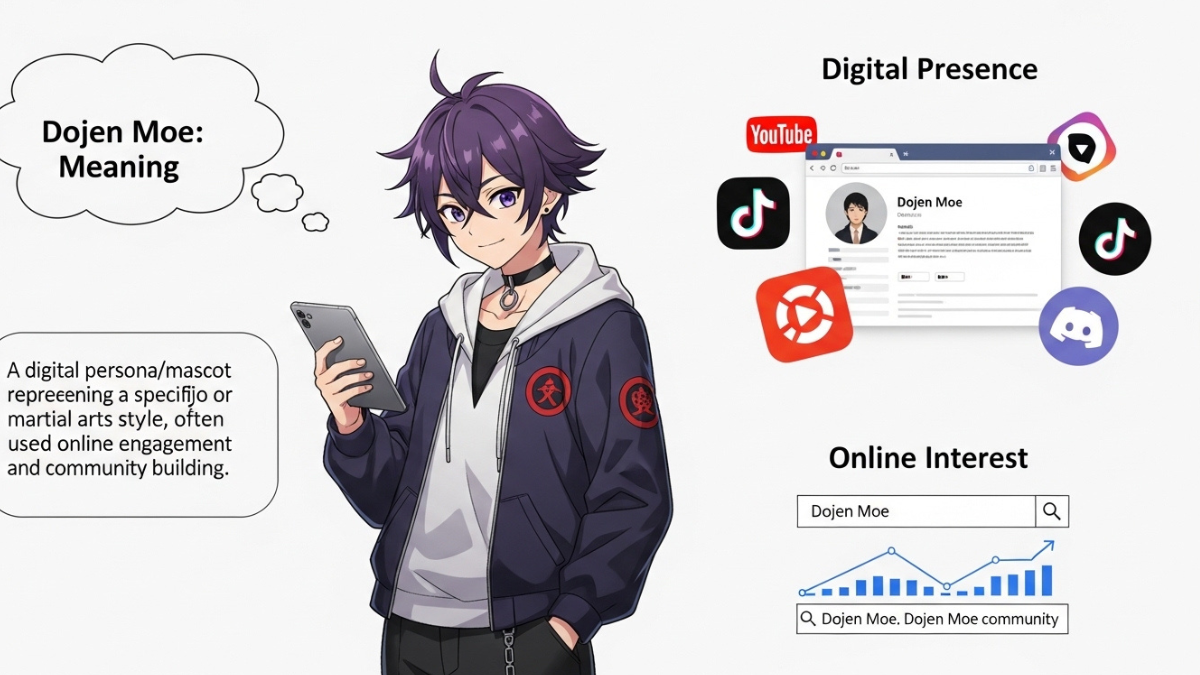
In the digital age, unique terms and names often spark curiosity and search activity across the internet. Dojen moe is one such keyword that has begun appearing in online searches, prompting users to look for its meaning, background, and relevance. While not yet widely defined, dojen moe shows potential as a distinctive digital term that may be linked to creative culture, online communities, or niche branding. This article explores dojen moe in depth, focusing on its possible interpretations, online significance, and future potential.
Understanding the Term Dojen Moe
Dojen moe does not currently correspond to a standard dictionary definition, which makes it particularly interesting in a digital context. Many modern terms are intentionally coined to be unique, memorable, and adaptable. Dojen moe appears to follow this pattern, functioning more as a digital identifier than a conventional word.
Users searching for dojen moe are often looking for clarity—whether it refers to a platform, a cultural concept, a creative project, or an online alias. This early-stage curiosity plays an important role in shaping the term’s online identity.
Cultural and Linguistic Influence Behind Dojen Moe
The appeal of dojen moe may lie in its phonetic structure and cultural undertones. The word “moe” is commonly associated with Japanese pop culture, where it expresses affection, charm, or emotional appeal, particularly in anime and manga communities. Its presence gives dojen moe a soft, expressive tone.
“Dojen,” on the other hand, may be interpreted as a stylized or invented prefix, enhancing originality. Together, dojen moe feels playful, creative, and culturally influenced, making it attractive for digital use.
Why Dojen Moe Is Gaining Online Attention
The rise of dojen moe reflects broader trends in digital naming and online expression.
Unique and Memorable Identity
In a crowded online environment, originality matters. Dojen moe stands out because it is uncommon and easy to remember. Search engines also favor clarity, and unique terms face less competition than generic keywords.
Appeal to Niche Communities
Terms containing “moe” often resonate with creative, anime, gaming, or digital art communities. This association can help dojen moe attract interest from users who value expressive and culture-driven content.
Curiosity-Driven Searches
Unfamiliar terms naturally encourage exploration. Users encountering dojen moe for the first time are likely to search for its meaning, origin, or use, increasing engagement and search visibility.
Possible Uses and Interpretations of Dojen Moe
Although do jen moe does not have a fixed definition, its flexibility allows for several possible applications.
Digital Brand or Project Name
Do jen moe could work effectively as a brand name for a website, app, blog, or creative platform. Unique names are easier to brand and often leave a stronger impression.
Creative or Artistic Identity
Many creators choose original terms to represent artistic styles, characters, or digital personas. Do jen moe fits well into creative spaces that value individuality and expression.
SEO-Focused Keyword
From an SEO perspective, doj en moe is a low-competition keyword. This makes it valuable for content creators looking to establish authority and rank more easily in search results.
SEO Value and Optimization Potential of Dojen Moe
Doj en moe offers strong SEO advantages due to its uniqueness and specificity.
Natural Keyword Placement
Using do jen moe naturally in titles, headings, and body content helps search engines identify relevance without affecting readability. Balanced usage supports a healthy keyword density.
Authority Building Through Content
Publishing consistent, informative content around do jen moe can help build topical authority. Over time, this can lead to improved rankings and stable organic traffic.
Long-Term Search Growth
As awareness increases, searches for do jen moe may grow. Early optimization allows websites to benefit from future interest and sustained visibility.
User Experience and Content Clarity
When users search for emerging terms like do jen moe, they expect clear explanations and helpful context.
Easy-to-Understand Content
Simple language and clear explanations help users quickly understand what doj en moe represents. This improves trust and encourages deeper engagement.
Structured and Readable Layout
Using headings, short paragraphs, and logical flow enhances readability and user satisfaction, while also supporting search engine indexing.
Trust, Safety, and Responsible Digital Use
If do jen moe becomes associated with a website, service, or community, transparency and responsible practices will be essential. Clear communication and honest presentation help build user confidence.
Users should always follow standard online safety measures when interacting with new platforms or unfamiliar terms, including verifying sources and avoiding misleading content.
Future Outlook of Dojen Moe
The future of doj en moe depends on how it is adopted and developed. With consistent usage and a clear purpose, it has the potential to evolve into a recognizable digital identity.
As digital culture continues to embrace originality and expressive naming, terms like do jen moe are well-positioned for growth. Creative alignment and user engagement will play key roles in its evolution.
Role of Dojen Moe in the Digital Ecosystem
Do jen moe reflects a broader shift toward creative and culture-inspired digital identifiers. It highlights how modern online spaces value uniqueness, emotional tone, and cultural influence.
By offering flexibility and memorability, do jen moe contributes to the diversity and creativity of the digital ecosystem.
Conclusion
Doje n moe is an emerging digital term with growing curiosity and strong potential for branding, SEO, and creative use. Its unique structure, cultural appeal, and low competition make it a valuable keyword in today’s online landscape. With thoughtful development and consistent presentation, doj en moe can grow into a recognized and meaningful digital identity.

In the rapidly expanding digital ecosystem, new platforms and tools continue to emerge with unique names and functions. Imsgtroid is one such term gaining attention among users who explore online services, digital utilities, and evolving tech-based solutions. While the digital world grows more complex, platforms like imsgtroid highlight how innovation, accessibility, and user-focused design are becoming central to modern online experiences. This article provides a detailed overview of imsgtroid, explaining what it is, how it works, and why it matters in today’s digital landscape.
Understanding Imsgtroid and Its Core Concept
Imsgtroid can be described as a digital-oriented platform or concept that reflects the growing demand for simplified, efficient, and accessible online tools. As users increasingly rely on web-based services for communication, productivity, and information, imsgtroid aligns with the trend of creating streamlined digital solutions.
The core idea behind imsgtroid revolves around usability and adaptability. Rather than overwhelming users with complex systems, it focuses on functionality that supports smooth digital interaction and ease of use.
How Imsgtroid Fits into the Digital Environment
The digital environment is constantly evolving, and imsgtroid positions itself as a part of this transformation. Modern users value speed, clarity, and reliability, and platforms associated with imsgtroid reflect these priorities.
By leveraging digital infrastructure, imsgtroid contributes to a more connected and responsive online experience. It represents how technology continues to shift toward user-centric models that emphasize convenience without sacrificing effectiveness.
Key Features Associated with Imsgtroid
User-Friendly Design in Imsgtroid
One of the defining characteristics of imsgtroid is its emphasis on a clean and intuitive user interface. Digital platforms today must be easy to navigate, and imsgtroid aligns with this expectation by prioritizing simplicity.
A user-friendly structure ensures that individuals can interact with the platform efficiently, regardless of their technical background. This approach enhances accessibility and encourages broader adoption.
Accessibility and Flexibility of Imsgtroid
Imsgtroid reflects the importance of accessibility in modern digital tools. Whether accessed from different devices or used by diverse user groups, flexibility plays a crucial role in its relevance.
This adaptability allows users to integrate imsgtroid-related services into their daily digital routines without disruption, making it a practical option in a fast-paced online world.
Performance and Reliability
Reliability is a major concern for users engaging with digital platforms. Imsgtroid is associated with consistent performance, ensuring that users can depend on the platform for stable and predictable functionality.
This reliability builds trust and contributes to long-term user engagement, which is essential in a competitive digital marketplace.
Benefits of Using Imsgtroid
Streamlined Digital Interaction
One of the main benefits of ims-gtroid is the streamlined digital interaction it promotes. By minimizing unnecessary complexity, it allows users to focus on their goals rather than navigating complicated systems.
This streamlined approach improves efficiency and reduces frustration, which is a significant advantage for modern digital users.
Enhanced User Experience
Ims-gtroid is designed with the user experience in mind. From layout to functionality, every aspect is intended to support smooth interaction and clarity.
An enhanced user experience not only improves satisfaction but also encourages repeated use, which is a key indicator of a platform’s success.
Alignment with Modern Digital Trends
Digital trends continue to move toward automation, simplicity, and responsiveness. Ims-gtroid aligns with these trends by emphasizing features that support quick access and intuitive use.
This alignment ensures that im-sgtroid remains relevant as user expectations and technological standards continue to evolve.
Imsgtroid and Digital Innovation
Innovation is at the heart of digital progress, and imsg-troid reflects this spirit. It represents how modern platforms are adapting to changing user needs by focusing on efficiency and scalability.
By embracing digital innovation, imsg-troid demonstrates how new concepts can emerge and find relevance through thoughtful design and practical application.
Security and Trust in Imsgtroid
Security is a critical factor in any digital platform. Imsg-troid places importance on maintaining a secure environment that protects user interactions and data.
Trust is built when users feel confident that their digital activities are safeguarded. By prioritizing security principles, imsgtr-oid strengthens its credibility and appeal.
Comparing Imsgtroid with Traditional Digital Platforms
When compared to older or more traditional digital platforms, imsgt-roid stands out for its modern approach. Traditional systems often struggle with outdated interfaces and limited flexibility.
In contrast, imsgt-roid reflects a forward-thinking mindset that embraces current technology standards and user expectations. This difference highlights the importance of continuous innovation in the digital space.
Who Can Benefit from Imsgtroid?
Imsgt-roid can benefit a wide range of users, from individuals exploring digital tools to professionals seeking efficient online solutions. Its emphasis on usability makes it suitable for both experienced users and newcomers.
Those who value clarity, reliability, and ease of access are likely to find ims-gtroid appealing as part of their digital toolkit.
The Future Potential of Imsgtroid
As digital technology continues to advance, imsg-troid has the potential to evolve further. Future developments may include enhanced features, improved integration, and greater personalization.
By adapting to technological progress and user feedback, ims-gtroid can maintain its relevance and continue to meet emerging digital needs.
Conclusion
Im-sgtroid represents a modern digital concept built around simplicity, performance, and user-focused design. In an online world where efficiency and accessibility are increasingly important, platforms associated with ims-gtroid demonstrate how thoughtful digital solutions can make a meaningful impact.
By understanding its purpose and benefits, users can better appreciate how ims-gtroid fits into the broader digital ecosystem. As with any digital platform, informed usage and awareness are key to maximizing its value.
-

 Business3 months ago
Understanding Asbestos Trust Funds and Compensation
-
 Technology3 months ago
Sosoactive: The Future of Digital Engagement and Authentic Social Connectivity
-

 Travel3 months ago
Adventure-Filled Best Family Road Trip Destinations Families Love
-
 Blog3 months ago
Onnilaina: The Future of Fast and Secure Online Loans 2025-2026
-

 Life Style3 months ago
Who is Monika Leveski? A Day in the Life of a Rising Star
-
 Blog4 months ago
UnbannedG+: A Community Reborn and What It Means for Users
-

 Business3 months ago
MyGreenBucks Kenneth Jones: Empowering Your Financial Future
-
 Fashion3 months ago
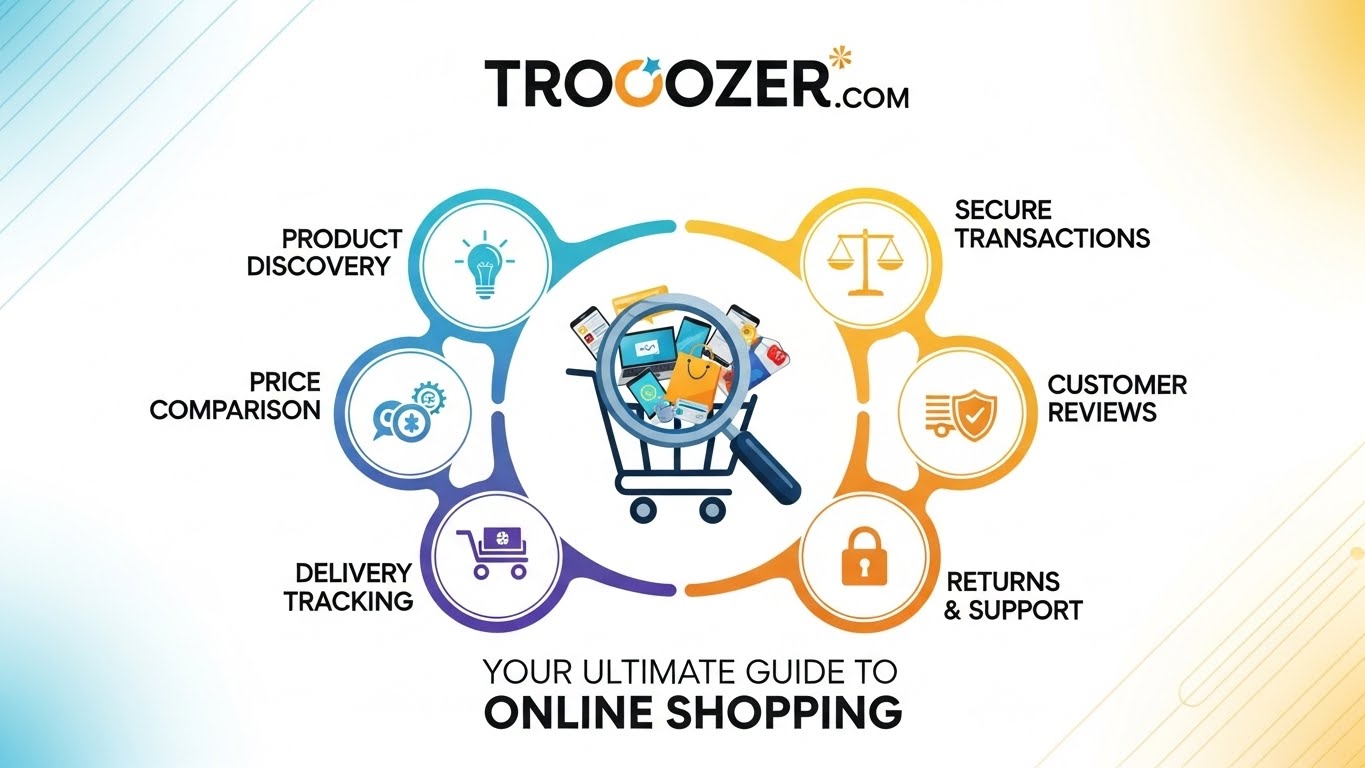
Troozer com: Your Ultimate Guide to Online Shopping