
Tech
ASX1 Com: A Guide to Its Purpose, and Online Relevance


In the rapidly evolving digital landscape, platforms like asx1 com are gaining attention for their unique online presence and emerging relevance. Whether users encounter the name through search engines, online discussions, or niche digital communities, asx1 com has sparked curiosity among internet users looking to understand its purpose and functionality. This article provides an in-depth overview of asx1 com, exploring its features, potential use cases, and overall digital significance.
Understanding ASX1 Com and Its Online Identity
ASX1 com appears to be a web-based platform that aligns with the growing trend of specialized online destinations. Unlike traditional websites with clearly defined categories, asx1 com represents a modern digital concept where flexibility and user-driven exploration play a key role. Many users are drawn to such platforms because they offer streamlined access to content or services without unnecessary complexity.
The naming structure of asx1 com itself suggests a concise and memorable digital identity. This is an important factor in today’s competitive online environment, where branding and recall value strongly influence user engagement.
Key Features Associated With ASX1 Com
One of the reasons asx1 com is gaining traction is its focus on simplicity and accessibility. While the exact features may evolve over time, platforms of this nature generally emphasize ease of navigation, lightweight design, and responsive performance.
User-Friendly Interface
A major highlight of asx1 com is its user-friendly interface. Websites that prioritize intuitive layouts tend to attract repeat visitors, as users can quickly find what they are looking for without confusion. Clean design and minimal clutter often enhance usability and trust.
Accessibility Across Devices
Modern users expect websites to perform smoothly across desktops, tablets, and mobile devices. ASX1 com aligns with this expectation by maintaining compatibility across different screen sizes. This responsiveness helps improve user satisfaction and overall engagement.
Fast Loading Experience
Website performance plays a crucial role in search engine visibility and user retention. Platforms like asx1 com typically focus on optimized loading speeds, reducing bounce rates and creating a smoother browsing experience.
The Growing Relevance of ASX1 Com in Search Trends
Search trends indicate that users are increasingly interested in discovering unique platforms that offer something different from mainstream websites. ASX1 com fits into this category by standing out through its name and emerging online footprint.
Search engines favor websites that deliver value, relevance, and consistency. As asx1 com continues to establish itself, its visibility in search results may improve, especially if it maintains quality content and user-centric design.
Potential Use Cases of ASX1 Com
While asx 1 com may not fit into a single predefined category, its flexibility allows for multiple potential applications. These use cases depend largely on how the platform develops and how users interact with it.
Information-Focused Platform
One possible direction for asx 1 com is functioning as an informational hub. Websites that curate or present targeted information often gain loyal audiences, particularly when the content is easy to understand and regularly updated.
Digital Service Gateway
Another potential use of asx 1 com could be acting as a gateway to digital tools or services. Such platforms serve as centralized access points, helping users save time and effort while navigating online resources.
Community-Driven Environment
Community-oriented platforms thrive when they encourage interaction and engagement. If asx 1 com incorporates participatory elements, it could evolve into a space where users contribute, share, or collaborate.
SEO Value and Online Visibility of ASX1 Com
From an SEO perspective, asx 1 com benefits from having a unique keyword structure. Unique domain-based keywords often face less competition, making it easier to rank in search engine results when optimized correctly.
Keyword Optimization Strategy
Using the keyword asx 1 com naturally in titles, headings, and content helps search engines understand the website’s relevance. Maintaining a balanced keyword density ensures the content remains readable while still being search-friendly.
Content Consistency
Consistency is key for building authority online. If asx1 com continues to publish or host relevant content consistently, it can strengthen its credibility and improve organic traffic over time.
Trust and User Signals
Search engines increasingly rely on user behavior signals such as time spent on site and return visits. A well-structured platform like asx 1 com can benefit from positive engagement metrics, boosting its overall SEO performance.
Safety and Reliability Considerations
When exploring any emerging platform, users naturally consider safety and reliability. ASX 1 com, like any online destination, should prioritize secure connections, transparency, and user trust. Clear policies and responsible management play a crucial role in building long-term credibility.
Users are encouraged to remain informed and practice standard online safety measures when interacting with any new website.
Future Outlook of ASX1 Com
The future of asx1 com depends on how it adapts to user expectations and digital trends. Platforms that evolve based on feedback and technological advancements tend to remain relevant longer. With the right balance of innovation, usability, and consistency, asx 1 com has the potential to establish a stronger presence in the digital space.
As online ecosystems continue to expand, niche platforms often find success by focusing on clarity and purpose. ASX 1 com is well-positioned to grow if it maintains a user-focused approach.
Conclusion
AS-X1 com represents a modern digital platform that reflects the changing nature of online exploration. Its simplicity, adaptability, and growing search interest make it an intriguing option for users seeking new online experiences. By focusing on usability, performance, and relevance, as-x1 com can continue to build its identity and strengthen its online footprint.
As the digital world evolves, platforms like as-x1 com highlight how concise branding and thoughtful design can contribute to long-term visibility and user engagement.

The keyword odeman09 has recently started appearing across various online platforms, sparking curiosity among users who want to understand its significance. In the modern digital world, usernames and online identities often represent more than just a name—they reflect creativity, presence, and engagement within virtual communities. Odeman09 is one such identifier that has attracted interest due to its distinctiveness and recurring appearance across online discussions, profiles, and content platforms.
As digital spaces continue to expand, identities like odeman09 play an increasingly important role in shaping how individuals interact, communicate, and build influence online.
What Is Odeman09?
At its core, odeman09 is a unique online identifier that may represent a personal username, brand alias, or digital persona. Unlike traditional names, usernames such as odeman09 are crafted to stand out in crowded digital environments. They often combine originality, memorability, and personal meaning, making them effective tools for online recognition.
Whether used on social media, forums, gaming platforms, or content-sharing websites, odeman09 reflects the modern trend of establishing a consistent identity across multiple digital channels.
The Origin and Meaning Behind Odeman09
Understanding the origin of odeman09 adds depth to its digital presence. While the exact meaning may be personal to its creator, the structure suggests a blend of a chosen name or nickname paired with a numerical element. Numbers in usernames often represent important years, milestones, or simply serve to make the name unique when variations are already taken.
This style of naming is common in digital culture and allows users like odeman09 to maintain a recognizable identity across platforms without confusion or duplication.
Odeman09 in the Online Community
The online community thrives on interaction, and odeman09 appears to participate actively within this ecosystem. Usernames that gain visibility usually do so through consistent engagement, meaningful contributions, or creative content. Whether through comments, posts, or shared media, odeman09 reflects the idea that online presence is built through participation rather than mere visibility.
Communities value authenticity, and digital identities that communicate clearly and respectfully tend to earn trust and recognition over time.
Content Creation and Digital Activity
One reason odeman09 continues to gain attention may be its association with digital content. Content can take many forms, including written posts, visual media, gaming activity, or interactive discussions. Regardless of format, consistency and originality are key factors that help usernames become familiar within online circles.
Odeman09’s growing digital footprint suggests an understanding of how content creation contributes to visibility and engagement in modern online spaces.
Why Odeman09 Stands Out Online
In a sea of generic usernames, odeman09 stands out because it is distinctive yet simple. Memorable usernames are easier to recall, share, and search for, which helps them gain traction organically. This is particularly important in competitive digital environments where thousands of new accounts are created daily.
The clarity and uniqueness of odeman09 make it suitable for long-term use, whether as a personal identity or as part of a broader digital brand.
The Role of Consistency in the Odeman09 Identity
Consistency is a cornerstone of successful digital identities, and odeman09 benefits from this principle. Using the same name across platforms helps create a unified presence, allowing audiences to recognize and follow activity easily.
When users encounter odeman09 repeatedly across different spaces, it reinforces familiarity and credibility. This consistency is especially valuable for building trust and maintaining engagement in online communities.
Odeman09 and Digital Branding Potential
Beyond casual use, odeman09 holds potential as a digital brand. Many successful online creators and influencers began with a simple username that evolved into a recognizable brand. With consistent messaging, quality content, and audience interaction, a name like odeman09 can transition from a username into a broader digital identity.
Branding does not require immediate monetization; it starts with clarity, authenticity, and value-driven engagement—elements that any strong digital presence can develop over time.
Privacy and Responsibility in Using Odeman09
With visibility comes responsibility. Users operating under the identity odeman09 must also consider digital privacy and ethical engagement. Protecting personal information, respecting community guidelines, and promoting positive interaction are essential aspects of maintaining a healthy online presence.
Responsible use of digital identities helps ensure longevity and trust, both of which are crucial in sustaining an online reputation.
The Future of Odeman09 in Digital Spaces
As digital platforms continue to evolve, the future of odeman09 depends on adaptability and ongoing participation. Online trends change rapidly, but identities that remain flexible while staying authentic tend to endure. Whether expanding into new platforms, experimenting with new content formats, or engaging with broader audiences, odeman09 has room to grow.
Digital success is not defined solely by popularity but by meaningful connections and sustained relevance over time.
Conclusion
In conclusion, odeman09 represents more than a simple username—it reflects the modern approach to digital identity, community engagement, and online expression. Through consistency, originality, and active participation, odeman09 demonstrates how individuals can establish a recognizable presence in today’s interconnected world.
As digital spaces become increasingly central to communication and creativity, identities like odeman09 highlight the importance of thoughtful naming, responsible engagement, and long-term vision. Whether as a personal alias or a developing digital brand, odeman09 stands as an example of how online identities can grow and thrive in the evolving digital landscape.


In today’s fast-moving digital era, technology-focused platforms play a vital role in keeping users informed and connected. WhatsOnTech has emerged as a recognizable name among users searching for technology updates, insights, and online trends. As interest in tech-driven content continues to grow, platforms like whatsontech help bridge the gap between innovation and everyday users. This article takes a detailed look at whatsontech, its potential offerings, features, and relevance in the digital ecosystem.
Understanding WhatsOnTech and Its Core Concept
WhatsOnTech is best understood as a technology-oriented platform designed to highlight current developments in the tech world. The name itself reflects curiosity and immediacy, suggesting timely updates and relevant information. In an online environment saturated with content, whatsontech aims to stand out by focusing on clarity, relevance, and accessibility.
Many users are drawn to such platforms because they simplify complex topics. Instead of overwhelming readers with technical jargon, whatsontech emphasizes understandable explanations that appeal to both tech enthusiasts and casual readers.
Key Features Associated With WhatsOnTech
Platforms centered on technology must deliver value through both content quality and user experience. WhatsOnTech aligns with these expectations by focusing on usability, performance, and engagement.
Clean and Intuitive Design
A well-organized layout is essential for retaining users. WhatsOnTech typically follows a clean design approach that allows visitors to browse content effortlessly. Logical categorization and readable formatting help users quickly locate topics of interest.
Mobile and Cross-Device Compatibility
With mobile browsing dominating internet usage, whatsontech ensures accessibility across various devices. Whether accessed on a smartphone, tablet, or desktop, the platform maintains consistent performance and visual clarity.
Fast Content Delivery
Speed plays a critical role in user satisfaction. WhatsOnTech benefits from lightweight page structures that load quickly, reducing bounce rates and improving overall engagement.
Content Focus and Informational Value of WhatsOnTech
The strength of whatsontech lies in its content-driven approach. Technology platforms thrive when they provide timely, accurate, and relevant information.
Technology News and Updates
One of the primary attractions of whatsontech is its focus on current technology trends. From emerging innovations to digital tools, the platform keeps users informed about developments shaping the tech landscape.
Educational and Insightful Articles
WhatsOnTech often presents information in a simplified manner, making it accessible to a broader audience. This educational focus helps users understand technology without requiring advanced technical knowledge.
Trend Analysis and Digital Awareness
By highlighting patterns and shifts within the tech industry, whatsontech supports digital awareness. Such insights are valuable for users who want to stay ahead of trends or make informed decisions.
SEO Value and Search Visibility of WhatsOnTech
From an SEO standpoint, whatsontech benefits from its unique and descriptive keyword structure. Branded keywords often face lower competition, allowing platforms to build authority over time.
Keyword Placement Strategy
Using the keyword whatsontech naturally in titles, headings, and body content helps search engines understand relevance without compromising readability. Balanced usage ensures compliance with SEO best practices.
Consistent Content Publishing
Regular updates improve search engine trust. As whatsontech continues to publish relevant and timely content, its organic reach and visibility may steadily increase.
User Engagement Signals
Search engines value user behavior metrics such as time spent on pages and return visits. A platform like whatsontech benefits when users find content engaging and easy to navigate.
Why WhatsOnTech Appeals to Modern Users
Modern internet users seek platforms that save time and deliver value. WhatsOnTech appeals to this audience by combining clarity with relevance.
Beginner-Friendly Technology Coverage
Not every reader is a tech expert. Whats OnTech caters to beginners by breaking down topics into understandable segments, helping users feel confident while exploring technology.
Centralized Information Hub
Instead of browsing multiple sources, users can rely on whats ontech as a centralized destination for technology-related information. This convenience enhances user loyalty.
Trust Through Simplicity
Clear presentation and consistent tone help build trust. Whats OnTech avoids unnecessary complexity, making it easier for users to consume and retain information.
Safety, Reliability, and User Trust
As with any online platform, trust plays a crucial role in long-term success. Whats OnTech emphasizes transparency and responsible content practices. Users should always verify information and follow standard online safety guidelines, but a structured and professional platform contributes positively to credibility.
Reliable platforms prioritize secure browsing environments and clear communication, both of which strengthen user confidence.
Future Growth Potential of WhatsOnTech
The future of whats ontech looks promising if it continues adapting to user needs and technological advancements. Technology evolves rapidly, and platforms that stay flexible tend to remain relevant.
Expanding content categories, improving user interaction, and maintaining quality standards could help whats ontech grow its digital presence. As demand for simplified tech information increases, such platforms are well-positioned for long-term success.
Role of WhatsOnTech in the Digital Ecosystem
Whats OnTech contributes to the broader digital ecosystem by making technology more accessible. By translating complex developments into readable content, it supports digital literacy and awareness.
Platforms like whats ontech help users stay informed, make better decisions, and remain connected to the ever-changing world of technology.
Conclusion
WhatsO nTech stands as a growing technology-focused platform that reflects the needs of modern digital users. Its emphasis on clarity, accessibility, and relevance makes it a valuable resource for those seeking technology insights without unnecessary complexity. As it continues to evolve, whats ontech has the potential to strengthen its online authority and become a trusted name in the tech information space.


Precision is not just a desirable trait; it’s a fundamental requirement in modern manufacturing. For industries where the margin for error is virtually zero—such as aerospace, medical device manufacturing, and electronics—the cutting technique used can determine the success or failure of a component. Standard cutting methods often fall short when dealing with intricate designs, exotic materials, or the need for pristine finishes without altering the material’s properties.
This is where specialty cutting techniques come into play. These advanced methods offer unparalleled accuracy, enabling the creation of complex parts that were once considered impossible to produce. By leveraging technologies that use focused light, high-pressure water, or superheated gas, manufacturers can achieve clean cuts, tight tolerances, and superior edge quality. This guide will explore some of the most important specialty cutting techniques and their applications in critical industries, highlighting how they deliver the precision needed to push the boundaries of innovation.
Laser Cutting: Precision with Light
Laser cutting is a thermal cutting process that uses a focused, high-power laser beam to melt, burn, or vaporize material in a localized area. A jet of gas is often used to blow the molten material away, leaving a clean, smooth edge. The process is controlled by a computer, which directs the laser beam with incredible accuracy.
This technique is highly valued for its ability to cut a wide range of materials, including metals, plastics, and wood, with exceptional precision. Because there is no direct physical contact with the material, the risk of contamination or material warping is significantly reduced. This makes it an ideal choice for delicate and complex components.
Key Applications
- Medical Devices: Laser cutting is used to manufacture small, intricate components for medical implants and surgical instruments, such as stents and catheters. The precision of the laser ensures that these life-saving devices meet strict regulatory standards.
- Electronics: In the electronics industry, lasers cut intricate patterns on circuit boards and create tiny components for microelectronics. The non-contact nature of the process is crucial for handling delicate electronic parts.
- Aerospace: Aerospace components often require complex shapes and are made from high-strength alloys. Laser cutting provides the ability to cut these materials with tight tolerances, which is essential for aircraft safety and performance.
Waterjet Cutting: Power and Versatility
Waterjet cutting is a cold-cutting process that utilizes a high-pressure stream of water, often mixed with an abrasive substance like garnet, to erode the material. The water is forced through a tiny nozzle at speeds up to three times the speed of sound, creating a powerful cutting force capable of slicing through materials ranging from soft rubber to hardened steel and titanium.
One of the primary advantages of waterjet cutting is that it is a cold process. This means it does not generate heat, so there is no heat-affected zone (HAZ) that could alter the material’s structural properties. This is a critical benefit when working with heat-sensitive materials. The versatility of waterjet cutting allows it to handle a wide variety of materials and thicknesses without causing distortion or burrs.
Key Applications
- Aerospace: Waterjet cutting is frequently used for cutting composites and high-strength aluminum alloys for aircraft structures because it avoids thermal stress.
- Automotive: Manufacturers use waterjets to cut interior components like carpets and headliners, as well as metal parts for prototypes and custom vehicles.
- Stone and Tile: The ability to cut intricate designs into brittle materials like granite, marble, and glass makes waterjet cutting popular for architectural and decorative applications.
Plasma Cutting: Speed and Efficiency
Plasma cutting uses a jet of ionized gas at temperatures exceeding 20,000°C to melt and expel material. An electric arc is formed through a high-velocity stream of inert gas, creating a plasma jet that can slice through electrically conductive metals like steel, stainless steel, and aluminum with ease.
Plasma cutting is known for its high cutting speeds and efficiency, especially on medium to thick metal plates. While it may not always match the fine precision of laser or waterjet cutting, modern high-definition plasma systems have greatly improved cut quality and can achieve impressive results. It is an excellent choice for applications where speed is a priority and a slightly wider kerf (the width of the cut) is acceptable.
Key Applications
- Industrial Fabrication: Plasma cutting is a mainstay in shipyards, construction, and heavy equipment manufacturing for cutting large metal plates for structural components.
- Automotive Repair and Restoration: The speed and portability of plasma cutters make them valuable tools for cutting away damaged metal sections on vehicles.
- Art and Signage: Metal artists and sign makers often use CNC plasma cutters to create intricate designs and lettering from metal sheets.
Electrical Discharge Machining (EDM)
For applications requiring the highest level of precision on conductive materials, wire EDM machining is a go-to technique. This process uses a thin, electrically charged wire to cut through a workpiece via a series of electrical sparks. The workpiece is submerged in a dielectric fluid, and as the wire approaches it, sparks erode the material to create the desired shape. Since the wire never physically touches the part, there are no cutting forces, allowing for the creation of extremely fine and detailed features without stress.
Choosing the Right Path to Precision
The demand for smaller, more complex, and more reliable components continues to drive innovation in manufacturing. Specialty cutting techniques like laser, waterjet, and plasma cutting have become indispensable tools for meeting these challenges. Each method offers a unique set of advantages, making them suitable for different materials and applications.
By understanding the capabilities of these advanced processes, engineers and designers can select the most appropriate technique to achieve the required precision, quality, and performance for their critical applications. As these technologies continue to evolve, they will undoubtedly open up new possibilities in product design and manufacturing, pushing the limits of what is possible. Also Read

In industries where failure is not an option, the quality of every single component matters. From a life-saving medical device to a satellite orbiting the Earth, the integrity of these products relies on manufacturing processes that meet incredibly strict standards. This is where specialty fabrication comes into play. It’s not just about building parts; it’s about engineering solutions with absolute precision, reliability, and compliance.
For sectors like aerospace, medical, and defense, the margin for error is virtually zero. A microscopic flaw in a weld or a slight deviation in material composition can have catastrophic consequences. As a result, these fields are governed by rigorous regulations and certifications that dictate every step of the manufacturing process. Understanding the role of specialty fabrication is key to appreciating the complexity and skill required to produce components that can perform flawlessly under the most demanding conditions.
The Foundation of Quality: Understanding Industry Standards
Every high-stakes industry operates under a unique set of standards. These aren’t just guidelines; they are legally enforceable requirements that ensure safety, reliability, and interoperability.
- Aerospace: The aerospace industry is governed by standards like those from the Nadcap (National Aerospace and Defense Contractors Accreditation Program) and AS9100. These certifications cover everything from material traceability to the specific parameters for welding and heat treating. Compliance ensures that every component, from a tiny fastener to a large structural assembly, can withstand extreme temperatures, pressures, and stresses experienced during flight.
- Medical: In the medical field, the FDA (Food and Drug Administration) and international standards like ISO 13485 are paramount. These regulations are designed to ensure that medical devices are safe and effective for patient use. Materials must be biocompatible, meaning they won’t cause adverse reactions in the human body, and manufacturing processes must be meticulously documented and validated to guarantee consistency.
- Defense: The defense sector relies on military specifications (MIL-SPECs) and standards to ensure that equipment is robust, reliable, and capable of performing in harsh combat environments. These standards cover everything from the durability of materials to the cybersecurity of embedded systems.
For a specialty fabrication shop, achieving and maintaining these certifications is a significant investment. It requires a deep understanding of the regulatory landscape, a dedicated quality management system, and continuous training for all personnel.
The Role of Precision Welding and Advanced Techniques
Welding is often a critical process in specialty fabrication, especially when joining dissimilar materials or creating complex assemblies. In high-stakes applications, a standard weld won’t suffice. Techniques must be precise, repeatable, and verifiable.
Gas Tungsten Arc Welding (GTAW or TIG) is frequently used for its ability to produce clean, high-purity welds. This method offers excellent control over the welding process, making it ideal for thin materials and intricate designs common in aerospace and medical components.
Laser Beam Welding (LBW) provides another level of precision. By using a focused beam of light, LBW can create deep, narrow welds with a very small heat-affected zone. This minimizes distortion and is perfect for delicate components. The process is also highly automatable, which enhances consistency across large production runs.
The process of welding for medical application (DA40) requires extreme cleanliness and precision to create sterile, durable joints for surgical instruments and implants. This ensures the devices are safe and reliable for patient care.
Beyond the technique itself, specialty fabricators use advanced inspection methods to verify the quality of every weld. Non-destructive testing (NDT) methods like X-ray, ultrasonic testing, and dye penetrant inspection allow technicians to identify any internal or external flaws without damaging the part.
Material Selection and Traceability
The choice of material is just as important as the fabrication process. In regulated industries, materials must exhibit specific properties, such as high strength-to-weight ratios, corrosion resistance, or biocompatibility. Common materials in specialty fabrication include:
- Titanium Alloys: Valued in aerospace and medical fields for their high strength, low weight, and excellent corrosion resistance.
- Stainless Steel: Widely used in medical devices and food processing equipment due to its cleanability and resistance to contamination.
- Superalloys (e.g., Inconel): Essential for high-temperature applications like jet engines and gas turbines because they retain their strength at extreme temperatures.
Equally critical is traceability. Fabricators must be able to trace every piece of material back to its original source. This “cradle-to-grave” documentation is a core requirement of standards like AS9100 and ISO 13485. It ensures that if a problem ever arises with a component, the affected batch of material can be quickly identified and addressed.
Partnering for Success
Choosing a specialty fabrication partner is a critical decision. It’s about more than just finding a vendor who can make a part; it’s about finding a partner who understands the intricacies of your industry. Look for a fabricator with a proven track record, the necessary certifications, and a culture of quality that permeates their entire organization. A true partner will work with you from the design phase through to final inspection, offering their expertise to help you optimize your product for performance, manufacturability, and compliance. By collaborating with experts in specialty fabrication, you can ensure your products not only meet but exceed the stringent standards of your industry. Read More
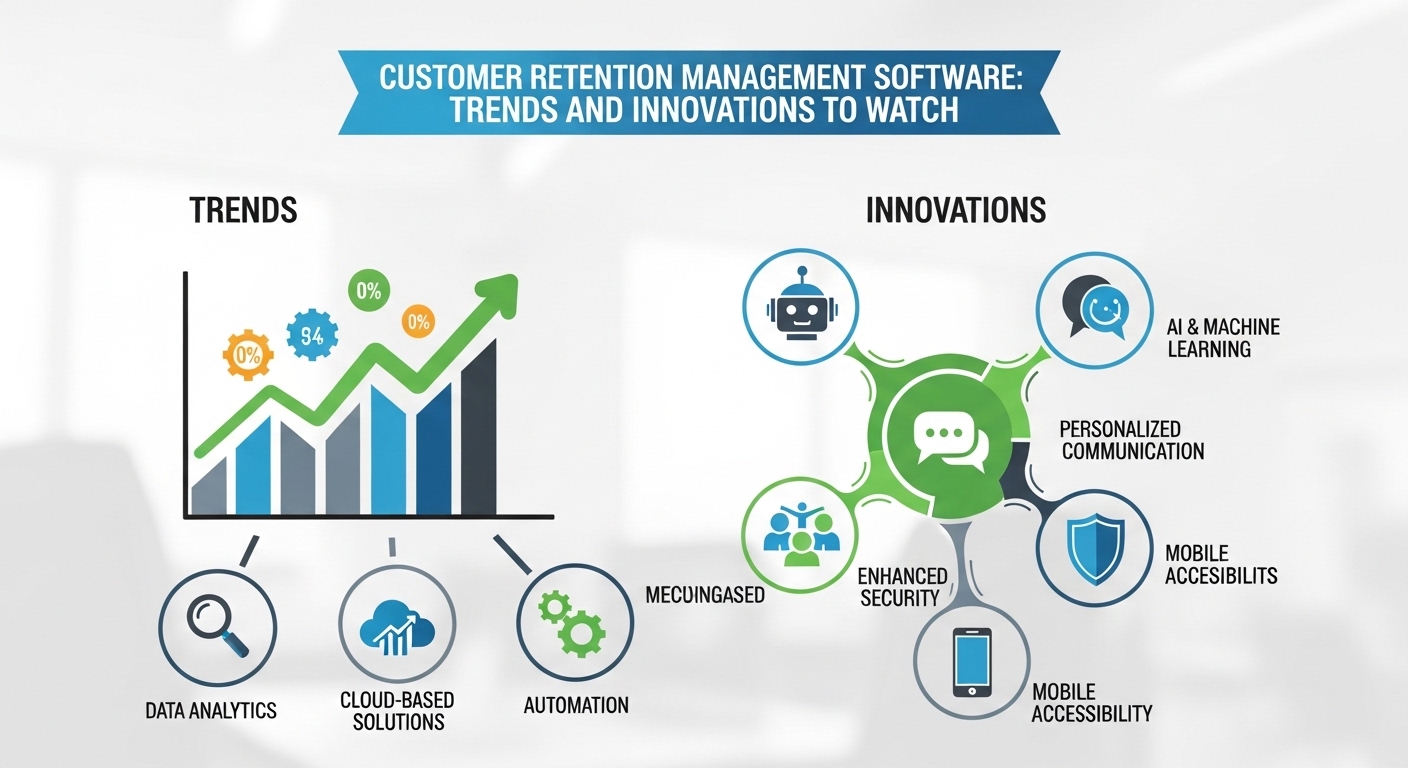
In today’s competitive business landscape, companies are increasingly recognizing that retaining existing customers is more cost-effective than acquiring new ones. As a result, customer retention management software has emerged as a critical investment for businesses aiming to enhance loyalty, reduce churn, and boost long-term profitability. But as customer expectations evolve and technologies advance rapidly, the world of retention software is also transforming. This article explores the key trends and innovations shaping the future of customer retention, including the growing influence of customer experience analytics, artificial intelligence, and hyper-personalized engagement strategies.
Why Customer Retention Matters More Than Ever
Before delving into trends, it’s important to understand why customer retention remains a strategic priority. Retained customers typically:
- Spend more over time, increasing customer lifetime value (CLV)
- Purchase across multiple product lines
- Refer others through positive word-of-mouth
- Cost less to engage than acquiring new customers
Effective customer retention management software enables businesses to monitor customer behavior, automate targeted communication, and better understand loyalty drivers. These capabilities help companies shift from reactive engagement to proactive relationship building, laying the foundation for sustainable growth.
Trend 1: AI-Powered Predictive Insights
One of the most impactful trends in customer retention management software is the integration of artificial intelligence (AI) and machine learning. These technologies empower systems to analyze vast amounts of customer data and uncover patterns that humans might overlook.
AI-powered predictive analytics enables businesses to:
- Anticipate which customers are at risk of churning
- Identify high-value segments likely to make repeat purchases
- Recommend the optimal timing and type of engagement
By forecasting customer behavior, companies can deploy retention strategies before dissatisfaction turns into churn. This predictive capability, often informed by customer experience analytics, is transforming how organizations manage customer relationships.
Trend 2: Real-Time Personalization
Today’s consumers expect personalization at every touchpoint. Generic campaigns simply do not resonate in an era where tailored digital experiences are the norm. Modern customer retention management software is enabling real-time personalization by drawing on data from CRM systems, browsing behavior, purchase history, and engagement metrics.
Brands can now dynamically tailor:
- Email content based on recent activity
- On-site recommendations during browsing sessions
- Offers and incentives aligned with past purchases
This level of personalization makes interactions feel more relevant and meaningful, fostering deeper loyalty and increased engagement.
Trend 3: Integration of Customer Experience Analytics
Understanding customer needs and behavior is essential for effective retention. This is where customer experience analytics plays a major role. Rather than just tracking transactions, these analytics platforms interpret customer sentiment, preferences, and engagement across multiple channels. When integrated with retention software, customer experience analytics provides a 360-degree view of the customer journey.
This integration allows companies to:
- Pinpoint friction points in the customer journey
- Analyze sentiment from support interactions, feedback, and social media
- Optimize strategies based on loyalty indicators such as Net Promoter Scores (NPS)
Together, retention software and experience analytics help businesses convert insights into action—whether through tailored offers or improvements to service experiences.
Trend 4: Unified Customer Profiles
Another emerging innovation is the creation of unified customer profiles. Instead of fragmented data stored across separate systems, modern platforms consolidate information into a single, comprehensive view. This includes purchase history, engagement touchpoints, support tickets, preferences, and feedback.
Unified profiles help teams:
- Understand customer context instantly
- Avoid redundant or conflicting communication
- Improve cross-department collaboration
With unified profiles, marketers, support teams, and product managers can align their efforts, ensuring a more cohesive and consistent experience for the customer.
Trend 5: Omni-Channel Retention Orchestration
Customers engage with brands across a growing array of channels—email, mobile apps, social media, chatbots, and more. Retention strategies must be orchestrated across all these channels to be effective.
Next-generation customer retention management software enables omni-channel automation, which means businesses can:
- Trigger engagement sequences based on behavior across channels
- Ensure consistent messaging whether a customer interacts via email or social media
- Reconnect with customers who drop off in one channel through another touchpoint
This seamless orchestration enhances the customer journey and increases the likelihood of repeat engagement.
Trend 6: Subscription Economy Optimization
With the rise of subscription-based business models, customer retention has taken on new urgency. Churn directly impacts recurring revenue, making it essential for companies to monitor membership activity and engagement closely.
Customer retention management software is evolving to support subscription businesses by:
- Identifying early indicators of subscription cancellation
- Offering tailored incentives to retain subscribers
- Monitoring usage patterns to adjust service tiers or offer upgrades
By proactively addressing subscriber needs, businesses can reduce churn and maximize recurring revenue.
Trend 7: Voice of the Customer (VoC) Feedback Loops
Listening to customers remains a powerful tool for retention. Voice of the Customer (VoC) initiatives collect feedback through surveys, reviews, support interactions, and other channels. When integrated with retention software, VoC data becomes actionable.
Innovations in this area include:
- Automated sentiment tagging using natural language processing (NLP)
- Closed-loop feedback workflows that trigger follow-up actions
- Correlating feedback trends with churn probabilities
This approach ensures that customer feedback doesn’t just get collected—it drives strategic decisions that enhance satisfaction and loyalty.
Trend 8: Mobile-First Retention Strategies
Given the ubiquity of smartphones, mobile engagement has become a cornerstone of customer retention. Advanced retention platforms now focus on delivering personalized mobile experiences, such as:
- In-app notifications triggered by engagement behavior
- Mobile loyalty program integration
- SMS campaigns that complement email marketing
Mobile-first strategies ensure that retention initiatives reach customers where they spend the majority of their time.
Trend 9: Customer Journey Mapping Tools
Understanding the customer journey reinforces retention strategies profoundly. Journey mapping tools visualize every touchpoint—from discovery to repeat purchase—making it easier to spot opportunities and bottlenecks.
Modern platforms now provide interactive journey maps that allow businesses to:
- Identify key drop-off points
- Tailor engagement based on where customers are in their lifecycle
- Track the effectiveness of retention campaigns over time
This enhances strategic planning and ensures smoother customer experiences.
Trend 10: Ethical Data Practices and Privacy
As customer data becomes more central to retention efforts, ethical data use and privacy protection are critical. Brands that prioritize transparent data practices and comply with regulations such as GDPR and CCPA build customer trust.
Future retention technologies will increasingly:
- Offer opt-in personalization features
- Provide clear data usage disclosures
- Ensure secure handling of customer information
Prioritizing privacy not only meets regulatory requirements but also reinforces customer confidence.
Final Thoughts
The evolution of customer retention management software is both exciting and essential for businesses looking to thrive in a customer-centric economy. From AI-driven insights to omni-channel orchestration and deep integration with customer experience analytics, the latest trends are transforming retention strategies into strategic advantages.
By embracing these innovations, companies can deliver personalized experiences, deepen loyalty, optimize engagement costs, and ultimately drive higher ROI. Staying ahead of these trends ensures that your business not only retains customers more effectively but also builds long-lasting relationships that fuel growth well into the future.
-

 Travel5 months ago
Adventure-Filled Best Family Road Trip Destinations Families Love
-

 Business4 months ago
Understanding Asbestos Trust Funds and Compensation
-
 Technology5 months ago
GlarklyHub: Fostering Innovation and Connection Among Members
-
 Technology5 months ago
Sosoactive: The Future of Digital Engagement and Authentic Social Connectivity
-

 Life Style4 months ago
Who is Monika Leveski? A Day in the Life of a Rising Star
-
 Blog5 months ago
Onnilaina: The Future of Fast and Secure Online Loans 2025-2026
-
 Food5 months ago
Calamariere: The Complete Guide to Italy’s Iconic Seafood Delicacy
-
 Blog6 months ago
UnbannedG+: A Community Reborn and What It Means for Users