Health
Foenegriek: The Ancient Herb with Nutritional Healthy Benefits Uses


Foenegriek, also known as fenugreek, is a remarkable herb that has captivated cultures for centuries. With its distinct flavor and numerous health benefits, this ancient plant continues to make waves in both culinary and medicinal circles. But what exactly makes foenegriek so special? As we journey through its rich history and nutritional profile, you’ll discover why this little seed deserves a prominent spot in your pantry—and perhaps even your medicine cabinet. Join us as we explore the many ways foenegriek can enhance your life!
Historical Background and Origin of Foenegriek
Foenegriek, known as fenugreek in English, has roots that stretch back thousands of years. This herb is believed to have originated in the Mediterranean region and parts of Asia. Its use dates back to ancient civilizations.
Egyptians prized foenegriek for both culinary and medicinal purposes. They even included it in burial rituals, showcasing its cultural significance.
The Greeks and Romans also recognized its value; they used it as a natural remedy for various ailments.
As trade routes expanded, foenegriek made its way into Indian cuisine where it became a staple ingredient in many dishes. Today, it’s celebrated worldwide for its flavor and health benefits.
The journey of this humble herb highlights the interconnectedness of cultures through history. Foenegriek continues to thrive across continents while maintaining its rich heritage.
Nutritional Value of Foenegriek
Foenegriek, commonly known as fenugreek, is a powerhouse of nutrition. This ancient herb packs a punch with its impressive profile.
Rich in protein and fiber, foenegriek is an excellent choice for those seeking to enhance their diet. Just one tablespoon offers about 35 calories, making it a low-calorie option packed with benefits.
Vitamins such as A, B6, C, and K are abundant in this herb. These vitamins play crucial roles in maintaining overall health. Minerals like iron, magnesium, and manganese found in foenegriek contribute to strong bones and robust metabolic functions.
Moreover, the presence of antioxidants helps combat oxidative stress within the body. This makes foenegriek not just nutritious but also protective against various ailments.
Incorporating this herb into your meals can elevate both flavor and health benefits significantly.
Health Benefits of Foenegriek
Foenegriek, often known as fenugreek, is a powerhouse of health benefits. This ancient herb has been praised for its ability to support digestive health. It can help soothe upset stomachs and reduce bloating.
Another notable advantage of foenegriek is its impact on blood sugar levels. Studies suggest it may improve insulin sensitivity, making it beneficial for those managing diabetes.
Moreover, foenegriek is rich in antioxidants. These compounds combat oxidative stress in the body, promoting overall wellness and vitality.
Women particularly benefit from this herb during menstrual cycles may alleviate discomfort and regulate hormonal balance.
Additionally, it’s thought to enhance milk production in breastfeeding mothers, offering nourishment for both mother and child.
With such diverse advantages, integrating into your diet could be an empowering step toward better health.
Culinary Uses of Foenegriek in Different Cultures
Foenegriek, also known as fenugreek, serves a prominent role in various cuisines around the world. In Indian cooking, it features both as whole seeds and dried leaves. Its nutty flavor enhances curries, dals, and pickles.
Middle Eastern dishes often utilize to add depth to breads and pastries. It’s common in spice blends like za’atar or dukkah, enriching everything from dips to roasted meats.
In North African cuisine, particularly Moroccan tagines, foenegriek lends an earthy tone that complements spices such as cumin and coriander.
Even in Mediterranean diets, this herb appears in certain sauces and stews for its unique aroma.
Its versatility extends beyond savory dishes; some cultures incorporate into sweet recipes. Cookies or desserts benefit from a hint of its warm taste. Each cultural use highlights the herb’s adaptability and rich flavor profile.
Medicinal Uses of Foenegriek in Traditional Medicine
Foenegriek has been a staple in traditional medicine for centuries. Various cultures have harnessed its healing properties to treat numerous ailments.
In Ayurvedic practices, foenegriek is often used to balance doshas and improve digestion. Its anti-inflammatory effects make it valuable for soothing digestive disorders and enhancing overall gut health.
Traditional Chinese Medicine also recognizes the benefits of this herb, applying it to support lactation in new mothers. The seeds are believed to boost milk production while providing essential nutrients.
Moreover, rich antioxidant profile helps combat oxidative stress, which can lead to chronic diseases. Many herbalists recommend it as a natural remedy for respiratory issues and skin conditions like eczema.
This ancient herb continues to hold significance in holistic approaches today, reflecting the enduring wisdom of traditional remedies passed down through generations.
Modern Day Applications of Foenegriek
Today, foenegriek is making waves in the health and wellness industry. It’s no longer just an ancient herb; it’s gaining recognition as a superfood.
Nutritional supplements containing foenegriek are increasingly popular. They come in various forms, including capsules and powders, catering to those seeking convenient ways to boost their diet.
In the culinary world, chefs embrace foenegriek for its unique flavor profile. It’s used not only in traditional dishes but also in modern fusion cuisine, enhancing everything from sauces to smoothies.
Moreover, skincare products infused with extract are emerging on the market. Its natural properties can nourish and rejuvenate skin, appealing to beauty enthusiasts looking for holistic solutions.
Fitness enthusiasts appreciate this herb too. Foenegriek’s potential benefits for blood sugar regulation and metabolism make it a favorite among those striving for optimal health and performance.
How to Incorporate Foenegriek into your Life
Incorporating foenegriek into your daily routine can be both simple and rewarding. Start by adding the seeds to your morning smoothie. They blend well, providing a nutty flavor and an extra boost of nutrition.
For those who enjoy cooking, consider using ground in spice blends or marinades. It pairs beautifully with meats, vegetables, and even lentils.
You might also explore foenegriek tea for a warm beverage option. Steep the seeds in hot water for a soothing drink that supports digestion.
If you’re feeling adventurous, sprinkle some on salads or roasted veggies to elevate their taste profile.
Don’t overlook supplements if you’re looking for convenience; they offer all the benefits without altering your meals significantly. Experiment with these ideas to discover how this ancient herb can enhance various aspects of your life effortlessly!
Conclusion
Foenegriek, often known as fenugreek, has a rich history and an impressive nutritional profile. This ancient herb offers numerous health benefits that make it a valuable addition to any diet. Its culinary versatility allows for creative uses in various dishes across cultures. Whether used in traditional medicine or modern applications, foenegriek continues to prove its worth.
Incorporating into your daily routine can be easy and rewarding. From adding seeds to curries and salads to brewing it as tea, the options are plentiful. The journey of exploring this remarkable herb can lead you toward enhanced well-being and flavor experiences.
Embracing foenegriek may introduce new dimensions not only to your meals but also to your overall health regimen. With its profound historical significance and contemporary relevance, it’s clear that is more than just an herb; it’s a powerhouse of nutrients waiting to enrich our lives.


For many Australians navigating the challenges of tooth loss, the transition to traditional dentures can be met with a mixture of relief and frustration. While conventional plates provide a structural solution, they often lack the security required for a truly spontaneous life. The sensation of a slipping lower plate during a Sunday barbecue or the discomfort of sore spots after a long day are common grievances. However, a revolutionary shift in restorative dentistry is transforming the landscape: the overdenture. This hybrid solution combines the simplicity of dentures with the unwavering stability of dental implants, offering a foundation that Australians can finally trust.
The Mechanics of Superior Retention
Unlike traditional dentures that rest solely on the gum tissue and rely on suction or messy adhesives, overdentures are anchored by dental implants. Usually, two to four titanium posts are strategically placed into the jawbone, acting as artificial roots. The denture then “snaps” onto these anchors using specialized attachments. This creates a mechanical lock that prevents the prosthetic from shifting or lifting. For the wearer, this means the end of clicking sounds when speaking and the return of a biting force that mimics natural teeth, allowing for a more diverse and nutritious diet.
Enhancing Quality of Life and Confidence
The psychological impact of a secure smile cannot be overstated. In a culture that prizes outdoor socialising and active community engagement, having a smile that stays in place is paramount. Overdentures provide a level of aesthetic naturalism that boosts self-esteem, but the benefits run deeper than surface appearance. Because the implants stimulate the jawbone, they help prevent the bone resorption that typically follows tooth loss. This preservation of the bone structure helps maintain the natural shape of the face, preventing the “sunken” look often associated with long-term traditional denture wear.
Flexible Overdentures for Active Lifestyles
As the Australian population remains active well into their senior years, the demand for dental solutions that keep pace with a busy schedule has grown. Whether it is hiking in the Blue Mountains, swimming at Bondi, or travelling across the Outback, patients require restorations that are both durable and comfortable. Modern materials have paved the way for flexible overdentures for active lifestyles, which offer a lighter feel without compromising on the robust retention provided by the implant studs. These advancements ensure that the hardware of your smile never dictates the pace of your day.
Simple Maintenance for Long-Term Success
One of the most appealing aspects of overdentures for the Australian patient is the ease of hygiene. Most overdentures are designed to be removable, allowing the wearer to snap them out at night for thorough cleaning. This ensures that both the prosthetic and the gum tissue around the implant sites remain healthy and free from infection. By maintaining a simple daily cleaning routine and attending regular check-ups with a local dental professional, these life-changing devices can provide a decade or more of reliable service, making them a cost-effective investment in long-term health.
A New Standard in Restorative Care
The move toward implant-supported solutions represents a significant leap forward in how we approach oral rehabilitation. By eliminating the instability of the past, Australians are regaining their ability to laugh, eat, and speak with total freedom. The integration of digital scanning and 3D precision milling ensures that every overdenture is custom-fitted to the unique contours of the individual’s mouth, resulting in a fit that is far superior to the “one-size-fits-most” approach of yesteryear.
As we look at the trajectory of clinical excellence, it is clear that the industry is moving toward even more patient-centric innovations. These developments are not just about hardware, but about the seamless integration of biology and technology. This evolution represents the future of Australia’s dental care, ensuring that the next generation of patients will enjoy even higher levels of comfort and functionality. For those ready to leave the world of adhesives and instability behind, overdentures offer a proven path to a renewed sense of stability and a life lived without dental compromise.

Naera F biomedical engineer Canada is a search phrase that reflects growing interest in professionals working at the intersection of engineering, healthcare, and innovation. Biomedical engineering is one of the fastest-growing scientific fields in Canada, and names associated with it often attract attention because of the sector’s impact on modern medicine. This article explores the context, career landscape, academic pathways, and professional relevance surrounding Naera F biomedical engineer Canada, while also shedding light on what it means to work as a biomedical engineer in the Canadian ecosystem.
Before focusing on Naera F biomedical engineer Canada, it is important to understand the profession itself. Biomedical engineers apply engineering principles to solve problems in biology and medicine. Their work supports healthcare by improving diagnostic tools, medical devices, prosthetics, imaging systems, and treatment technologies.
In Canada, biomedical engineers are involved in hospitals, research institutions, universities, startups, and large healthcare technology companies. The profession is known for combining technical expertise with compassion-driven innovation.
Academic Pathway Behind Naera F Biomedical Engineer Canada
A career associated with Naera F biomedical engineer Canada typically begins with strong academic foundations. Biomedical engineers usually pursue degrees in biomedical engineering, bioengineering, or related fields such as electrical or mechanical engineering with a biomedical focus.
Canadian universities emphasize interdisciplinary education, combining engineering coursework with biology, anatomy, and medical sciences. This academic structure prepares professionals to bridge the gap between clinical needs and technical solutions.
Why Biomedical Engineering Is Growing in Canada
The rising interest in Naera F biomedical engineer Canada aligns with the overall growth of biomedical engineering nationwide. Canada’s healthcare system places strong emphasis on research, innovation, and patient-centered care, creating demand for skilled biomedical engineers.
Factors contributing to this growth include:
-
Aging population and medical device demand
-
Investment in healthcare research and innovation
-
Expansion of digital health and medical technologies
-
Collaboration between universities and healthcare institutions
These factors make Canada an attractive environment for professionals in this field.
Research and Innovation Linked to Naera F Biomedical Engineer Canada
Research is a core component of biomedical engineering. Professionals associated with Naera F biome-dical engineer Canada may engage in research focused on improving patient outcomes, developing new medical devices, or enhancing diagnostic accuracy.
Canadian research culture supports innovation through grants, interdisciplinary labs, and partnerships between academia and industry. This environment encourages biomedical engineers to turn ideas into practical healthcare solutions.
Skills That Define Naera F Biomedical Engineer Canada
The skill set behind Naera F biomedi-cal engineer Canada reflects both technical and analytical strengths. Biomedical engineers are expected to master engineering fundamentals while understanding biological systems.
Key skills often include:
-
Problem-solving and critical thinking
-
Data analysis and modeling
-
Medical device design and testing
-
Communication with healthcare professionals
These skills allow biomedical engineers to work effectively in multidisciplinary teams.
Professional Opportunities for Biomedical Engineers in Canada
The phrase Naera F biomedic-al engineer Canada also reflects the wide range of career opportunities available in the country. Biomedical engineers can work in areas such as:
-
Medical device manufacturing
-
Clinical engineering in hospitals
-
Research and development
-
Regulatory affairs and quality assurance
-
Health technology startups
Canada’s strong regulatory framework ensures that biomedical engineers play a vital role in safety, compliance, and innovation.
Impact of Biomedical Engineers on Healthcare
The work connected to Naera F biomedi-al engineer Canada highlights how biomedical engineers directly influence patient care. From designing imaging equipment to improving prosthetic devices, their contributions affect diagnosis, treatment, and rehabilitation.
Biomedical engineers often collaborate with doctors and nurses, translating clinical challenges into technical solutions. This collaboration ensures that technology remains patient-focused and effective.
Ethics and Responsibility in Biomedical Engineering
Ethical responsibility is central to biomedical engineering. Professionals linked to Naera F biomed-ical engineer Canada must consider patient safety, data privacy, and long-term impacts of medical technologies.
Canadian institutions emphasize ethical training, ensuring that biomedical engineers balance innovation with responsibility. This ethical foundation strengthens public trust in healthcare technology.
Digital Health and the Future of Biomedical Engineering
Digital health is shaping the future of biomedical engineering in Canada. The interest in Naera F biomedi-cal engineer Canada also reflects the growing integration of software, artificial intelligence, and data analytics into healthcare systems.
Biomedical engineers are increasingly involved in:
-
Wearable health devices
-
Telemedicine platforms
-
AI-driven diagnostic tools
-
Personalized medicine technologies
These advancements expand the scope and influence of biomedical engineering.
Why Names Like Naera F Biomedical Engineer Canada Gain Attention
Names associated with specialized professions often attract curiosity because they represent expertise and contribution. Naera F biome-dical engineer Canada symbolizes professional dedication within a respected and impactful field.
Search interest may come from academic recognition, professional networking, or public curiosity about individuals working in advanced healthcare roles.
Challenges Faced by Biomedical Engineers in Canada
Despite opportunities, biomedical engineers also face challenges. Those associated with Naera F biom-edical engineer Canada may navigate complex regulatory requirements, rapid technological change, and interdisciplinary communication barriers.
However, these challenges also drive innovation and continuous learning, making the profession dynamic and rewarding.
Contribution to Canada’s Innovation Ecosystem
Biomedical engineers contribute significantly to Canada’s innovation ecosystem. The professional identity behind Naera F bio-medical engineer Canada reflects how individuals help position Canada as a leader in healthcare technology.
Through research, entrepreneurship, and collaboration, biomedical engineers strengthen the country’s global reputation in medical innovation.
Conclusion
In conclusion, Naera F biome-dical engineer Canada represents more than a name—it reflects the broader landscape of biomedical engineering in Canada. This field combines science, engineering, and healthcare to improve lives and advance medical technology.
As Canada continues to invest in health innovation, biomedical engineers will remain essential contributors. Interest in names like Naera F highlights society’s growing recognition of professionals who work behind the scenes to shape the future of healthcare.
By Robin Williams
The life of a modern student-athlete is a high-stakes balancing act. Whether you are prepping for SAT/ACT exams, chasing an NCAA scholarship, or training to hit a new PR in the squat rack, your most valuable asset isn’t just physical grit—it’s cognitive clarity.
Mental clarity is the state of being sharp and free from “brain fog.” As a coach, I’ve seen that high-performers don’t just “find” focus; they build it through repeatable systems. Here are five habits to optimize your brain for the classroom and the weight room.
1. Master “Deep Work” and Strategic Outsourcing
In an era of endless TikTok notifications, attention spans are under siege. Many students fall into the trap of “pseudo-working”—spending four hours at a desk but only accomplishing thirty minutes of actual prep.
To combat this, I recommend Deep Work. This involves distraction-free concentration that pushes your cognitive capabilities to their limit.
- The 90-Minute Rule: Set a timer for 90 minutes of uninterrupted study. No phone, no social media.
- Managing the Load: High-performers know that “doing it all” is a myth that leads to burnout. If an overwhelming pile of coursework—like a complex research paper or a heavy stats project—becomes a mental bottleneck that prevents you from hitting the gym, it is time to delegate. Utilizing professional academic help can be a strategic move to regain your mental bandwidth. By offloading the stress of crushing deadlines, you preserve the energy required for your core athletic goals and recovery.
2. Prioritize “Sleep Hygiene” for Neuroplasticity
Pulling an all-nighter is the fastest way to kill your gains and your GPA. During sleep, your brain undergoes glymphatic clearance—a biological “car wash” that flushes out metabolic waste.
- Digital Sunset: Turn off blue-light screens 60 minutes before bed to protect your melatonin production.
- The Cool-Down: Keep your room at 18°C (65°F). A cooler core temperature facilitates deeper REM sleep, which is essential for memory consolidation and muscle repair.
3. Implement Physical Priming & BDNF Boosts
There is a profound connection between the barbell and the brain. Physical activity increases Brain-Derived Neurotrophic Factor (BDNF), a protein that supports neuron survival.
$$\text{Exercise} \rightarrow \uparrow \text{BDNF} \rightarrow \text{Improved Synaptic Plasticity}$$
- The “Study-Sprint” Break: For every hour of desk work, perform 5 minutes of movement (air squats or a brisk walk). This resets your nervous system and clears the “stagnation fog” that settles in after long periods of sitting. If you’re curious about how these movement breaks objectively impact cognitive performance, tracking your own focus levels could make for one of many compelling Statistics project ideas for your next academic assignment.
4. Optimize Nutrition for Sustained Focus
The mid-afternoon “crash” is usually a blood sugar issue. To maintain a sharp edge during a late-period chemistry lab or a sunset practice, you must fuel correctly.
- Strategic Caffeine: Delay your first cup of coffee by 90–120 minutes after waking. This allows your natural cortisol levels to peak and dip properly, preventing the dreaded 2:00 PM crash.
- Omega-3 Loading: Brain tissue is nearly 60% fat. Incorporate salmon, chia seeds, or walnuts to maintain the structural integrity of your brain cells.
5. Practice the “Evening Brain Dump”
Mental clutter is the enemy of focus. When you have “open loops”—like an upcoming midterm or a technical flaw in your deadlift—your cognitive load increases, leading to “decision fatigue.”
- The Dump: Before bed, write down every task, worry, or “to-do.” Getting it on paper signals to your brain that it no longer needs to expend energy “remembering” these items.
- The Power 3: Every morning, identify only the three most important tasks (e.g., Finish Essay, Heavy Leg Day, Review Bio Notes). Focus on these before checking email or social media.
Daily Performance Checklist for Student-Athletes
| Habit | Goal | Benefit |
| Deep Work | 90 Mins | Maximum retention, less “busy work” |
| Cold Sleep | 18°C (65°F) | Faster muscle & cognitive recovery |
| BDNF Boost | 5-Min Move | Clears brain fog and resets focus |
| Brain Dump | Post-Study | Reduces anxiety and improves sleep |
Frequently Asked Questions
Q.1 How does physical exercise actually improve studying?
Exercise releases BDNF, which acts like “Miracle-Gro” for your brain. It helps repair brain cells and facilitates the growth of new ones in the hippocampus, the area responsible for memory and learning.
Q.2 Can I use caffeine to replace sleep during finals week?
No. Caffeine blocks adenosine (the “sleepiness” signal) but doesn’t clear out metabolic waste. Relying on it leads to a “sleep debt” that drastically reduces your ability to retain complex information for exams.
Q.3 How can I manage my GPA when my training schedule gets intense?
The key is the 80/20 Rule. Focus on the 20% of tasks that yield the most results. If academic pressure begins to compromise your physical health or sleep, using reputable academic resources can help you maintain your grades without sacrificing your training consistency.
About the Author
Robin Williams is a high-performance coach specializing in the intersection of physical training and cognitive optimization. With over a decade of experience coaching US student-athletes, Robin focuses on evidence-based routines that help high-achievers balance rigorous academic demands with elite performance.

In today’s digital era, people increasingly rely on online platforms to learn about wellness, lifestyle improvement, and health-related topics. One platform that has gained attention in this space is health threetrees com vn. As users search for trustworthy and accessible health content, health threetrees com vn has emerged as a recognizable keyword associated with digital health awareness and informational resources.
This article provides a comprehensive overview of health threetrees com vn, its purpose, features, benefits, and relevance in the modern online health ecosystem.
What Is Health Threetrees Com Vn and Why Is It Important?
Health three-trees com vn is commonly associated with health-focused digital content that aims to inform users about wellness, daily health habits, and lifestyle-related topics. The growing interest in this platform reflects a broader shift toward online health education.
The importance of health three-trees com vn lies in its accessibility. It allows users to explore health-related information conveniently, making it easier to stay informed in a fast-paced digital world.
The Core Concept Behind Health Threetrees Com Vn
At its core, health three-trees com vn focuses on sharing knowledge that supports healthier living. Rather than replacing professional advice, it serves as an informational resource that encourages awareness and better understanding of general health topics.
The platform concept emphasizes clarity, simplicity, and relevance. By presenting content in an approachable manner, health three-trees com vn appeals to a broad audience seeking guidance on maintaining a balanced lifestyle.
Key Features of Health Threetrees Com Vn
Understanding the main features of health three-trees com vn helps explain why it continues to attract interest.
Informative Content on Health Threetrees Com Vn
Health three-trees com vn offers content designed to educate readers about everyday health topics. This includes general wellness information that supports informed decision-making.
User-Friendly Structure of Health Threetrees Com Vn
Another notable feature of health three-trees com vn is its user-friendly layout. Clear organization allows users to navigate topics easily without feeling overwhelmed.
Consistent Updates and Relevance
Consistency is essential in digital platforms, and health three-trees com vn maintains relevance by focusing on topics that align with current health interests and trends.
Benefits of Using Health Threetrees Com Vn for Health Awareness
The advantages of health three-trees com vn extend beyond information access, supporting broader health awareness goals.
Easy Access to Health Knowledge
Health three-trees com vn makes health-related information accessible to users who may not have time for in-depth research, promoting everyday awareness.
Encouragement of Healthy Habits
By highlighting wellness topics, health three-trees com vn encourages users to think more consciously about daily habits and lifestyle choices.
Support for Preventive Awareness
Preventive awareness is a key aspect of general wellness, and health three-trees com vn contributes by sharing educational content that emphasizes prevention and balance.
How Health Threetrees Com Vn Fits into Modern Digital Health Trends
The rise of health three-trees com vn reflects broader trends in digital health consumption. More people now seek online resources for guidance, motivation, and learning.
Health three-trees com vn aligns with trends such as:
-
Increased interest in wellness education
-
Digital-first health awareness
-
Self-education and lifestyle improvement
-
Mobile-friendly health content
These trends help explain the platform’s growing visibility.
The Role of Health Three-trees Com Vn in Online Communities
Online communities play an important role in spreading health awareness, and health three-trees com vn benefits from shared interest and engagement. As users discuss and reference health-related topics, awareness naturally expands.
Community-driven engagement supports trust and encourages more people to explore informational resources connected to health three-trees com vn.
Considerations When Using Health Three-trees Com Vn
While health three-trees com vn provides useful informational content, users should approach online health resources thoughtfully.
Important considerations include:
-
Using the content for educational purposes only
-
Avoiding self-diagnosis based solely on online information
-
Consulting professionals for personalized medical advice
Responsible use ensures that health three-trees com vn remains a helpful supplementary resource.
Future Outlook of Health Three-trees Com Vn
The future of health three-trees com vn appears promising as interest in digital health information continues to grow. As more people prioritize wellness and preventive care, platforms offering accessible knowledge are likely to remain relevant.
With continued focus on clarity and reliability, health three-trees com vn can strengthen its position as a recognizable health-related digital keyword.
Conclusion
In conclusion, health three-trees com vn represents a growing presence in the digital health information space. Its focus on accessibility, general wellness education, and user-friendly content makes it a valuable resource for health-conscious individuals.
By understanding the purpose, benefits, and limitations of health three-trees com vn, users can make informed choices and use the platform responsibly as part of a broader approach to healthy living.

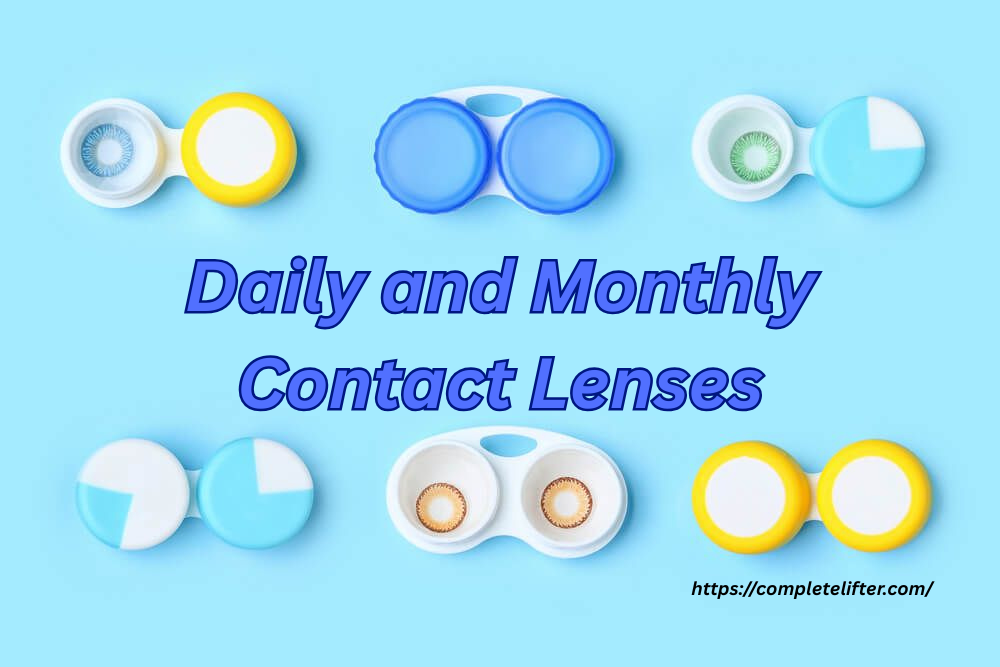
Choosing the right contact lenses can be confusing, especially for those new to lens wear. Two of the most common options are daily and monthly contact lenses. Both provide clear vision, but they differ in comfort, convenience, hygiene, cost, and suitability for different lifestyles. Understanding these differences can help you make an informed decision for your eye health.
What Are Daily Contact Lenses?
Daily lenses are designed for single use. You wear a fresh pair each morning and dispose of them at night. There is no cleaning or storage required, which makes them extremely convenient and hygienic.
Because each lens is used only once, there is minimal risk of protein build-up, dust, or bacteria, reducing eye irritation and infections. Many first-time users find daily contact lenses easier to manage because there’s no care routine to follow.
Daily lenses are also ideal for occasional wearers, travelers, or people with busy schedules who want a hassle-free solution.
What Are Monthly Contact Lenses?
Monthly lenses are designed to be worn daily for up to 30 days. After each use, they must be cleaned with solution and stored in a proper case. With correct care, monthly lenses provide consistent comfort and clear vision throughout the month.
These lenses are cost-effective for full-time wearers. Made from breathable materials, they allow oxygen to reach the eyes, supporting long-term eye health. For users comfortable with regular lens care, monthly contact lenses are a practical and economical choice.
Comfort and Eye Health
Comfort is crucial for contact lens wearers. Daily lenses feel fresh every day because you start with a brand-new pair, minimizing dryness and irritation. This is especially helpful for long hours of screen time or outdoor activities.
Monthly lenses can also be comfortable, particularly modern silicone hydrogel lenses. However, comfort depends on proper cleaning and timely replacement. Users who occasionally experience dryness may find daily lenses more reliable for long-day comfort.
Hygiene is another important factor. Daily lenses are generally considered the most hygienic option because they are never reused. Monthly lenses are safe as long as cleaning routines are followed, but improper care can lead to deposits, irritation, or infections.
Cost Comparison
Cost is a major consideration for many users. Daily lenses may seem more expensive initially because a new pair is used every day. However, for occasional wearers, daily lenses can actually save money since you only use them when needed.
Monthly lenses are typically more cost-effective for daily wearers. One pair lasts an entire month, reducing the need for frequent purchases. It’s important to factor in the additional cost of lens solution and cases when calculating monthly lens expenses.
Convenience and Lifestyle Fit
Daily lenses offer unmatched convenience. There’s no cleaning or storage, making them perfect for travelers, busy professionals, students, or anyone who wants a no-fuss option.
Monthly lenses require care and routine. You need to clean and store them correctly and replace them after 30 days. Users who don’t mind a simple care routine and prefer affordability often choose monthly lenses.
Environmental Considerations
Daily lenses create more waste because a new pair is discarded every day. Monthly lenses generate less waste since one pair lasts the whole month, although cleaning solution is required. For environmentally conscious users, monthly lenses may be the better choice.
Best Option for Beginners
If you are new to contact lenses, daily lenses are often easier to start with. They require minimal effort, no cleaning skills, and reduce the risk of improper use. Beginners can gain confidence with daily lenses and later transition to monthly lenses if desired.
Making the Right Choice
Choosing between daily and monthly lenses depends on your lifestyle, budget, and eye sensitivity.
- Choose daily lenses if you want convenience, maximum hygiene, and minimal maintenance. They are ideal for first-time users, travelers, or occasional lens wearers.
- Choose monthly lenses if you wear contacts daily, want to save money, and are comfortable following a care routine. They are perfect for regular users looking for an affordable and sustainable option.
Both types of lenses are safe and effective when used correctly. Understanding your habits and eye needs will help you pick the right solution for clear, comfortable vision. Read More

We’ve all been there: you’re getting ready for work when suddenly your child wakes up with a fever, or an elderly parent has a fall and needs your immediate help. In these moments, your priority shifts instantly from your job to your loved ones. But what does that mean for your paycheck and your employment security?
This is where carer’s leave steps in. It’s a vital safety net designed to help Australian employees balance their professional duties with their personal responsibilities. Yet, many workers remain unsure about the specifics. Who counts as “immediate family”? How much leave do you actually get? And most importantly, what evidence do you need to provide to your boss?
This guide breaks down everything you need to know about carer’s leave in Australia, from understanding your entitlements under the National Employment Standards (NES) to getting the necessary paperwork sorted quickly—so you can focus on what matters most.
What is Carer’s Leave?
Carer’s leave is a specific type of personal leave that allows employees to take time off work to care for an immediate family member or someone living in their household. This leave is applicable when that person is sick, injured, or experiencing an unexpected emergency.
The provision for this leave is embedded in the National Employment Standards (NES). These standards act as the minimum safety net for all employees in the Australian workplace system, governed by the Fair Work Act 2009. This legislation ensures that you have the right to prioritize the health and wellbeing of your loved ones without fear of losing your job.
It is important to distinguish between the different types of employees:
- Permanent employees (full-time and part-time): You have access to paid carer’s leave. If you run out of paid leave, you also have access to unpaid carer’s leave.
- Casual employees: You are entitled to unpaid carer’s leave.
Who Can You Take Carer’s Leave For?
A common misconception is that you can only take carer’s leave for your children. In reality, the definition of who you can care for is quite broad. You can take this leave to provide support to a member of your immediate family or household.
According to the Fair Work Ombudsman, an immediate family member or household member includes:
- Spouse or former spouse
- De facto partner or former de facto partner
- Child (including adopted, step, or ex-nuptial children)
- Parent (including step-parents)
- Grandparent
- Grandchild
- Sibling
- In-laws: This covers the child, parent, grandparent, grandchild, or sibling of the employee’s spouse or de facto partner.
- Household members: Any person who lives with the employee, regardless of whether they are related by blood or marriage.
Your Entitlements: How Much Leave Do You Get?
Your entitlement to paid carer’s leave depends on your employment status and how long you have been working for your employer.
Accrual for Permanent Employees
Carer’s leave comes out of your “personal leave” balance, which is a combined bucket of sick leave and carer’s leave. Under the NES:
- Full-time employees are entitled to 10 days of personal/carer’s leave each year.
- Part-time employees receive a pro-rata amount based on the number of hours they work. For instance, if you work half the hours of a full-time equivalent, you would accrue 5 days per year.
Accumulation Over Time
One of the best features of this system is that it accumulates. Both carer’s leave and sick leave roll over year after year with no expiration date. If you don’t use your full 10 days this year, the balance carries forward. This means if you have a year where everyone stays healthy, you bank those days for a future year where you might need them more.
Taking Unpaid Carer’s Leave
What happens if you run out of paid leave, or if you are a casual worker? You still have rights. All employees, including casuals, are entitled to 2 days of unpaid carer’s leave for each permissible occasion (i.e., each time a family member is sick or has an emergency). You can take this as a single continuous period of two days or separate periods as agreed with your employer.
Applying for Leave: The Evidence You Need
If you need to take carer’s leave, you must let your employer know as soon as possible. This notification should include the expected period of your absence. However, informing them is only the first step; most employers will require proof.
Under the Fair Work system, employers have the right to ask for evidence that would satisfy a “reasonable person” that the leave was taken for a valid reason. This applies even if you are only away for one day or a few hours. If you fail to provide this evidence when asked, you may not be entitled to be paid for the leave.
Acceptable Forms of Evidence
The most common and widely accepted form of proof is a medical certificate or a carer’s leave certificate. While statutory declarations are sometimes accepted, a certificate from a healthcare provider is the gold standard.
This is where OnCare Health can help. We provide carer’s leave certificates online for just $12.99. It saves you the stress of dragging a sick child or relative to a waiting room just to get a piece of paper. Our process is:
- 100% Online: Complete a brief assessment from home.
- Reviewed by Professionals: A registered Australian health professional reviews your request.
- Fast Delivery: Once approved, the certificate is sent straight to your inbox within minutes.
Common Questions About Managing Your Balance
Managing leave balances can be confusing. Here are the answers to some logistical questions you might have about your accrued hours.
Is carer’s leave paid out when you resign?
Generally, no. Unlike annual leave, which is considered an accumulated wage entitlement that must be paid out upon termination, personal/carer’s leave is usually lost when you resign or are terminated. However, it’s always worth checking your specific Enterprise Agreement or employment contract, as some generous workplaces may have different rules.
Can you cash out your leave?
Cashing out personal/carer’s leave is only permitted if you are covered by an award or registered agreement that specifically allows it. Even then, strict rules apply:
- You must retain a balance of at least 15 days of untaken paid personal/carer’s leave after the cash out.
- There must be a separate written agreement for each cash-out.
- You must be paid the full amount you would have received had you taken the leave.
- Award/agreement-free employees generally cannot cash out this leave.
How do I check my balance?
While employers are required to track your leave, they aren’t legally required to display your personal leave balance on every payslip (though many do). If you can’t see it on your payslip, you have the legal right to ask your employer for your current balance, and they must provide it to you.
Carer’s Leave FAQs
What kind of evidence do you need when applying for Carer’s Leave?
Employers can request evidence that would convince a “reasonable person.” This is typically a medical certificate or a carer’s leave certificate issued by a pharmacy or doctor.
Can telehealth physicians or online services issue legitimate certificates?
Yes. Registered health professionals, including those operating via telehealth or online platforms like OnCare Health, can issue valid certificates. These must include the practitioner’s details, the date, and the period of unfitness for work.
Can an employer refuse an online Carer’s Leave certificate?
Pharmacists are authorized under the Fair Work Act 2009 to issue certificates as proof of absence. However, you should check your specific workplace agreement, as some older agreements may strictly require a doctor’s certificate in certain scenarios.
Can I take Carer’s Leave for a family emergency?
Yes. “Unexpected emergencies” are a valid reason for taking carer’s leave. This could range from a school closing unexpectedly to a sudden injury or accident involving a family member.
Can an employee use Carer’s Leave for non-family members?
Strictly speaking, carer’s leave is for immediate family or household members. If a close friend or a relative outside the “immediate” definition (like an aunt or cousin who doesn’t live with you) needs care, you may need to apply for annual leave or unpaid leave instead.
Prioritize Care Without the Hassle
When a loved one is unwell, your focus should be on their recovery, not on bureaucracy. Carer’s leave is a fundamental right that ensures you can provide that support without financial penalty.
If you find yourself in need of a certificate to validate your absence, skip the clinic queue. OnCare Health offers a fast, affordable, and legally valid solution.
Get your Carer’s Leave Certificate for $12.99 today
-

 Travel5 months ago
Adventure-Filled Best Family Road Trip Destinations Families Love
-

 Business5 months ago
Understanding Asbestos Trust Funds and Compensation
-
 Technology6 months ago
GlarklyHub: Fostering Innovation and Connection Among Members
-
 Technology5 months ago
Sosoactive: The Future of Digital Engagement and Authentic Social Connectivity
-

 Life Style5 months ago
Who is Monika Leveski? A Day in the Life of a Rising Star
-
 Blog5 months ago
Onnilaina: The Future of Fast and Secure Online Loans 2025-2026
-
 Food5 months ago
Calamariere: The Complete Guide to Italy’s Iconic Seafood Delicacy
-

 Business5 months ago
MyGreenBucks Kenneth Jones: Empowering Your Financial Future