
Business
Selling a Historic Home in Atlanta: Challenges and Opportunities


Selling a historic home is unlike selling any other property—especially in a city as rich in architectural heritage as Atlanta. From elegant Victorian mansions in Inman Park to charming Craftsman bungalows in Grant Park, historic homes tell stories that modern builds simply can’t replicate. While these properties offer unique opportunities to attract the right buyer, they also come with distinct challenges that sellers must navigate carefully.
If you’re considering selling a historic home in Atlanta, here’s what you need to know to maximize value while avoiding costly pitfalls.
What Makes a Home “Historic” in Atlanta?
In Atlanta, a home may be considered historic if it is:
- Listed on the National Register of Historic Places
- Located within a locally designated historic district
- Protected by preservation guidelines enforced by the city or neighborhood association
These designations help preserve Atlanta’s architectural identity—but they also influence how (and to whom) you can sell.
The Challenges of Selling a Historic Home
1. Renovation Restrictions
One of the biggest hurdles for sellers is renovation control. Exterior changes—such as windows, roofing, paint colors, or structural modifications—often require approval from preservation boards. This can limit your ability to make quick updates before listing.
For buyers, these restrictions may feel intimidating, shrinking your buyer pool to those who appreciate preservation over customization.
2. Higher Maintenance Expectations
Historic homes are admired for their craftsmanship, but they often come with older systems:
- Aging plumbing or electrical wiring
- Foundation or masonry issues
- Inefficient insulation or HVAC
Buyers may worry about repair costs, inspections can uncover surprises, and negotiations can become more complex.
3. Pricing Can Be Tricky
Historic value doesn’t always align perfectly with comparable sales. While charm adds appeal, buyers may discount for maintenance risks. Overpricing is a common mistake that leads to longer days on market.
The Opportunities Historic Homes Offer
1. Strong Emotional Appeal
Historic homes attract buyers who value character, story, and craftsmanship. Original hardwood floors, hand-carved moldings, fireplaces, and wraparound porches create emotional connections that newer homes often lack.
This emotional pull can lead to:
- Faster decisions
- Fewer contingencies
- Buyers are willing to pay a premium for authenticity
2. Desirable Locations
Many of Atlanta’s historic neighborhoods—such as Inman Park, Grant Park, and Druid Hills—are close to parks, restaurants, and downtown amenities. Location alone can significantly boost demand and resale value.
3. Niche Buyer Willing to Pay More
Buyers seeking historic homes aren’t just shopping—they’re searching. When your property aligns with their vision, price sensitivity tends to decrease.
Smart Strategies for Selling a Historic Home
Highlight the History
Buyers love stories. Provide documentation, old photos, renovation records, and historical details. A well-documented home feels cared for—and worth more.
Invest in the Right Pre-Listing Improvements
Focus on:
- Structural integrity
- Safety upgrades
- Mechanical systems
Avoid unnecessary cosmetic changes that could violate preservation rules or alienate purists.
Work With the Right Professionals
A real estate professional experienced in historic properties can:
- Price accurately
- Market to the right audience
- Navigate preservation disclosures smoothly
When Selling As-Is Makes Sense
Not every seller wants—or is able—to manage repairs, approvals, and buyer negotiations. In these cases, some homeowners explore alternatives, such as selling directly to investors or to buyers who specialize in older properties.
For sellers facing tight timelines, inherited homes, or significant repair needs, options such as sell my house for cash Atlanta can offer a faster, more straightforward path, avoiding renovations and prolonged market exposure.
Final Thoughts
Selling a historic home in Atlanta is both an art and a strategy. While challenges like maintenance, regulations, and pricing complexity exist, the opportunities—emotional appeal, prime locations, and passionate buyers—are powerful advantages.
With the right approach, preparation, and selling strategy, your historic home can stand out in Atlanta’s competitive real estate market and attract buyers who truly appreciate its legacy. More Intrested Blogs


The UAE Golden Visa has transformed long-term residency options for investors worldwide. Property buyers, especially those entering the market through joint ownership or fractional investment, often ask:
Can partially owned property qualify for Golden Visa UAE?
The short answer is: Yes, but under specific conditions.
This guide explains everything you need to know — eligibility criteria, joint ownership rules, minimum investment requirements, documentation, and common mistakes to avoid.
Whether you are investing with a spouse, business partner, or family member, this detailed breakdown will help you make informed decisions.
What Is the UAE Golden Visa?
The UAE Golden Visa is a long-term residence program introduced by the UAE Government. It allows foreign nationals to live, work, and study in the UAE without requiring a local sponsor.
Property investors can secure a 10-year renewable residency visa if they meet investment criteria.
Key Benefits of the Golden Visa
- 10-year renewable residency
- No local sponsor required
- Ability to sponsor family members
- Freedom to stay outside UAE for extended periods
- Business ownership flexibility
For real estate investors, the program is particularly attractive due to Dubai’s strong rental yields and tax advantages.
Can Partially Owned Property Qualify for Golden Visa UAE?
Yes — partially owned property can qualify, but only if the individual investor’s share meets the minimum required investment threshold.
The core factor is not whether the property is jointly owned — it is whether your individual ownership value reaches AED 2 million.
Minimum Investment Requirements
Under current regulations, property investors must own real estate worth at least AED 2 million to qualify for the 10-year Golden Visa.
Investment Rules Overview
| Requirement | Details |
| Minimum Property Value | AED 2,000,000 |
| Property Type | Residential (approved by authorities) |
| Ownership Type | Full or partial |
| Mortgage Allowed | Yes (subject to bank NOC) |
| Off-Plan Property | Allowed if from approved developer |
If the property is jointly owned, each co-owner must individually meet the AED 2 million threshold.
How Joint Ownership Works for Golden Visa
Joint ownership does not automatically disqualify an applicant. However, the value calculation is strictly individual.
Scenario 1: Equal Ownership
- Property Value: AED 4 million
- Owner A: 50% share = AED 2 million
- Owner B: 50% share = AED 2 million
Both may qualify.
Scenario 2: Unequal Ownership
- Property Value: AED 3 million
- Owner A: 60% share = AED 1.8 million
- Owner B: 40% share = AED 1.2 million
Neither qualifies, unless additional property raises their total share above AED 2 million.
Scenario 3: Married Couple
If property is jointly owned between spouses, each must independently meet the threshold unless:
- One spouse applies as main applicant
- The other is sponsored as dependent
What Authorities Consider When Approving Applications
The approval process is handled by:
- General Directorate of Residency and Foreigners Affairs (GDRFA)
- Dubai Land Department (DLD) for property verification
These authorities assess:
- Title deed ownership share
- Property valuation
- Mortgage status
- Developer approval (for off-plan)
- Encumbrances or legal disputes
Can Mortgaged Partial Property Qualify?
Yes — but with conditions.
If the property is mortgaged:
- Bank must issue a No Objection Certificate (NOC)
- Paid-up amount must be AED 2 million or more (your share)
- Property must be in applicant’s name
If your equity is below AED 2 million, the application may be rejected.
Off-Plan and Fractional Ownership: Are They Eligible?
Off-Plan Property
Off-plan properties from approved developers may qualify if:
- Total value meets AED 2 million
- Ownership is registered with DLD
- Construction progress meets regulatory standards
Fractional Ownership
Fractional ownership structures (such as investment platforms) may face stricter review. Authorities require:
- Legal title documentation
- Clear ownership percentage
- Compliance with UAE property laws
Not all fractional models qualify, so due diligence is critical.
Required Documents for Partially Owned Property Applicants
Applicants typically need:
- Passport copy
- Emirates ID (if applicable)
- Title deed showing ownership percentage
- Property valuation certificate
- Bank NOC (if mortgaged)
- Health insurance
- Police clearance
Incomplete documentation is a major reason for delays.
Common Mistakes Investors Make
Understanding eligibility rules prevents costly errors.
1. Miscalculating Ownership Share
Some investors assume total property value matters. It does not — your share must meet AED 2 million.
2. Ignoring Mortgage Conditions
Banks must formally approve visa processing.
3. Investing Through Informal Agreements
Unregistered side agreements do not count.
4. Relying on Verbal Advice
Always verify through official channels like the UAE Government immigration portal.
Strategic Tips to Qualify Faster
If your current share is below the threshold, consider:
- Purchasing an additional property
- Increasing your ownership percentage
- Paying down mortgage balance
- Consolidating multiple properties under one name
Example Strategy
| Investor Action | Result |
| Owns 1.5M share | Not eligible |
| Buys additional 600K unit | Total = 2.1M |
| Applies for Golden Visa | Eligible |
How Long Does Approval Take?
Typical timeline:
- Property verification: 2–5 days
- Initial approval: 5–10 working days
- Medical & Emirates ID processing: 7–10 days
Total processing time: 2–4 weeks (average)
Does Location Matter?
Golden Visa eligibility applies across UAE emirates including:
- Dubai
- Abu Dhabi
- Sharjah
However, each emirate may have slightly different administrative procedures.
Dubai remains the most popular due to strong property liquidity and investor services.
Tax and Financial Considerations
One reason investors explore whether partially owned property can qualify for Golden Visa UAE is tax efficiency.
The UAE offers:
- No personal income tax
- No capital gains tax (in most cases)
- No annual property tax
However, investors should consult financial advisors in their home country regarding international tax obligations.
Frequently Asked Questions (FAQs)
1. Can siblings jointly own property and both qualify for Golden Visa UAE?
Yes, if each sibling’s ownership share independently equals or exceeds AED 2 million.
2. Does a property under construction qualify?
Yes, if it is registered and meets regulatory approval standards.
3. Can I combine multiple partially owned properties?
Yes. If your combined ownership share across properties equals AED 2 million, you may qualify.
4. What if property value drops below AED 2 million later?
Visa validity remains until renewal. However, renewal may require meeting current investment criteria.
5. Is commercial property eligible?
In most cases, residential property is preferred. Commercial property may require additional approval.
Final Verdict: Can Partially Owned Property Qualify for Golden Visa UAE?
Yes — partially owned property can qualify for Golden Visa UAE, provided your individual ownership share meets or exceeds AED 2 million and complies with regulatory standards.
Joint ownership does not automatically disqualify applicants. What matters is documented ownership value.
For serious investors, careful structuring and professional guidance can ensure eligibility while optimizing capital allocation. Read More

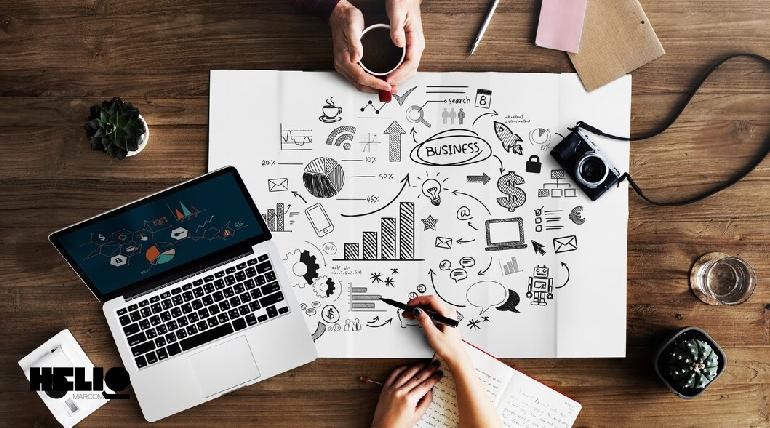
Branding troubles frequently appear when a commercial enterprise grows faster than its identity. What as soon as felt clear can grow to be inconsistent as groups make bigger, offerings change, and new audiences emerge. A advertising organization helps companies regain control of their emblem by way of supplying structure, objectivity, and ongoing steering. Rather than reacting to remoted problems, a advertising employer takes a wider view of the way a brand is experienced and understood.
For both trendy and commercial enterprise audiences, branding affects trust, popularity, and decision making. When branding lacks clarity, even strong services or products can conflict to advantage interest. A advertising enterprise supports groups with the aid of addressing branding challenges in a methodical and practical way.
Common branding problems businesses face as they grow
As organizations amplify, their logo frequently struggles to preserve tempo with new goals, products, and audiences. What once felt clear and easy can become complicated as more human beings and decisions form how the logo appears in public. This normally occurs steadily, making the problems harder to spot early.
One frequent problem is blended messaging. Different teams may additionally describe the organization in distinctive methods, which creates confusion for clients. Over time, this may weaken consider and make it harder for the commercial enterprise to face out in a crowded marketplace.
Visual inconsistency is every other project. Logos, shades, and layouts may additionally vary across websites, social structures, sales substances, and emails. When visible factors lack consistency, the logo appears unorganised or unfocused, even though the commercial enterprise itself is appearing properly.
Growing groups also face transferring audiences. A emblem created for early customers may not fit a much wider or extra diverse organization. Without updates, the brand dangers feeling outdated or disconnected from cutting-edge expectancies.
There is often inner disagreement approximately what the emblem should constitute. Leadership, advertising groups, and income groups may additionally hold exclusive views, leading to sluggish selections and uncertain path. These internal gaps often display up in external communications.
Finally, time stress plays a role. As operations extend, branding tasks can also fall behind day by day priorities. Without clean possession, emblem management turns into reactive in place of planned, allowing small problems to construct into large problems.
Why internal teams often struggle with brand consistency
Limited ownership of brand decisions
In many agencies, no single team owns emblem decisions completely. Marketing, income, leadership, and outside companions may additionally all have an impact on how the brand is offered. When duty is shared too extensively, decisions emerge as doubtful and consistency suffers.
Without clean possession, updates to messaging or design may appear in isolation. This results in small differences that increase throughout channels through the years. Customers then get hold of mixed indicators approximately what the enterprise stands for.
Day to day priorities take over
Internal teams are regularly centered on immediate desires inclusive of sales goals, product updates, or customer service. Branding obligations may additionally sense much less urgent compared to each day operational needs. As a result, logo pointers are not always followed intently.
When pace will become the priority, groups can also reuse antique materials or create new ones with out checking alignment. This creates version in tone, wording, and visuals that slowly weakens the general brand picture.
Lack of clear brand pointers
Some companies grow earlier than formal emblem pointers are created. Others have hints which might be outdated or hard to apply in exercise. When steerage is doubtful or too brief, groups interpret the emblem in special methods.
Even properly intentioned personnel may additionally struggle to apply the emblem efficiently if guidelines are vague. Over time, this leads to inconsistent use of language, imagery, and design elements.
Changes in staff and external partners
As corporations increase, new personnel and suppliers join frequently. Each new contributor brings their very own habits and enjoy. Without sturdy onboarding around branding, consistency turns into harder to maintain.
External designers, groups, or freelancers may also work from partial facts. If they’re not absolutely aligned with the brand course, their output can vary from internal work.
Difficulty stepping back for evaluate
Internal groups are close to the commercial enterprise and might not word gradual changes in how the logo seems. Familiarity could make it tougher to identify gaps or contradictions across channels.
Without regular evaluation from a sparkling point of view, emblem inconsistencies continue to be unchallenged. This is regularly in which external help becomes beneficial, offering distance and structure that inner groups may additionally conflict to hold.
How a marketing agency reviews and clarifies brand identity
A advertising business enterprise starts offevolved by gaining a clean photo of ways the emblem currently appears to customers. This review appears at both what the enterprise intends to speak and what’s simply being communicated across channels. The purpose is to reduce confusion and create a shared route.
Agencies usually verify present brand materials which include web sites, advertising and marketing content material, social media, and sales files. They look for styles, gaps, and contradictions in tone, visuals, and messaging. This system enables identify where the brand feels uncertain or inconsistent.
To clarify logo identity, an business enterprise regularly works carefully with leadership and key teams. These discussions cognizance on what the commercial enterprise stands for, who it serves, and the way it wants to be perceived. Bringing these perspectives collectively facilitates solve internal differences.
Common areas reviewed consist of
- Core logo motive and positioning
- Target target market and client expectancies
- Brand voice and language style
- Visual factors together with trademarks, shades, and layouts
Once the review is complete, the organisation allows define a clearer brand direction. This does no longer imply changing everything. In many instances, it involves refining what already exists so it’s far less complicated to apply constantly.
Clear documentation is commonly created or updated as part of this procedure. This offers inner teams sensible steering they could follow in day by day paintings. With clearer course in area, choices emerge as less complicated and the emblem appears more unified to the outside global.
Aligning brand messaging across digital and offline channels
Many branding issues appear while messaging differs between platforms. A commercial enterprise may additionally sound confident on its website but formal in print substances and casual on social media. These differences can confuse audiences and weaken popularity over the years.
A advertising enterprise appears at all client touchpoints together as opposed to in isolation. This consists of web sites, e mail campaigns, social systems, advertising, income substances, occasions, and revealed assets. Reviewing the whole thing aspect by means of aspect makes inconsistencies simpler to identify.
Agencies then outline a shared messaging framework that applies throughout channels. This framework sets clean steerage on how the brand must communicate in one of a kind conditions even as preserving the same middle tone and message. The aim is consistency with out making verbal exchange feel repetitive.
Key elements which might be regularly aligned encompass
- Core emblem messages used throughout all channels
- Language fashion and stage of ritual
- Terminology for merchandise, services, and audiences
- Key themes that appear in campaigns and substances
Digital and offline channels often serve unique purposes, so wording may additionally range barely. An company guarantees those variations nevertheless sound just like the same emblem talking. For instance, a short social post and a printed brochure can vary in duration even as nonetheless sharing the equal voice.
By aligning messaging throughout all channels, organizations gift a clearer identity to clients. This makes the logo simpler to comprehend and recognize, no matter where human beings engage with it.
Creating a clear brand voice that suits the target audience
Understanding how the audience expects to be addressed
A emblem voice works excellent while it displays how the audience prefers to speak. A advertising business enterprise starts offevolved by analyzing who the commercial enterprise is speakme to and what tone feels herbal to them. This consists of factors together with industry norms, decision making styles, and expectancies round formality.
For commercial enterprise audiences, readability and self assurance frequently count extra than creativity. For wellknown audiences, warmth and simplicity can be extra powerful. An enterprise allows balance those needs so the emblem feels appropriate with out sounding pressured.
Defining tone without proscribing flexibility
Many corporations battle because their logo voice is both too indistinct or too restrictive. A advertising organization defines clear voice tendencies that guide communique with out making it rigid. These tendencies describe how the emblem must sound rather than what it have to say.
Common voice elements consist of :
- Level of ritual
- Use of technical language or undeniable wording
- Attitude including supportive, direct, or informative
- Sentence period and shape
This method allows teams to jot down evidently whilst staying aligned with the emblem.
Making the voice practical for daily use
A logo voice most effective works if teams can observe it without difficulty. Agencies awareness on turning summary ideas into realistic steering that fits ordinary responsibilities. This consists of examples of the way the voice should seem in emails, internet content material, sales copy, and customer communications.
Clear examples reduce guesswork and accelerate content introduction. They also assist new team participants recognize how to constitute the logo without lengthy causes.
Keeping the voice constant as the enterprise grows
As groups increase, extra people make a contribution to written and spoken communique. A described logo voice helps maintain consistency while teams exchange. Marketing agency help this by means of creating clean reference fabric that stays applicable over time.
When the voice suits the target market and is easy to use, communique feels more confident and recognisable. This strengthens how the brand is perceived across all interactions.
Visual branding support from logos to design systems
Visual branding frequently turns into inconsistent as companies develop and add new substances. A advertising organisation allows convey shape to how visual elements are used so the logo appears unified throughout all touchpoints. This starts with reviewing existing designs to understand what is working and what feels disconnected.
Logos are a common source of variant. Different variations may additionally appear across structures, on occasion with adjustments in colour, spacing, or format. An enterprise guarantees the brand is used correctly and always, decreasing confusion and enhancing popularity.
Colour palettes and typography also play a main position in how a logo is perceived. When those factors are applied inconsistently, the emblem can seem unprofessional or fragmented. A marketing business enterprise defines clear regulations for how colors and fonts need to be used in exceptional contexts, both virtual and print.
As the business grows, layout needs growth. Websites, presentations, advertising and marketing materials, and marketing all require visual consistency. Agencies frequently create design systems that provide reusable components and layouts. This makes it less difficult for groups to provide new substances with out starting from scratch.
Clear visible guidelines store time and reduce errors. Internal teams and outside companions can work extra effectively whilst expectations are defined. Over time, consistent visuals assist the logo experience more hooked up and truthful to its target audience.
Using market research to correct brand positioning issues
Brand positioning troubles frequently arise when a commercial enterprise’s notion of itself not matches how the market perspectives it. A advertising organisation makes use of market studies to perceive wherein those gaps exist and why they’ve developed. This research provides a actual basis for making branding selections in preference to relying on assumptions.
Agencies generally examine customer behaviour, comments, and shopping for patterns to apprehend how the brand is presently interpreted. This may additionally consist of surveys, interviews, and analysis of public opinions or engagement developments. These strategies help pick out which messages resonate and which ones create confusion.
Competitor evaluation is some other important a part of the manner. By reviewing how comparable companies present themselves, organizations can spot areas wherein the logo blends in or seems misaligned. This helps make clear how the business can function itself greater surely inside its marketplace.
Market research additionally enables take a look at new positioning ideas before they may be widely applied. Agencies may additionally check reactions to revised messaging, visible changes, or price statements. This reduces danger and helps greater assured choice making.
When research informs brand positioning, modifications experience grounded and intentional. The enterprise can regulate its route while staying aligned with consumer expectations and market realities.
Supporting rebrands without losing customer trust
Understanding what should change and what should stay
Rebranding does no longer constantly imply starting from zero. A advertising and marketing enterprise enables businesses become aware of which elements of the logo nevertheless paintings and which of them need adjustment. This stability is crucial to avoid complicated or alienating existing clients.
Agencies evaluate customer relationships, brand popularity, and beyond communications to understand what people already partner with the business. This allows modifications to sense familiar in place of abrupt.
Planning the rebrand cautiously
A structured plan reduces disruption all through a rebrand. Marketing groups help outline the scope, timing, and collection of adjustments so the transition feels controlled. This consists of inner education in addition to external conversation.
Key planning regions often encompass :
- Clear motives for the rebrand
- Updated messaging that explains the trade
- Phased rollouts throughout channels
- Internal guidance for group of workers
Communicating changes simply to customers
Customers are more accepting of change whilst it’s far defined really. A advertising organisation helps companies in speaking rebrands in a right away and transparent way. This may involve website updates, email communique, or public bulletins.
The attention is on reassurance as opposed to promoting. Explaining how the rebrand helps the commercial enterprise and its customers allows hold self belief during the transition.
Maintaining consistency at some point of the transition duration
During a rebrand, antique and new materials may also exist on the same time. Agencies manage this overlap carefully to lessen confusion. Clear regulations are set round while and in which new branding ought to seem.
By controlling how changes are added, corporations can replace their emblem whilst maintaining familiarity. This enables defend long standing customer relationships because the emblem moves ahead.
Measuring brand performance and adjusting direction
Branding isn’t always a one time task. A marketing company enables organizations song how their logo performs over time and identify whilst adjustments are wanted. Measurement brings readability to what is working and what may additionally want refinement.
Agencies study both qualitative and quantitative indicators. This includes how clients reply to messaging, how always the emblem is applied, and the way it’s miles perceived inside the marketplace. These indicators assist check whether the brand route stays appropriate.
Common regions reviewed encompass
- Brand consciousness and reputation
- Customer comments and sentiment
- Engagement throughout advertising and marketing channels
- Consistency of messaging and visuals
Rather than counting on isolated metrics, organizations evaluation styles over time. This facilitates avoid overreacting to quick time period modifications even as still responding to clear developments. Regular reviews additionally prevent small issues from developing overlooked.
When changes are wanted, modifications are made cautiously. A advertising business enterprise makes a speciality of refining rather than replacing direction unless a clear shift is required. This keeps the emblem solid while allowing it to live applicable.
Ongoing measurement helps higher choice making. Businesses advantage a clearer view of how their brand is acting and while it makes feel to update messaging, visuals, or positioning.
Long term brand management with external marketing support
Maintaining a consistent emblem over time will become greater challenging as a commercial enterprise continues to develop and trade. External advertising help allows provide shape and continuity while inner priorities shift. This long term involvement lets in branding to remain constant in preference to reactive.
A advertising and marketing organization offers ongoing oversight throughout messaging, visuals, and communication channels. By staying involved, the business enterprise can spot inconsistencies early and deal with them before they have an effect on public belief. This reduces the need for common corrective work.
External support additionally brings continuity in the course of internal changes. Staff turnover, new management, or shifts in strategy can disrupt branding if information is lost. An organisation enables keep path by way of retaining clean documentation and context in area.
Over time, groups can help planned brand updates because the marketplace evolves. These updates are guided via research, overall performance critiques, and business desires instead of brief time period pressure. This facilitates the emblem continue to be applicable with out unexpected changes.
With long term assist, companies gain a stable framework for managing their brand. Clear steerage, normal evaluation, and constant application assist make certain the emblem stays clean, recognisable, and aligned with enterprise increase.

The cannabis industry’s steady growth has unlocked diverse roles in cultivation, product development, patient education, and compliance. As regulations tighten and consumer expectations rise, formal education and certification are no longer optional—they are essential for building a credible, long-term career. This shift underscores the importance of structured training programs. Beyond improving job readiness, education ensures professionals grasp the complexities and responsibilities of working within a highly regulated environment.
The Expansion of the Cannabis Industry
As legal and medical cannabis markets expand, so do job openings and specialized roles. With this industry growth, employers are no longer just looking for passion or personal experience. They want candidates who understand safety standards, laws, ethics, and best practices. This shift has created a strong demand for professionals with formal training, ensuring employees can operate responsibly and contribute positively to their workplace and community.
Why Training Is Becoming a Requirement
The cannabis industry demands professional rigor. It’s governed by strict compliance, meticulous record-keeping, and evolving regulations, where untrained mistakes can lead to heavy fines or legal repercussions. Certification programs bridge the gap between casual interest and professional expertise by providing structured education on product handling, patient interaction, and safety protocols. This specialized training ensures professionals enter the workforce with the credibility and confidence to succeed.
Career Paths for Trained Cannabis Professionals
The cannabis industry offers diverse opportunities beyond entry-level positions. Trained professionals can pursue careers in patient care, operations, compliance, education, or product development. While each role requires specific skills, all benefit from a rigorous educational foundation. Certification helps individuals identify their niche and prepares them for long-term growth. Furthermore, employers often prioritize certified candidates as more reliable and prepared, making education a strategic investment for career advancement.
The Role of Certification in Building Trust
Trust is vital in the cannabis industry. Patients, consumers, and regulators all expect high levels of professionalism and accuracy. Certified professionals are better equipped to provide clear information, follow strict procedures, and uphold ethical standards. Education also fosters industry-wide consistency; when professionals share a common knowledge base, it raises the standard of care and service. This reliability benefits everyone, from businesses to the consumers they serve.
Local Demand and Community Impact
As cannabis services expand, the demand for trained local professionals continues to rise. Specialized programs, such as cannabis certification in Draper, UT, address this need for accessible, high-quality education. Local training ensures that staff understand both universal industry standards and specific regional regulations. For individuals, earning a certification can secure meaningful employment and support responsible industry expansion. Ultimately, these trained professionals foster safer practices and better public education, improving the overall reputation of the cannabis sector.
Staying Competitive in a Growing Field
As more people enter the industry, competition for jobs continues to grow. Certification helps candidates stand out by demonstrating commitment, discipline, and a willingness to learn. Continuous education also enables professionals to keep up with changing laws and best practices. In a rapidly evolving field, staying informed is essential. Those who invest in training are better equipped to advance and adapt with the industry.
The Long-Term Value of Education
Certification isn’t just about getting a job—it’s about building long-term career stability and confidence. Professionals with formal education are more likely to advance into leadership, training, or specialized roles within the industry. As the cannabis sector grows, education will continue to be essential for success. Structured learning brings clarity, minimizes risks, and promotes ethical, well-informed practices in every role.
Conclusion
The growing demand for trained cannabis professionals signals a shift toward a more responsible and professional industry. Education and certification help individuals build a strong foundation, contribute to their workplace, and navigate complex regulations with confidence. Investing in training is a practical step toward long-term success for anyone considering a career in cannabis. As the industry matures, well-educated professionals will be vital in shaping its future.

Global supply chains have long been the standard for businesses seeking the lowest possible unit cost. For decades, the logic was simple: if it’s cheaper to manufacture halfway around the world, you do it. However, recent years have exposed the fragility of this model. From port congestions and geopolitical instability to fluctuating fuel costs, the “cheapest” option on paper often becomes the most expensive one in practice.
As a result, operations managers are rethinking their strategies. The shift toward “nearshoring” or simply sourcing from the business next door is gaining momentum. It isn’t just about supporting the local community—though that is a nice bonus—it is about building a robust, responsive, and reliable operation.
Working with nearby vendors offers tangible operational advantages that can streamline your production, improve your cash flow, and give you a competitive edge. Here is why looking closer to home might be the smartest move for your supply chain.
1. Drastically Reduced Logistics Costs
The most immediate benefit of local sourcing is the reduction in freight costs. Shipping heavy materials or large orders across the country—or across oceans—eats into margins significantly. When your vendor is within driving distance, you eliminate complex freight forwarding fees, customs duties, and expensive long-haul trucking rates.
This is particularly true for heavy industrial processes. For example, if your business requires powder coating steel in Utah, shipping those heavy metal components to a different state for finishing is inefficient. By utilizing a local partner, you cut out the massive expense of transporting heavy steel back and forth, keeping your unit costs strictly focused on the value added, not the miles traveled.
2. Faster Turnaround Times
Time is money in operations. When you source globally, lead times can stretch into months. Even domestic sourcing from the other side of the country can add days of transit time that you cannot recover.
Local vendors offer speed. A delivery that used to take three weeks on a boat or five days on a truck can be completed in a few hours. This speed allows you to react to customer demand instantly. If a client puts in a rush order, a local vendor is much more likely to help you meet that deadline than one located three time zones away.
3. Enhanced Quality Control
Quality issues are a nightmare for operations. Discovering a defect in a shipment that just arrived from overseas often means writing off the entire lot or waiting weeks for replacements.
Proximity allows for proactive quality control. You can visit a local vendor’s facility to approve a prototype or inspect a production run before it leaves their dock. If a problem arises, you can drive over, discuss the issue face-to-face, and find a resolution immediately. This level of oversight ensures that the product arriving at your door meets your standards every time, reducing waste and rework.
4. Increased Agility and Flexibility
Market trends change rapidly. A product that is flying off the shelves today might be obsolete next quarter. Long supply chains are rigid; once an order is on a ship, you can’t change it.
Local supply chains are inherently more agile. Because the lead times are shorter, you don’t have to lock in orders months in advance. You can make adjustments to order volumes or design specifications much later in the process. This flexibility allows your operation to pivot when customer preferences shift without being stuck with a warehouse full of unwanted stock.
5. Leaner Inventory Management
Warehousing costs money. Rent, utilities, insurance, and labor associated with storing inventory add up quickly. The longer the lead time from your vendor, the more “safety stock” you must hold to prevent running out.
Working with nearby vendors is the key to unlocking Just-in-Time (JIT) inventory management. When you know your supplier can replenish your stock within 24 hours, you don’t need to stockpile weeks’ worth of raw materials. You can order exactly what you need, exactly when you need it. This frees up cash flow that was previously tied up in stagnant inventory and frees up physical space on your shop floor.
6. Stronger Communication and Relationships
While digital communication tools are powerful, they rarely replace the effectiveness of a face-to-face meeting. Miscommunications happen easily over email or when dealing with language barriers and time zone differences.
Building a relationship with a local vendor is easier. You can meet for lunch, tour each other’s facilities, and build genuine rapport. When you have a strong relationship, you become more than just an account number. Local vendors are often more willing to go the extra mile for you—whether that means working overtime to hit a deadline or prioritizing your order during a busy season—because they value the local partnership.
7. Lower Environmental Impact
Sustainability is becoming a key operational metric for many companies. Customers and stakeholders are increasingly asking businesses to reduce their carbon footprint.
Supply chain logistics are a massive contributor to corporate emissions. By shortening the distance your materials travel, you drastically reduce the fuel consumption associated with your product. Sourcing locally is one of the most effective ways to lower your Scope 3 emissions (indirect emissions in your value chain) and demonstrate a commitment to environmentally responsible operations.
8. Reduced Supply Chain Risk
If the last few years have taught us anything, it is that global supply chains are vulnerable. Port strikes, trade wars, pandemics, and natural disasters can halt shipments for weeks.
Localizing your supply chain spreads your risk. A vendor in your city is less likely to be affected by a dockworker strike on the coast or a shipping canal blockage overseas. While no supply chain is immune to disruption, local networks are generally more resilient and easier to manage when things go wrong.
9. Boosted Local Economy and Brand Reputation
Finally, there is a distinct operational benefit to economic stewardship. When you spend money with local vendors, that money circulates within your community. It creates jobs and strengthens the local infrastructure that your business relies on.
From a brand perspective, this is a powerful narrative. promoting that your products are “locally made” or “locally sourced” resonates with consumers. It builds trust and brand loyalty, which ultimately drives sales and supports the operational growth of your company.
Strengthening Your Supply Chain
The allure of low sticker prices from distant suppliers often hides the true cost of doing business. When you factor in shipping, warehousing, delays, and risk, the “cheaper” option frequently loses its shine.
By shifting your focus to nearby vendors, you gain control. You gain speed, quality assurance, and the flexibility to navigate a changing market. Take a look at your current vendor list. Is there an opportunity to bring some of that business closer to home? Your operations team—and your bottom line—will likely thank you.

Every parent knows the scene: a living room floor covered in blocks, dolls, and puzzle pieces. While it might look like chaotic fun, play is actually the serious business of childhood. It is the primary vehicle through which children learn about the world, themselves, and the people around them.
While “free play”—unsupervised and unstructured exploration—is crucial for fostering creativity and independence, structured play offers a different, equally vital set of benefits. Structured play refers to activities that have a specific goal, a set of rules, or a teacher-led objective. Think of board games, organized sports, guided storytelling, or building a model kit. By engaging in these purposeful activities, children aren’t just passing time; they are building the complex neural architecture required for a successful future in school and life.
Understanding the specific benefits of this focused form of play can help parents and caregivers better balance their children’s daily routines. Here are five key ways structured play supports development and how you can facilitate it.
1. Building Executive Function and Discipline
One of the most profound impacts of structured play is the development of executive function. This is the mental skill set that allows us to plan, focus attention, remember instructions, and juggle multiple tasks successfully. It acts as the air traffic control system of the brain. When a child participates in a game like “Red Light, Green Light,” they aren’t just running; they are practicing impulse control by stopping immediately when the command changes. They must hold the rules in their working memory and adapt their actions accordingly.
This type of play teaches discipline not through lecture, but through engagement. To succeed in the game, the child must regulate their behavior. Research indicates that children who possess strong executive function skills at a young age are often more successful academically later in life because they have mastered the art of paying attention.
Parent Tip: Try games that require listening and delayed gratification, such as “Simon Says” or “Freeze Dance.” These simple activities force the brain to pause and process information before acting, strengthening self-regulation circuits in a fun, low-stress environment.
2. Enhancing Social Skills and Cooperation
Unlike solitary play, structured play often happens in groups and involves a shared objective or a set of rules that everyone must follow. This environment is a breeding ground for essential social skills. Children learn to take turns, negotiate roles, and understand the concept of fairness. For instance, a guided group art project requires sharing materials and respecting personal space. It teaches children that their actions affect others and that working together often leads to a better outcome than working alone.
Furthermore, games with rules provide a safe framework for conflict resolution. If a dispute arises, the “rules of the game” act as an impartial mediator. Learning to win graciously and lose without a meltdown is a significant emotional milestone that structured play facilitates naturally.
Parent Tip: Encourage cooperative board games where players work together to beat the game, rather than competing against each other. This shifts the focus from winning to collaboration and encourages children to help their peers.
3. Sharpening Problem-Solving Capabilities
Structured play usually presents a challenge that needs to be solved to reach a goal. Whether it’s following a diagram to build a specific castle, figuring out a scavenger hunt clue, or completing a complex puzzle, these activities require logical thinking and sequence planning.
When an adult or facilitator guides this play, they can “scaffold” the learning—providing just enough help for the child to figure it out themselves without doing it for them. This creates a safe space for trial and error. Children learn that making a mistake isn’t a failure; it’s just part of the process of finding the solution. This fosters resilience and a “growth mindset,” where intelligence and ability are seen as things that can be developed through effort.
Parent Tip: When your child gets stuck during a structured task, resist the urge to fix it immediately. Instead, ask guiding questions like, “What piece do you think might fit here?” or “What did we try last time that didn’t work?”
4. Expanding Language and Vocabulary
Structured activities are often rich in dialogue. When a teacher explains the rules of a new game or a parent guides a child through a recipe, they are exposing the child to new vocabulary and specific sentence structures. The child must listen to instructions and, crucially, ask questions for clarification. This back-and-forth improves receptive language skills (understanding what is said) and expressive language skills (communicating thoughts).
In a structured setting, children are frequently asked to narrate what they are doing or predict what will happen next. A science experiment activity, for example, introduces words like “reaction,” “ingredients,” and “observe,” providing context that makes these new words stick.
Parent Tip: During activity time, be a narrator. Describe what you are doing and what your child is doing. Ask open-ended questions like, “What do you think will happen if we place this block here?” to stimulate conversation and encourage them to articulate their thought process.
5. Refining Fine and Gross Motor Skills
While running around the playground is great for letting off steam, structured physical activities target specific motor skills that might otherwise be neglected. An obstacle course can be designed to require crawling (gross motor coordination) and picking up small objects with tweezers (fine motor precision). A guided craft session might involve cutting with scissors or threading beads, which requires significant hand-eye coordination and focus.
These targeted movements help strengthen the physical connection between the brain and body. Fine motor skills, in particular, are essential precursors to writing. By engaging in fun, structured manipulation of small objects, children are preparing their hand muscles for holding a pencil long before they enter a kindergarten classroom.
Parent Tip: Set up a “mission impossible” style string maze in a hallway that kids have to step over and crawl under. This targets balance and spatial awareness. For fine motor skills, using playdough to create specific shapes or letters is an excellent, guided activity.
Finding the Right Environment
The balance between letting kids be kids and guiding their growth is delicate, but structured play provides the perfect middle ground. It combines the joy of engagement with the benefits of educational objectives. By incorporating games with rules, guided crafts, and cooperative challenges into your child’s routine, you are giving them the tools they need to navigate the classroom and the world beyond.
Of course, parents can’t be expected to be entertainment directors 24/7. This is where the choice of childcare becomes impactful. If you are looking for a daycare in Taylorsville, finding a center that prioritizes a curriculum blending free exploration with structured learning is essential. High-quality centers understand that the best learning happens when children are actively engaged, happy, and challenged in just the right ways.

The construction industry has a profound relationship with the environment. Every structure we build alters the landscape, consumes resources, and impacts the ecosystem around it. For decades, the primary focus of construction was utility and speed—how quickly and cheaply could a structure go up? However, that mindset has shifted dramatically. As regulations tighten and public awareness of climate change grows, environmental responsibility is no longer a “nice-to-have” add-on; it is a fundamental requirement for modern development.
The Planning Phase: Designing for Sustainability
The most significant environmental impacts are often determined before a single shovel hits the ground. The planning and design phase is where the project’s ecological DNA is written. If sustainability isn’t prioritised here, it becomes exponentially harder and more expensive to implement later.
Site Selection and Impact Assessments
The first step is choosing where to build. Responsible developers look for “brownfield” sites—previously developed land that may be contaminated or underutilised—rather than disturbing pristine “greenfield” land. Reusing land preserves natural habitats and reduces urban sprawl.
Once a site is selected, an Environmental Impact Assessment (EIA) is crucial. This comprehensive review identifies potential risks to local water sources, soil stability, and air quality. It also catalogues local wildlife, ensuring that the project doesn’t disrupt critical migration paths or nesting grounds. The insights gained from an EIA allow architects and engineers to design with the landscape, rather than against it.
Sustainable Design Principles
Architects play a pivotal role in reducing a building’s carbon footprint through passive design. This involves orienting the building to maximise natural light and ventilation, which drastically reduces the need for artificial lighting and air conditioning.
Material selection is another pillar of the planning phase. Sourcing materials locally reduces transportation emissions, while choosing recycled or renewable materials (like bamboo or reclaimed wood) lessens the strain on natural resources. Designers must also consider the “embodied carbon” of materials—the total energy required to extract, manufacture, and transport them.
The Construction Phase: Minimising the Footprint
The construction phase is often the most visible and disruptive part of a project. Heavy machinery, noise, and waste generation can wreak havoc on the local environment if not managed strictly. This stage requires rigorous oversight to bridge the gap between sustainable design and responsible execution.
Erosion and Sediment Control
Soil erosion is a major concern during construction. When vegetation is cleared, soil becomes loose and susceptible to runoff during rainstorms. This runoff can carry pollutants, chemicals, and sediment into nearby waterways, choking aquatic life and contaminating water supplies.
To combat this, site managers must implement a Stormwater Pollution Prevention Plan (SWPPP). This plan outlines specific measures to control runoff, such as installing silt fences, sediment basins, and vegetative buffers. Keeping soil in place is essential for maintaining water quality and complying with federal regulations.
Waste Management and Pollution Control
Construction creates a staggering amount of waste. Traditional methods see concrete, wood, and metal scraps hauled off to landfills. A green construction site operates differently. Managers implement aggressive waste diversion plans, sorting materials on-site for recycling or reuse. Crushed concrete can become base material for driveways; scrap wood can be chipped for mulch.
Air quality is another immediate concern. Dust from demolition and earthmoving can degrade local air quality and harm worker health. Regular watering of the site, covering piles of soil, and using low-emission machinery are standard practices for keeping the air clean. Similarly, noise pollution must be managed by scheduling heavy work during appropriate hours and using sound barriers to protect the surrounding community.
Protecting Local Habitats
Even after the site is chosen, care must be taken to protect the immediate surroundings. This might involve fencing off root zones of existing trees to prevent soil compaction or establishing “no-go” zones where heavy equipment cannot travel. If the site is home to protected species, construction schedules may need to be adjusted to avoid breeding or nesting seasons.
The Operational Phase: Long-Term Efficiency
A building’s environmental impact doesn’t end when the construction crew leaves. In fact, the operational phase—which can last 50 years or more—often accounts for the majority of a structure’s total carbon emissions. A truly green building performs efficiently every single day.
Energy and Water Efficiency
Modern buildings must be smart. Building Management Systems (BMS) are now standard in high-performance structures. These automated systems monitor and control lighting, heating, and cooling based on real-time occupancy and weather conditions. This ensures energy isn’t wasted conditioning empty rooms.
Water conservation is equally important. Low-flow fixtures, rainwater harvesting systems, and greywater recycling (using water from sinks for irrigation or flushing toilets) can drastically cut a building’s water consumption. Landscaping also plays a role; using drought-resistant native plants eliminates the need for water-intensive irrigation systems.
Green Certifications and Continuous Improvement
Many developers seek third-party validation for their efforts through certifications like LEED (Leadership in Energy and Environmental Design) or BREEAM. These certifications provide a framework for measuring a building’s sustainability and offer a tangible badge of quality that appeals to tenants and investors.
However, certification is just the beginning. Sustainable operation requires regular audits and maintenance. Filters must be changed, sensors calibrated, and systems updated to ensure the building continues to perform as designed.
Conclusion
Environmentally conscious construction is reshaping cities, requiring excellence from site survey to daily management. By prioritising green practices, firms build resilience against energy costs and create healthier spaces. As technology and materials advance, the industry can lead global sustainability. Today’s environmental choices define the buildings of tomorrow.
-

 Business2 months ago
Understanding Asbestos Trust Funds and Compensation
-
 Technology3 months ago
Sosoactive: The Future of Digital Engagement and Authentic Social Connectivity
-

 Travel3 months ago
Adventure-Filled Best Family Road Trip Destinations Families Love
-
 Blog3 months ago
Onnilaina: The Future of Fast and Secure Online Loans 2025-2026
-

 Life Style2 months ago
Who is Monika Leveski? A Day in the Life of a Rising Star
-
 Blog4 months ago
UnbannedG+: A Community Reborn and What It Means for Users
-
 Fashion3 months ago
Troozer com: Your Ultimate Guide to Online Shopping
-

 Business3 months ago
MyGreenBucks Kenneth Jones: Empowering Your Financial Future