
Food
Koriandri: A Deep Dive into Its Flavor Profile and Global Impact

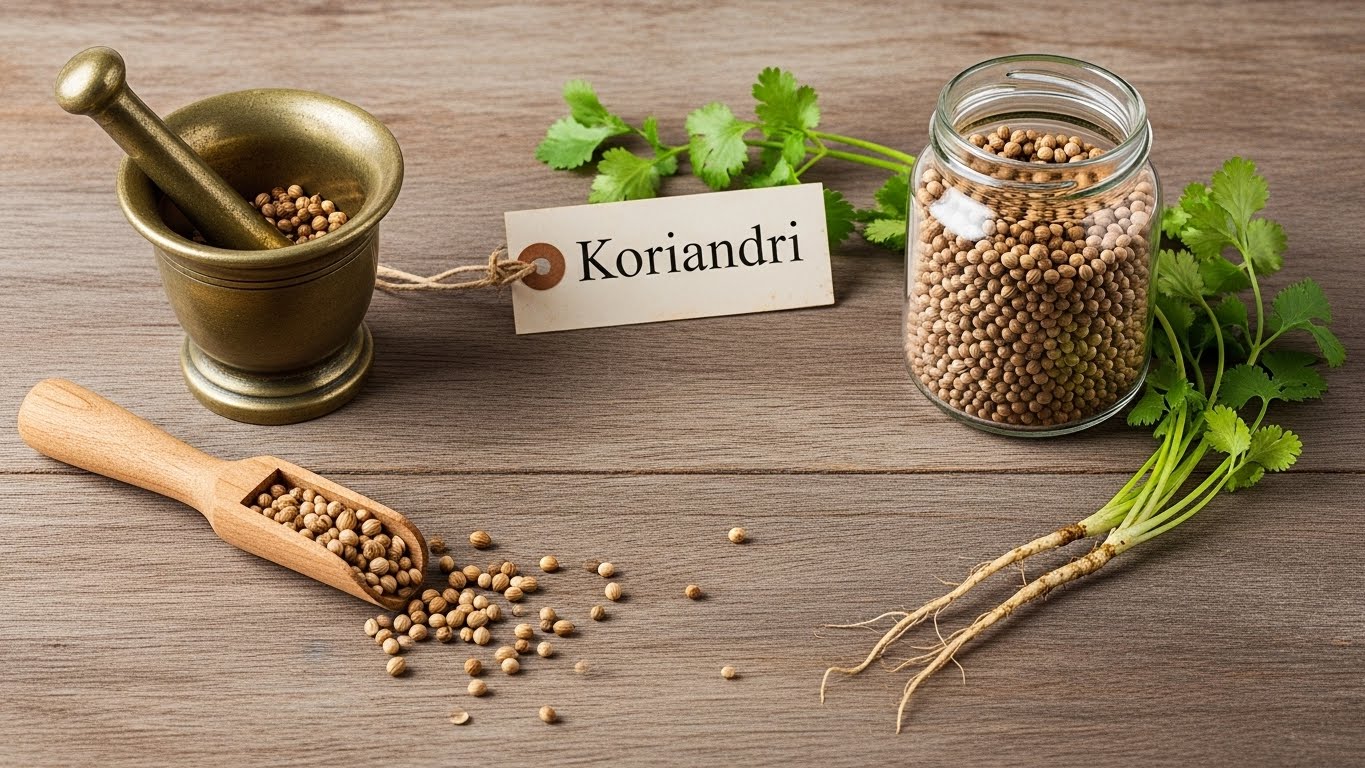
From ancient tombs to modern kitchens, one unassuming plant has etched its presence across cultures and centuries: *Coriandrum sativum*. While many know it as coriander or cilantro, depending on where you stand on the globe, the Finnish term “koriandri” points us to the same remarkable herb. This plant isn’t just a seasoning; it’s a living testament to culinary diversity, a source of traditional medicine, and a topic that ignites passionate debate among food lovers.
We’ll journey through the fascinating world of koriandri, exploring its botanical identity, understanding why its flavor can be so polarizing, and charting its indispensable role in global cuisines. Beyond the kitchen, we’ll uncover its historical significance and discuss potential health advantages. Get ready to gain a deep appreciation for this truly versatile ingredient.
Unpacking Koriandri: What Exactly *Is* This Plant?
Koriandri, scientifically named *Coriandrum sativum*, belongs to the Apiaceae family, making it a cousin to parsley, carrots, and celery. It’s an annual herb, meaning it completes its life cycle within a single growing season. Every part of this plant is edible, but typically, we use the fresh leaves, often called cilantro in North America, and the dried seeds, known globally as coriander seeds. Even the roots have a place in specific culinary traditions, particularly in Thai cooking.
Confusion around its name is common. In the United States and Canada, “cilantro” refers specifically to the fresh leaves and stems. “Coriander” then describes the dried seeds. However, in the UK, Australia, India, and most other English-speaking regions, “coriander” is the umbrella term for both the fresh leaves and the seeds. Regardless of the name you use, we’re talking about the same plant.
Coriander Leaves (Cilantro): A Fresh Burst of Flavor
The fresh leaves are vibrant green, delicate, and feathery, resembling flat-leaf parsley. They have a distinctive, bright flavor profile, often described as zesty, citrusy, and sometimes peppery or lemony. This lively taste makes fresh koriandri leaves a popular finishing herb. People usually add them to dishes just before serving to preserve their delicate aroma and flavor, which can diminish with heat.
You’ll find fresh koriandri leaves gracing everything from Mexican salsas and guacamole to Indian chutneys and Thai curries.
Coriander Seeds: Warm, Citrusy, and Earthy
Then there are the seeds, which are the dried fruits of the plant. They are round, light brown, and notably different in flavor from the leaves. When raw, they have a mild, slightly bitter, and grassy taste. But a quick toast in a dry pan utterly transforms them. This heat releases their essential oils, revealing warm, nutty, and distinctly citrusy notes, often compared to mandarin orange or Meyer lemon zest.
Ground koriandri seeds are a staple in spice blends worldwide, including Indian garam masala and curry powders. They add depth and a balancing sweetness to stews, roasted vegetables, marinades, and even some baked goods.
The Distinctive Flavor Palette: Why Koriandri Divides Opinions
Koriandri’s flavor is a topic that rarely evokes a neutral response. People tend to either love it or vehemently dislike it. Those who appreciate it describe a fresh, vibrant, and aromatic experience. For others, the taste is profoundly off-putting, often likened to soap, dirt, or even crushed bugs. What causes such a dramatic split?
Understanding the “Soapy” Gene
The scientific community has found an explanation. The perception of a soapy taste in koriandri is, to a significant extent, influenced by genetic factors. Specific olfactory-receptor genes, like OR6A2, play a role here. This gene encodes a receptor highly sensitive to certain aldehyde chemicals. Flavor chemists discovered that the characteristic aroma of koriandri leaves comes from a group of aldehydes, specifically unsaturated aldehydes. These same compounds, or very similar ones, are also found in soaps and lotions.
For individuals with this genetic sensitivity, these aldehydes trigger the unpleasant, soapy sensation. Conversely, those who enjoy koriandri are likely less sensitive to these specific aldehydes and can detect the herb’s more pleasant, aromatic compounds. It’s not just a matter of preference; it’s genuinely about how different people’s genes cause them to experience the herb’s chemistry.
Beyond the Basics: Describing Koriandri’s Aromas
Beyond the “soap” debate, koriandri’s flavor profile is complex.
- Fresh Leaves (Cilantro): A medley of bright, tangy citrus notes (lemon, lime), a hint of peppery spice, and a green, almost grassy freshness. These flavors are due to volatile compounds like (E)-2-decenal and (E)-2-dodecenal.
- Dried Seeds (Coriander): A warm, nutty, and spicy character with pronounced citrus undertones (orange, lemon peel). The primary flavor compound here is linalool, a terpenoid. This makes the seeds a superb base for savory dishes, offering a mellow complexity that grounds other, more assertive spices.
The way you prepare koriandri seeds also shifts their flavor. Raw, they are more herbal and a touch bitter. Toasted, they bloom with sweetness and nuttiness. Frying them in oil can deepen their richness, bringing forward more earthy, savory notes.
A Global Culinary Journey: Koriandri’s Role Across Cultures
Koriandri isn’t confined to one regional cuisine; it’s a global culinary ambassador, adapting its form and flavor to suit diverse palates. Its long history, dating back as far as 5000 BCE in some archaeological findings, attests to its enduring appeal.
Asian Cuisines: From Curries to Chutneys
In India and Central Asia, koriandri is known as “dhanya.” Both its leaves and seeds are indispensable. Fresh leaves are often cooked in generous amounts until their flavor mellows into dishes, or used raw in vibrant chutneys, raitas, and as a fresh garnish. The seeds, either whole or ground, are a cornerstone of spice blends like garam masala and curry powder, providing a warm, earthy base. They contribute to the thick texture and deep flavor of many curries and stews. Roasted koriandri seeds, called *dhania dal*, are even enjoyed as a snack.
Southeast Asian cooking, particularly Thai and Vietnamese, relies heavily on fresh koriandri leaves for their bright, clean finish. You’ll see it generously sprinkled over *pad thai*, infused in spicy *tom yum* soup, and often used in green curry. Thai cuisine also famously uses koriandri roots, which offer a deeper, more intense flavor, as a base for curry pastes and marinades.
Latin American Staples: Salsas and Stews
The Spanish introduced koriandri to Mexico and Peru, where it quickly became a staple. In Latin American cooking, the fresh leaves, or cilantro, are paramount. They provide a vital zesty counterpoint in everything from fresh salsas and pico de gallo to guacamole, tacos, and fajitas. Its bright notes cut through the richness of meats and the heat of chili peppers beautifully. You’ll even find it in Costa Rica’s national dish, *gallo pinto* (rice and black beans).
Middle Eastern & North African Touches
In the Middle East and North Africa, koriandri, often called “kuzbarah,” is woven into the fabric of many dishes. Its fresh leaves enhance salads like tabbouleh and are sprinkled over grilled meats. The seeds play a role in spice blends like baharat and are a common flavoring in classics like hummus, falafel, and lamb kebabs. Moroccan tagines and Egyptian spice mixes often feature its earthy warmth.
European & Beyond: A Subtle but Significant Player
Historically, Romans used koriandri to flavor bread and preserve meat, and the ancient Greeks used it in medicine. In medieval Europe, it spiced both sweet and savory dishes and was even used in brewing beer and spirits. Today, it appears in European sausages, Scandinavian pastries, and some liqueurs. From Chinese soups to Taiwanese peanut brittle wraps, koriandri’s global footprint is expansive and varied.
Cultivating Koriandri: Bringing the Freshness Home
Growing koriandri is a rewarding endeavor, allowing you to have fresh leaves and seeds at your fingertips. It’s an annual herb that prefers cooler weather and can be grown directly from seed.
Optimal Growing Conditions
- Sunlight: Koriandri thrives in full sun but appreciates some light shade, especially during the hot midday hours in summer, to prevent bolting (flowering prematurely). Aim for 4-6 hours of sunlight daily.
- Soil: Well-draining soil is a must. A good mix includes garden soil, cocopeat (or sand), compost, and a touch of neem cake for nutrients and pest prevention.
- Watering: Keep the soil consistently moist, but not waterlogged. Dry soil can trigger bolting, while overwatering leads to root rot.
- Temperature: Koriandri prefers temperatures between 15-25°C (59-77°F).
Planting and Harvesting Tips
- Sowing Seeds: Koriandri seeds have a hard outer husk. Gently crush them between your fingers or with a rolling pin to split them in half before planting. This speeds up germination. Sow seeds about 1 cm deep and 5 cm apart.
- Successional Sowing: For a continuous supply of fresh leaves, sow small batches of seeds every few weeks from spring to autumn.
- Containers are Great: Koriandri does well in pots, which also allows for easy relocation to cooler spots when the weather warms. Choose pots 12-18 inches wide and 6-8 inches deep with drainage holes.
- Harvesting Leaves: Start harvesting outer leaves once the plant is large enough, leaving the center to continue growing. Snip off the top 50% of the plant to encourage bushier growth.
- Harvesting Seeds: If you want seeds, let some plants flower. The small white to pale pink flowers will eventually develop into spherical seeds. Harvest these once they turn golden-brown and dry.
Remember, koriandri dislikes being transplanted due to its long taproot, so direct sowing or planting in multi-cell trays is best.
Beyond Flavor: The Potential Health Benefits of Koriandri
Historically, koriandri has been used in traditional medicine for various ailments, from digestive issues to respiratory problems. Modern scientific research, while often in early stages (test-tube or animal studies), continues to explore these traditional uses and new potential benefits. It’s worth noting that many of these studies use concentrated extracts, so the effects of consuming typical culinary amounts of koriandri might differ.
Here are some areas where koriandri shows promise:
- Blood Sugar Management: Coriander seeds, extracts, and oils may help lower blood sugar. Animal studies suggest they can promote enzyme activity that helps remove sugar from the blood.
- Antioxidant Powerhouse: Koriandri is rich in antioxidants like terpinene, quercetin, and tocopherols. These compounds help combat oxidative stress and inflammation, which are linked to chronic diseases.
- Heart Health Support: Some research indicates koriandri may contribute to heart health by potentially lowering “bad” LDL cholesterol and increasing “good” HDL cholesterol. Coriander extract might also act as a diuretic, helping to lower blood pressure.
- Digestive Aid: Traditionally used for gastrointestinal maladies, koriandri may help stimulate digestive enzymes, promoting better nutrient absorption and alleviating symptoms like bloating and gas.
- Antimicrobial Properties: Koriandri contains compounds that may help fight certain infections.
- Skin Health: Preliminary lab research suggests koriandri may increase the production of procollagen type 1, a precursor to collagen, which is crucial for skin health.
It’s important to remember that koriandri should be enjoyed as part of a balanced diet and not as a substitute for medical treatment. If you are taking blood pressure or blood sugar-lowering medications, or sedative medications, consult a healthcare professional before significantly increasing your koriandri intake, as it may interact with these.
Koriandri in Your Kitchen: Practical Applications
Ready to integrate more koriandri into your cooking? Here are some simple, actionable ways to get started:
- Fresh Finish: Always keep a bunch of fresh koriandri (cilantro) on hand. Chop it finely and sprinkle it generously over tacos, curries, soups, stews, and salads just before serving. Its vibrant flavor truly shines when fresh.
- Salsa & Guacamole: No authentic salsa or guacamole is complete without a generous helping of chopped fresh koriandri. It brings a critical zing.
- Spice Blends: Invest in whole koriandri seeds. Toast them lightly in a dry pan until fragrant, then grind them fresh for maximum flavor. Use this freshly ground spice in homemade curry powders, rubs for roasted meats, or to season lentil dishes.
- Marinades: Ground koriandri seeds add a beautiful, aromatic depth to marinades for chicken, fish, or vegetables. Combine with garlic, ginger, cumin, and yogurt for a Middle Eastern or Indian-inspired marinade.
- Pickling: Koriandri seeds are a fantastic addition to pickling spices for vegetables. They add a citrusy, warm note.
- Thai Curry Pastes: If you’re making a Thai curry paste from scratch, don’t forget the fresh koriandri roots. They provide a more robust flavor than the leaves.
Conclusion: Koriandri’s Enduring Legacy
Koriandri, whether you call it coriander or cilantro, is more than just an herb or a spice. It’s a plant steeped in history, rich in flavor, and brimming with potential health benefits. Its ability to inspire both love and aversion, to grace countless dishes across every continent, and to adapt its character from zesty fresh leaves to warm, nutty seeds, truly sets it apart.
Understanding koriandri means appreciating its intricate chemistry, its ancient journey across civilizations, and its ongoing presence in our daily lives. So, the next time you encounter this remarkable plant, remember the depth of its story and the profound impact it has had—and continues to have—on global cuisine and wellness.
Frequently Asked Questions
What is the difference between koriandri, coriander, and cilantro?
Koriandri is another name for the plant Coriandrum sativum, often used in Finnish. The term ‘cilantro’ refers specifically to the fresh leaves and stems of this plant, predominantly in North America. ‘Coriander’ generally refers to the dried seeds of the plant. In many parts of the world outside of North America, ‘coriander’ refers to both the leaves and the seeds. They are all parts of the same plant.
Why do some people say koriandri (cilantro) tastes like soap?
This perception is largely genetic. Some individuals possess a specific olfactory-receptor gene, OR6A2, which makes them highly sensitive to certain aldehyde compounds present in koriandri leaves. These same aldehydes are also found in soaps, leading to the unpleasant, soapy taste sensation for those individuals.
What are the primary culinary uses for koriandri leaves versus koriandri seeds?
Fresh koriandri leaves (cilantro) are prized for their bright, citrusy, and zesty flavor. They are typically used raw or added at the end of cooking in dishes like salsas, guacamole, curries, and soups, as their delicate flavor diminishes with heat. Koriandri seeds, on the other hand, have a warm, nutty, and earthy flavor with citrus undertones. They are often toasted and ground into spice blends, marinades, and curries, providing depth and aroma to savory dishes.
Can I grow koriandri at home?
Absolutely! Koriandri is an annual herb that’s relatively easy to grow from seed. It prefers well-draining soil, 4-6 hours of sunlight daily (with some shade in hot climates), and consistent moisture. For continuous harvests, sow seeds every few weeks. You can grow it in pots or directly in your garden.
What are the health benefits associated with koriandri?
Koriandri has been traditionally used for various ailments, and modern research suggests potential health benefits. It is rich in antioxidants, may help manage blood sugar levels, support heart health by potentially lowering bad cholesterol and blood pressure, and aid digestion. It also exhibits antimicrobial properties. Always consult a healthcare professional for specific medical advice.


The phrase madise fude by hotdogs captures a fresh, inventive approach to one of the world’s most familiar street foods. Hotdogs have long been associated with simplicity and convenience, yet this concept elevates them into a creative culinary experience. By blending imaginative toppings, thoughtful preparation, and modern presentation, madise fude by hotdogs turns an everyday snack into a memorable meal that resonates with today’s food-loving audiences.
In an era where food culture values creativity as much as taste, this approach highlights how classic comfort foods can be reimagined without losing their soul.
What Makes Madise Fude by Hotdogs Unique?
At the heart of madise fude by hotdogs is the idea that innovation doesn’t require abandoning tradition. Instead, it builds upon the familiar foundation of a hotdog—soft bun, savory sausage, and balanced condiments—while introducing new layers of flavor and texture.
This uniqueness comes from:
-
Unexpected ingredient combinations
-
Attention to visual presentation
-
A focus on bold, globally inspired tastes
Together, these elements transform a simple hotdog into a modern street-food statement.
The Evolution of Hotdogs in Modern Food Culture
Hotdogs have evolved far beyond their early origins as quick bites sold at stands and ballparks. Today, they are a canvas for culinary creativity. Madise fude by hotdogs reflects this evolution by embracing gourmet techniques and diverse influences.
Chefs and food creators now experiment with artisanal buns, specialty sausages, house-made sauces, and premium toppings. This shift aligns with consumer demand for experiences that are both nostalgic and new—comfort food with a contemporary twist.
Flavor Innovation in Madise Fude by Hotdogs
Flavor innovation is central to madise fude by hotdogs. Instead of relying solely on ketchup and mustard, this concept explores a wide range of tastes:
-
Savory Layers: Caramelized onions, sautéed mushrooms, or seasoned vegetables
-
Spicy Notes: Chili sauces, jalapeños, or pepper-based relishes
-
Creamy Accents: Cheese blends, aioli, or flavored mayonnaise
-
Sweet Contrasts: Pickled ingredients or lightly sweet glazes
These combinations create balance and excitement, ensuring each bite feels intentional and satisfying.
Presentation and Visual Appeal
In modern food culture, presentation matters as much as flavor. Madise fude by hotdogs emphasizes visual appeal through thoughtful assembly and color contrast. Bright toppings, neatly toasted buns, and clean plating make the dish social-media friendly and instantly appetizing.
This visual focus helps hotdogs transition from casual snacks to share-worthy meals, appealing to diners who enjoy documenting and sharing their food experiences online.
Street Food Inspiration Behind Madise Fude by Hotdogs
Street food has always been about accessibility, speed, and bold taste. Madise fude by hotdogs draws heavily from this tradition while refining it for a modern audience. The inspiration comes from bustling food stalls, late-night vendors, and local markets where flavor takes center stage.
By honoring street-food roots and enhancing them with creativity, this concept preserves authenticity while offering something new and exciting.
Madise Fude by Hotdogs and Global Fusion
Global fusion plays a key role in madise fude by hotdogs. Hotdogs naturally lend themselves to cross-cultural adaptation, making them ideal for experimenting with international flavors.
Examples of fusion influence include:
-
Asian-inspired sauces and slaws
-
Mediterranean herbs and spreads
-
Latin-style salsas and grilled toppings
This fusion approach broadens appeal and introduces diners to new flavor profiles without overwhelming them.
Why Madise Fude by Hotdogs Appeals to Modern Diners
Modern diners seek more than just sustenance—they want experience, creativity, and value. Madise fude by hotdogs delivers on all three by offering:
-
Familiar comfort with an upgraded twist
-
Affordable yet elevated food options
-
Customizable choices to suit different tastes
This balance makes it appealing to a wide audience, from casual eaters to dedicated food enthusiasts.
The Role of Creativity in Food Trends
Creativity is the driving force behind successful food trends, and madise fude by hotdogs embodies this principle. By rethinking a classic item, it demonstrates how innovation can emerge from simplicity.
Rather than relying on complex techniques, the concept focuses on thoughtful flavor pairing and presentation, proving that creativity often lies in execution rather than extravagance.
Potential for Branding and Food Concepts
Beyond individual dishes, madise fude by hotdogs has strong branding potential. The phrase itself suggests originality and personality, making it suitable for pop-ups, food trucks, or digital food brands.
With consistent quality and a clear visual identity, this concept could grow into a recognizable name associated with modern hotdog culture and creative street food.
Sustainability and Ingredient Awareness
Today’s food consumers are increasingly mindful of ingredient quality and sustainability. Madise fude by hotdogs can align with these values by emphasizing fresh produce, responsibly sourced meats, and reduced food waste.
This awareness not only enhances the dining experience but also strengthens trust and long-term appeal among conscious consumers.
Conclusion
In conclusion, madise fude by hotdogs represents the exciting intersection of tradition and innovation. By reimagining a beloved classic through creative flavors, modern presentation, and global inspiration, it showcases how simple foods can evolve to meet contemporary tastes.
As food culture continues to celebrate originality and experience, concepts like madise fude by hotdogs are well-positioned to thrive—proving that even the most familiar dishes can surprise, delight, and inspire when approached with imagination.


Staying fit isn’t only about the gym. Your daily eating routine plays a big role in your energy, body composition, digestion, and even mood. One of the most common questions people ask is:
“How many times should I eat in a day to stay fit?”
The honest answer is: there’s no single perfect number. Some people feel great eating 2–3 times a day. Others do better with 4–5 smaller meals. What matters most is your total nutrition across the day, your consistency, and what your body can stick to without feeling miserable.
This guide will help you choose a meal frequency that supports fitness and health—without complicated rules.
What “Staying Fit” Really Means
Before deciding meal frequency, we should be clear what “fit” means for you. Usually it includes:
- Maintaining a healthy weight (or steadily losing/gaining in a controlled way)
- Having stable energy throughout the day
- Building or maintaining muscle
- Good digestion and sleep
- Better long-term health markers (blood sugar, cholesterol, blood pressure)
Meal frequency can support these goals, but it’s not magic. It’s a tool to help you eat the right amount of food and nutrients.
The Truth: Meal Frequency Matters Less Than Your Total Daily Intake
Here’s the biggest mistake people make:
They focus on “how many meals” and ignore how much and what quality.
Whether you eat 2 meals or 5 meals, your results mostly depend on:
- Total daily calories (too high = weight gain, too low = fatigue and muscle loss)
- Protein intake (crucial for fitness)
- Fiber intake (helps digestion and appetite control)
- Food quality (less ultra-processed, more whole foods)
- Consistency (doing it most days)
So instead of obsessing over meal count, choose a meal structure that helps you stay consistent.
Common Meal Frequencies
1) Three Meals a Day (Breakfast, Lunch, Dinner)
Best for: Most people
This is the simplest routine. It’s easy to follow and fits work-life schedules.
Why it works:
- Easy to plan
- Less decision fatigue
- Helps many people manage hunger naturally
Tips to make 3 meals effective:
- Include protein at each meal (eggs, chicken, paneer, tofu, fish, dal)
- Add fiber (fruits, vegetables, oats, legumes)
- Keep sugary snacks minimal
2) Two Meals a Day (Plus Optional Snack)
Best for: People with low appetite in the morning or those who prefer fewer meals
Some people don’t like breakfast and feel better eating later. If you can still meet protein and nutrition needs, 2 meals can work.
Why it works:
- Fewer meals to plan
- Helps some people control calories naturally
Watch out for:
- Huge meals may cause bloating
- You may struggle to hit protein targets
Simple fix: Add a high-protein snack (like Greek yogurt, protein smoothie, sprouts, eggs, or nuts + fruit).
3) Four Meals a Day (3 Meals + 1 Snack)
Best for: People who get hungry between meals, active lifestyles, busy schedules
This is a practical option. You get structure without eating all day.
Why it works:
- Prevents extreme hunger
- Helps distribute protein and nutrients
Example:
- Breakfast
- Lunch
- Evening snack
- Dinner
4) Five to Six Smaller Meals a Day
Best for: People trying to gain weight/muscle, or those who feel better with smaller portions
This approach was popular in bodybuilding, but it’s not required for fitness.
Why it can work:
- Easier to eat more total calories (for bulking)
- Smaller meals may feel lighter on digestion
Downside:
- Hard to maintain long term
- Can lead to “constant snacking” and excess calories if not planned
Does Eating More Often Boost Metabolism?
This is a myth that refuses to die.
Your body burns calories digesting food (called the “thermic effect”), but whether you eat in 2 meals or 5 meals, your total burn is similar as long as total calories and macros are the same.
So don’t choose a meal plan because you think it “boosts metabolism.” Choose it because it helps you control hunger, energy, and consistency.
How to Choose the Best Meal Frequency for Your Goal
If your goal is fat loss
Pick a schedule that helps you stay in a calorie deficit without suffering.
Most people do well with:
- 3 meals/day, or
- 3 meals + 1 snack
If you overeat at night, don’t skip meals all day. A balanced breakfast or lunch often reduces late-night cravings.
If your goal is muscle gain (bulking)
You need enough calories and protein to build muscle.
Many people do best with:
- 4 meals/day, or
- 3 meals + protein snack/smoothie
It’s easier to hit protein and calories when food is spread out.
If your goal is general fitness and maintenance
Go for something easy and sustainable:
- 3 meals/day is perfect for most.
Add a snack only if needed for energy or workout timing.
Workout Timing: When Should You Eat for Better Performance?
You don’t need to be perfect, but timing can help.
Before workout (optional, but helpful)
Eat 60–120 minutes before training:
- A banana + yogurt
- Oats
- Toast + eggs
- Rice + dal (small portion)
After workout (more important)
Within 1–3 hours, aim for:
- Protein (to support recovery)
- Carbs (to refill energy)
Examples:
- Chicken/paneer + rice + veggies
- Dal + roti + salad
- Protein smoothie + fruit
The “Fit Plate” Formula
No matter how many meals you eat, try to build meals like this:
- Protein: 25–40%
- Fiber-rich carbs: 25–40%
- Healthy fats: 10–20%
- Vegetables: as much as you can comfortably eat
This keeps you full, supports muscle, and helps overall health.
A Simple 1-Day Eating Plan (3 Meals + 1 Snack)
Breakfast:
Oats + milk/curd + nuts + fruit (add 2 boiled eggs or tofu scramble if possible)
Lunch:
Rice/roti + dal/chicken/paneer + mixed vegetables + salad
Snack:
Fruit + Greek yogurt / sprouts / handful of nuts
Dinner:
Protein (fish/chicken/tofu/paneer) + veggies + small carbs (roti/rice/potato)
When Meal Frequency Might Need Medical Guidance
If you have:
- diabetes or blood sugar issues
- thyroid concerns
- digestive disorders
- eating disorder history
- heart issues
…then meal timing and frequency can matter more, and it’s smart to consult a clinician.
If you want reliable medical information and support, you can check Woodstock Family Medicine for general healthcare guidance and appointments (if it matches your location and needs).
A Quick Safety Note About Medications and Fitness Content
Some people search for fitness advice alongside sensitive health topics, including sexual health. If you see terms like, understand that it’s a prescription-strength medicine (sildenafil) used for erectile dysfunction and must be taken only under medical supervision. Mixing it with certain heart medications (especially nitrates) can be dangerous. For price and safety education around medications, use trusted sources like to learn about drug info and cost comparisons—but always follow a licensed doctor’s advice.

Insoya is making waves in the culinary scene, and for a good reason. This versatile ingredient has quickly become a favorite among home cooks and professional chefs alike. But what exactly is Insoya? Originating from soybeans, this innovative food option combines nutrition with endless cooking possibilities. As more people seek healthier alternatives without sacrificing flavor, Insoya stands out as a game-changer. Whether you’re whipping up savory dishes or indulging your sweet tooth, there’s so much to discover about this remarkable ingredient. Dive into the world of Insoya and see how it can elevate your meals!
The Nutritional Benefits of Insoya
Insoya is a powerhouse of nutrition, making it an ideal addition to any diet. Packed with high-quality protein, it serves as an excellent meat alternative for vegetarians and vegans.
This ingredient is also rich in essential amino acids that support muscle growth and repair. Its low-fat content ensures that you can enjoy its benefits without the guilt associated with many other protein sources.
Furthermore, Insoya contains vital vitamins and minerals, including iron and calcium. These nutrients play crucial roles in maintaining energy levels and promoting bone health.
Another highlight is its fiber content. Fiber aids digestion, helping you feel fuller for longer while supporting gut health.
With its impressive nutrient profile, Insoya stands out not just as a versatile culinary ingredient but also as a smart choice for those looking to enhance their overall well-being.
Versatility in Cooking: From Sweet to Savory Dishes
Insoya is a culinary chameleon, effortlessly adapting to various flavors and cuisines. Whether you’re craving something sweet or savory, this ingredient delivers.
For breakfast, try incorporating Insoya into your smoothies for added creaminess and protein. It blends beautifully with fruits like bananas and berries.
When lunchtime rolls around, consider making a hearty salad topped with roasted vegetables mixed in Insoya dressing. The texture adds a delightful contrast to crisp greens.
Dinner can be an adventure too. Use Insoya as a base for pasta dishes or stir-fries, absorbing rich sauces while providing essential nutrients.
Don’t forget about desserts! From creamy puddings to decadent cakes, Insoya enhances sweetness without overpowering other ingredients. Its mild flavor allows the natural taste of fruits and spices to shine through.
With its incredible versatility, Insoya makes it easy to experiment in the kitchen while maintaining balanced nutrition.
Insoya Recipes for Every Meal
Insoya shines brightly in the kitchen, offering endless possibilities for every meal. Start your day with a protein-packed Insoya smoothie. Blend it with bananas, spinach, and almond milk for a refreshing boost.
For lunch, try an Insoya salad. Toss cooked Insoya cubes with mixed greens, cherry tomatoes, and a zesty vinaigrette. It’s light yet satisfying.
Dinner can be transformed into something extraordinary with Insoya stir-fry. Sauté assorted vegetables and add marinated Insoya chunks for a hearty dish that bursts with flavor.
Don’t forget dessert! Whip up some Insoya brownies by substituting traditional ingredients with this versatile food source. The result is rich and fudgy without compromising nutrition.
With its adaptability across meals, incorporating Insoya becomes effortless while enhancing both taste and health benefits in your culinary repertoire.
Where to Buy and How to Use Insoya in Your Kitchen
Finding Insoya is easier than you might think. You can purchase it at health food stores, specialty grocery shops, or online marketplaces. Popular retailers often carry a range of Insoya products, including flour and textured forms.
When it comes to using Insoya in your kitchen, the possibilities are endless. For baking enthusiasts, substituting part of your regular flour with Insoya flour adds a unique flavor and nutritional boost.
For savory dishes, rehydrate textured Insoya by soaking it in warm water or broth before adding it to stir-fries or casseroles. This ingredient absorbs flavors beautifully.
You can also blend powdered Insoya into smoothies for an extra protein kick without altering the taste significantly. Experimentation is key; let your culinary creativity shine as you explore this versatile ingredient’s potential!
The Sustainability of Insoya Production
Insoya production is making waves in the sustainability sector. Being derived from sustainable sources, it minimizes environmental impact.
The cultivation of soybeans used for Insoya often employs eco-friendly farming practices. This includes crop rotation and reduced pesticide usage, which enhances soil health over time.
Moreover, Insoya boasts a lower carbon footprint compared to many traditional ingredients. Its efficient resource use means less water consumption and land degradation.
As demand grows, producers are focusing on ethical sourcing methods. These efforts ensure that farming communities thrive while maintaining biodiversity.
With increasing awareness around food choices, incorporating Insoya aligns with conscious consumer behaviors. It offers not just delicious options but also supports environmentally friendly agricultural practices.
Why You Should Incorporate Insoya into Your Diet
Incorporating Insoya into your diet opens up a world of flavors and health benefits. This unique ingredient is packed with protein, making it an excellent choice for those seeking plant-based nutrition.
Its rich vitamin and mineral content further enhances its appeal. You’re not just adding variety; you’re boosting your nutrient intake significantly.
Another fantastic aspect of Insoya is its adaptability. Whether you are cooking savory meals or baking sweet treats, it blends seamlessly into various dishes. It can satisfy cravings while supporting a balanced lifestyle.
For individuals looking to reduce their environmental footprint, offers sustainability advantages as well. Sourced from abundant resources, it promotes responsible eating habits without sacrificing taste or quality.
Integrating this versatile ingredient can spark creativity in the kitchen. Enjoy experimenting with new recipes that showcase the delightful attributes of while nourishing your body.
Conclusion
Insoya is carving a niche for itself in the culinary world, appealing to food enthusiasts and health-conscious individuals alike. With its rich nutritional profile, it offers numerous benefits that can enhance any diet. Its versatility allows for endless creativity in the kitchen, making it suitable for both sweet and savory dishes.
Whether you’re whipping up a quick breakfast or preparing an elaborate dinner, Insoya fits seamlessly into your meal planning. Available at various retailers and online stores, incorporating this ingredient into your recipes is easier than ever.
Moreover, with sustainability being a growing concern in food production today, choosing supports environmentally friendly practices while delivering delicious flavors to your table.
Embracing means not only enjoying its delightful taste but also contributing positively to your health and the planet. So why not give this exciting ingredient a try? The possibilities are practically limitless.
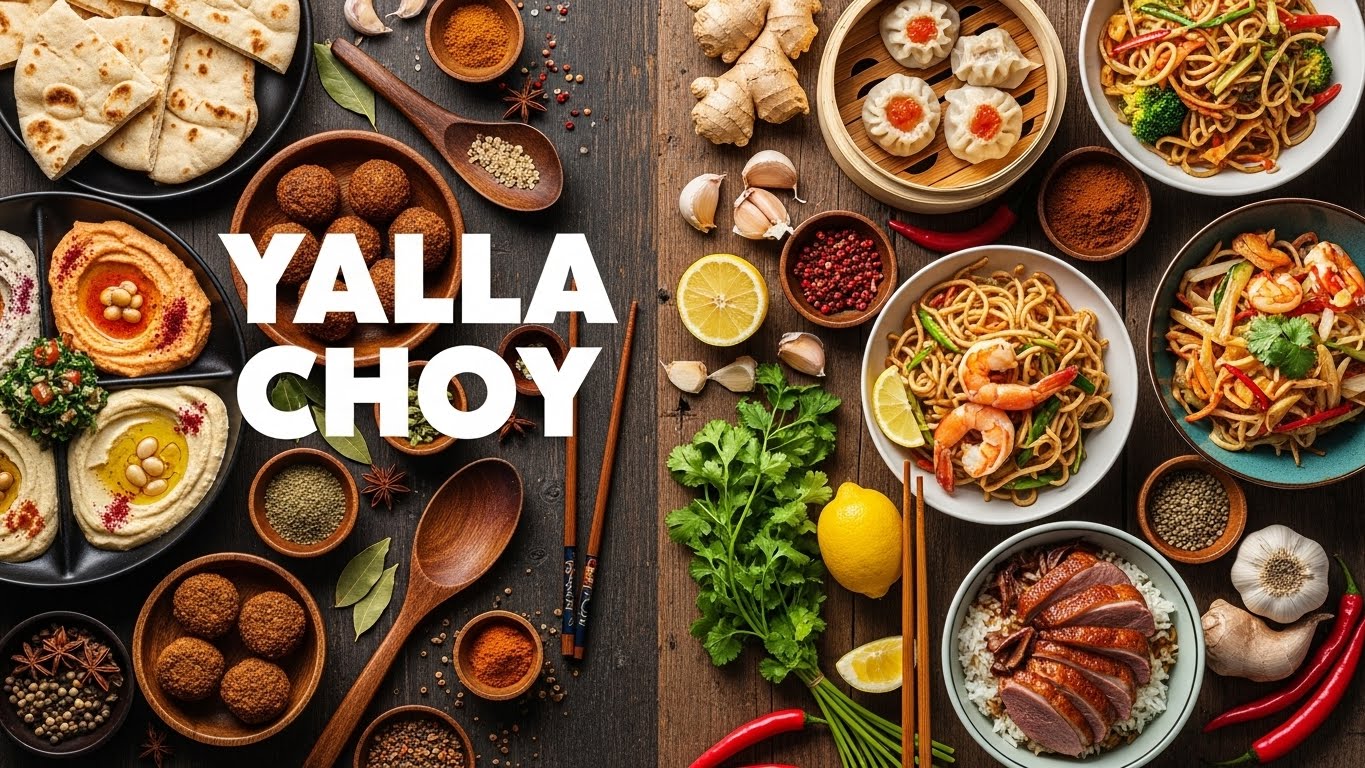
Yalla Choy! This vibrant phrase, often heard in bustling Middle Eastern markets and kitchens, has become a delightful call to savor exquisite flavors. It embodies the spirit of sharing food and enjoying life together. With culinary roots that stretch across various cultures, Yalla Choy invites us on a delicious journey through aromatic spices, fresh ingredients, and colorful dishes.
But what exactly is Yalla Choy? Is it just a catchy saying or something more? As we dive deeper into its origins and explore its connection to Middle Eastern cuisine, you’ll discover how this phrase not only represents an invitation to eat but also inspires mouthwatering recipes that bring people together. Get ready to tantalize your taste buds as we uncover the essence of Yalla Choy!
Exploring the Flavors of Middle Eastern Cuisine
Middle Eastern cuisine is a vibrant tapestry of flavors and aromas. Each dish tells a story, rich with history and tradition.
Spices reign supreme here. Cumin, coriander, and sumac play key roles in creating depth. They awaken the senses and elevate even the simplest ingredients.
Herbs like parsley, mint, and dill add freshness. Their bright notes cut through heavier dishes, providing balance that’s simply delightful.
From creamy hummus to tangy tabbouleh, texture matters too. The crunch of fresh vegetables complements smooth dips perfectly.
Grains are staples as well—bulgur wheat in tabbouleh or fluffy couscous with stews enrich every meal.
Let’s not forget about sweets! Baklava drizzled with honey offers a sweet finish that’s hard to resist.
Each bite invites you on an unforgettable culinary journey through the heart of Middle Eastern culture.
Popular Ingredients used in Yalla Choy dishes
Yalla Choy dishes are a vibrant celebration of flavors. At the heart of this cuisine lies an array of aromatic spices and fresh ingredients.
Cumin, coriander, and sumac often take center stage. They infuse each dish with warmth and depth. Garlic is another staple, adding a punch that elevates even the simplest meals.
Fresh herbs like parsley and mint bring brightness to Yalla Choy recipes. Their crispness balances rich flavors beautifully.
Vegetables play a crucial role too. Eggplants, bell peppers, and tomatoes frequently appear in various forms—roasted, sautéed, or stewed—to create heartwarming textures.
Don’t forget about legumes! Chickpeas are essential for their nutty flavor and protein content. They transform salads into satisfying mains effortlessly.
Grains such as couscous or bulgur provide that perfect base for many Yalla Choy creations. Each ingredient contributes to an unforgettable culinary experience that invites exploration.
Traditional and Modern Yalla Choy Recipes
Traditional Yalla Choy recipes often feature rich flavors and aromatic spices. A classic dish is a warm lamb stew simmered with saffron, cinnamon, and chickpeas. This comforting meal captures the essence of Middle Eastern hospitality.
On the modern side, chefs are reinventing Yalla Choy dishes by incorporating global influences. Think grilled chicken shawarma tacos topped with zesty tahini sauce or quinoa tabbouleh bursting with fresh herbs and citrus notes. These twists breathe new life into age-old favorites.
Vegetarian options also shine in this culinary landscape. Roasted vegetable couscous drizzled with pomegranate molasses offers a delightful balance of sweetness and tanginess that appeals to all palates.
Experimentation is key when crafting your own Yalla Choy creations. Mix traditional elements with contemporary ingredients for an exciting dining experience that pays homage to its roots while inviting innovation at the table.
Tips for Mastering Yalla Choy Cooking
To master Yalla Choy cooking, start with fresh ingredients. Quality matters in every dish. Local markets often have the best produce and spices.
Experiment with traditional techniques. Roasting, grilling, or slow-cooking can enhance flavors remarkably. Don’t be afraid to try new methods.
Balance is essential. Combine spicy, sweet, sour, and savory elements for a well-rounded dish. A dash of citrus can brighten up any recipe.
Taste as you go. Adjust seasoning gradually to achieve your desired flavor profile without overwhelming the dish.
Presentation counts too! Use colorful garnishes like herbs or pomegranate seeds to elevate your meals visually.
Embrace creativity. Mix classic recipes with modern twists; don’t shy away from fusion concepts that excite your palate and bring something unique to the table.
The Health Benefits of Yalla Choy
Yalla Choy is not just a culinary delight; it also boasts numerous health benefits that make it a worthy addition to your diet. This vibrant cuisine often features fresh vegetables, legumes, and spices known for their nutritional value.
Many Yalla Choy dishes incorporate ingredients like chickpeas and lentils. These powerhouses provide ample protein and fiber, promoting digestive health while keeping you full longer.
Herbs and spices play a crucial role as well. Ingredients such as cumin, coriander, and garlic not only enhance flavors but also possess anti-inflammatory properties. Garlic has been linked to improved heart health due to its ability to lower cholesterol levels.
The use of olive oil in many recipes provides healthy fats that support brain function. It’s rich in antioxidants too, which can help combat oxidative stress in the body.
With every bite of Yalla Choy, you’re embracing both taste and wellness.
Incorporating Yalla Choy into Your Daily Meals
Incorporating Yalla Choy into your daily meals can transform ordinary dishes. Start by adding a sprinkle of za’atar to your morning eggs or avocado toast for an aromatic twist.
Try mixing in chickpeas with spices and herbs for a hearty salad at lunch. This adds both flavor and protein, making it satisfying and nutritious.
For dinner, consider marinating chicken in yogurt and garlic with a touch of lemon juice. Grill it alongside seasonal vegetables for a Middle Eastern-inspired feast that’s sure to impress.
Don’t forget about snacking! Hummus is perfect for dipping fresh veggies or pita chips. You can even add roasted red peppers or olives to elevate the taste.
Experimenting with Yalla Choy doesn’t have to be complicated. Small changes can lead to delightful culinary experiences every day!
Conclusion
Yalla Choy invites you on a flavorful journey through the rich tapestry of Middle Eastern cuisine. With its vibrant ingredients and diverse dishes, it brings people together around the table. Whether you’re whipping up traditional classics or experimenting with modern twists, there’s always something new to discover.
As you embrace this culinary adventure, remember that Yalla Choy is not just about food; it’s about connection and sharing joy. Incorporating these recipes into your daily meals can enhance your dining experience while providing health benefits too. So gather your family and friends, explore the flavors of Yalla Choy, and enjoy the magic that happens when good food meets great company!

When it comes to Italy’s culinary treasures, few dishes evoke as much passion and delight as calamariere. This iconic seafood delicacy is beloved not just for its succulent taste but also for the rich cultural heritage it represents. Picture yourself on a sun-drenched piazza, savoring perfectly cooked squid that’s been lovingly prepared according to time-honored traditions. Whether you’re an adventurous foodie or simply curious about Italian cuisine, understanding calamariere will take your appreciation of this dish to new heights.
From its historical roots in coastal fishing villages to the modern variations found in bustling restaurants today, every bite tells a story of craftsmanship and love for fresh ingredients. Join us as we dive into the fascinating world of calamariere—from its origins and preparation techniques to how best to enjoy this delicious meal like a true local!
History of the Dish
Calamariere has deep roots in Italian culinary traditions, reflecting centuries of coastal influence. This dish originated from the Mediterranean regions where fresh seafood was abundant and integral to local diets.
Historically, calamari—the squid used for this delicacy—was often caught by fishermen who would use traditional methods passed down through generations. It became a staple among coastal communities due to its accessibility and versatility.
The earliest recipes date back to ancient times when cooks began experimenting with various preparations. Over the years, different regions infused their unique flavors into calamariere, blending local herbs and spices.
As trade expanded across Europe, so did the popularity of this dish. Today’s variations pay homage to those early influences while celebrating modern culinary techniques that enhance its appeal worldwide.
Ingredients and Preparation
Calamariere is a delightful seafood dish that celebrates the fresh flavors of the Mediterranean. The primary ingredient, squid, should be tender and fresh to ensure a satisfying bite. Look for whole squids or cleaned rings at your local market.
The preparation process is straightforward yet requires attention. Start by cleaning the squid thoroughly if it’s not pre-cleaned. Remove any skin and innards while being careful not to puncture it.
Next, slice the body into rings or leave it whole for stuffing options. A classic calamariere often includes breadcrumbs mixed with herbs like parsley and garlic for added flavor.
When ready to cook, many chefs prefer frying in hot oil until golden brown—this gives a perfect crunchy texture on the outside while keeping it juicy inside. Grilling is another popular method, imparting smoky notes that enhance its natural taste without overpowering it.
Regional Variations
Italy’s coastline boasts a rich tapestry of calamariere variations. Each region adds its own flair, reflecting local ingredients and culinary traditions.
In the south, particularly in Sicily, calamariere often includes capers and olives. The robust flavors create a delightful contrast to the tender squid.
Moving up to Naples, you might encounter the dish served with a zesty tomato sauce. This combination brings out the seafood’s natural sweetness.
The northern regions like Venice showcase calamariere with polenta or risotto. Here, it transforms into an elegant entrée highlighting both texture and taste.
In Puglia, locals embrace fresh herbs such as parsley and thyme, enhancing the overall aroma of this beloved dish.
Each variation tells a story about its place of origin, making every bite an exploration of Italy’s diverse culture.
Popular Accompaniments and Serving Suggestions
Calamariere shines when paired with the right accompaniments. A drizzle of fresh lemon juice enhances its natural flavors, adding a zesty kick that elevates every bite.
For those seeking depth, a side of marinara sauce brings warmth and richness to the table. Its robust flavors complement the tender squid perfectly.
Consider a light salad made from arugula or mixed greens tossed in an olive oil vinaigrette. The crispness balances the dish’s texture while adding freshness.
Another delightful pairing is garlic bread on the side. It’s perfect for mopping up any leftover sauces and adds an extra layer of indulgence to your meal.
Don’t forget about wine! A chilled glass of white wine, like Pinot Grigio or Vermentino, harmonizes beautifully with calamariere, enhancing its oceanic essence while keeping things light and refreshing.
Health Benefits of Calamariere
Calamariere is not just a delicious treat; it also offers several health benefits. This seafood dish is primarily made from squid, which is low in calories yet rich in essential nutrients.
Squid is an excellent source of protein, making it ideal for muscle repair and growth. It provides all nine essential amino acids, supporting overall body function.
Rich in omega-3 fatty acids, calamariere can contribute to heart health by reducing cholesterol levels and lowering the risk of cardiovascular diseases. These healthy fats are crucial for brain function as well.
Additionally, calamari contains vitamins B12 and C, along with minerals like selenium and zinc. These nutrients play vital roles in energy production and immune support.
For those looking to maintain a balanced diet while enjoying flavorful dishes, calamariere stands out as a smart choice that marries taste with nutrition.
Tips for Ordering and Eating Like a Local
When you’re in Italy, ordering calamariere is an art. Start by learning a few key phrases in Italian. This will impress the locals and enhance your dining experience.
Look for trattorias instead of tourist spots. Authentic places often serve more traditional versions of dishes like calamariere. Ask the staff for recommendations; they love sharing their favorites.
Don’t rush your meal—Italian dining is leisurely. Pair your calamariere with a glass of local wine to elevate the flavors.
When it arrives, take a moment to admire its presentation before digging in. Use your fork and knife or, if you’re feeling adventurous, go for it with just your hands!
Enjoy each bite mindfully—it’s not just food but part of Italian culture!
DIY Recipe for Homemade Calamariere
Creating homemade calamariere is a delightful culinary adventure. Start with fresh squid, which you can find at your local seafood market.
Begin by cleaning the squid thoroughly. Remove the head and innards, then rinse under cold water. Slice the body into rings or keep it whole for stuffing.
Next, prepare the batter. Combine flour, salt, pepper, and a hint of paprika for an extra kick. Dip each piece in the batter before frying.
Heat oil in a deep pan until it’s bubbling hot. Carefully add your battered squid to avoid splattering oil everywhere. Fry until golden brown—this usually takes just a few minutes.
For serving, garnish with lemon wedges and sprinkle some fresh parsley on top for color and flavor. Enjoy your homemade calamariere paired with marinara sauce or aioli for dipping!
Where to Find the Best Calamariere in Italy
Italy is a treasure trove for seafood lovers, and when it comes to calamariere, certain spots stand out.
In Naples, head to Trattoria Da Nennella for an authentic experience. Their calamariere served with homemade marinara sauce captures the essence of the city.
Venturing into Sicily? Don’t miss La Cucina di Riccobene in Palermo. Here, you can enjoy fresh squid caught that very morning—a true taste of local flavors.
For those exploring Venice, Osteria alle Testiere offers a unique twist on this classic dish. The chef’s secret blend of spices elevates their calamariere beyond expectation.
Each region boasts its own flair. Whether enjoying street food or fine dining, sampling calamariere across Italy promises delightful surprises at every turn.
Conclusion
Calamariere stands as a true testament to Italy’s rich culinary heritage, combining simplicity and sophistication in every bite. With its fascinating history and diverse regional interpretations, this delightful seafood delicacy continues to capture the hearts (and taste buds) of food lovers around the world.
Whether you choose to savor it at a quaint seaside trattoria or whip up your own version at home, calamariere invites exploration. From varied ingredients that reflect local flavors to popular accompaniments that enhance its appeal, there’s always something new waiting for you in this dish.
As you navigate through markets or dine out on your Italian adventures, being mindful of how locals enjoy calamariere can enrich your experience. The health benefits further add to its allure—offering not just flavor but nutrition too.
So whether you’re planning a trip to Italy or simply looking for inspiration in your kitchen, let calamariere guide you through an unforgettable journey of taste. Embrace the flavors and traditions tied to this remarkable seafood dish; it’s sure to leave lasting memories with each bite shared among friends and family.
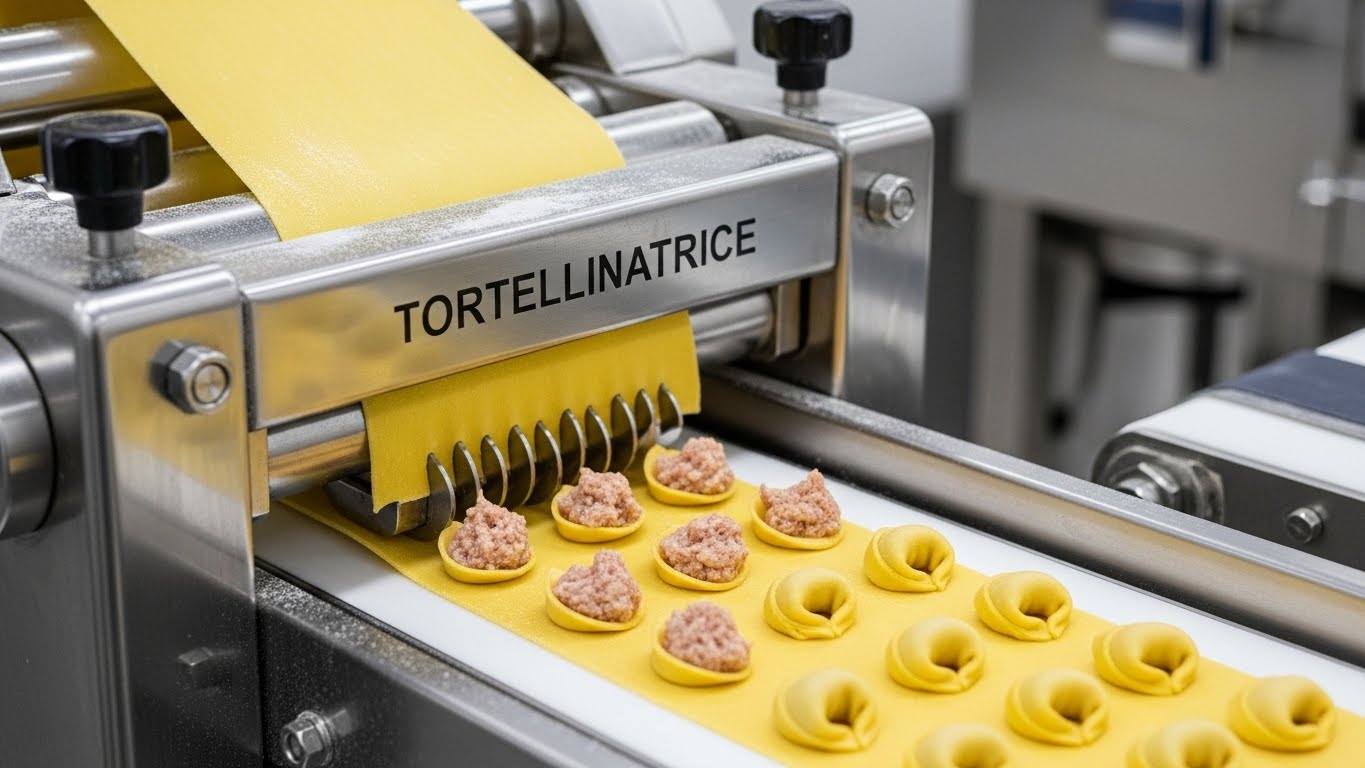
If you’ve ever dreamed of making perfect pasta at home, the Tortellinatrice might just be your new best friend. This innovative machine takes the art of pasta-making to a whole new level by automating the process and ensuring consistency in every batch. Gone are the days of laboriously rolling out dough and hand-folding each tortellini—now, you can enjoy fresh, homemade pasta with minimal effort.
Imagine impressing your friends with delicious tortellini filled with rich flavors, all while spending less time in the kitchen. Whether you’re a seasoned chef or just starting out on your culinary journey, understanding how this remarkable device works will open up exciting possibilities for your cooking adventures. From its fascinating history to practical maintenance tips, let’s dive deeper into what makes the Tortellinatrice a must-have tool for any pasta lover’s kitchen!
The History of Tortellinatrice and Its Evolution
The Tortellinatrice has its roots in Italy, where pasta-making is considered a cherished tradition. The manual techniques used for centuries were labor-intensive and required great skill. Pasta enthusiasts spent hours perfecting the art of shaping tortellini by hand.
With the rise of technology in the kitchen during the late 20th century, innovative minds sought to simplify this process. The first models of Tortellinatrice emerged, designed to replicate traditional methods while significantly reducing preparation time.
Over the years, manufacturers have refined these machines. Today’s Tortellinatrices are equipped with advanced features that enhance efficiency and consistency. With adjustable settings and intuitive controls, modern users can easily experiment with various fillings and dough types.
This evolution not only preserves culinary heritage but also invites new generations into the world of homemade pasta making without overwhelming them. Each advancement brings us closer to mastering authentic flavors right at home.
How the Machine Works: Step by Step Process
The Tortellinatrice is a marvel of modern kitchen technology. At the heart of its operation is the dough preparation stage. It starts by mixing flour, eggs, and water into a smooth, elastic dough.
Once the dough is ready, it moves to the rolling mechanism. This machine flattens it to an ideal thickness for forming tortellini. Precision here ensures each piece cooks evenly.
Next comes the filling stage. The Tortellinatrice accurately portions your choice of fillings—be it cheese, meat, or vegetables—onto each pasta sheet.
With just one touch of a button, the machine folds and seals each tortellino perfectly. The result? An array of beautifully shaped pasta that’s ready for cooking in no time!
Benefits of Using a Tortellinatrice
Using a Tortellinatrice can revolutionize your pasta-making experience. This machine streamlines the process, saving you time and effort in the kitchen.
One of the standout benefits is consistency. With precise measurements and automated folding, each tortellini comes out uniform in size and shape. This not only enhances presentation but also ensures even cooking.
Another advantage is ease of use. Whether you’re a novice or an experienced cook, a Tortellinatrice simplifies complex techniques like filling and sealing pasta. It allows anyone to create authentic Italian dishes without extensive training.
Moreover, it encourages creativity in recipes. Experiment with different fillings or dough flavors effortlessly. The possibilities are endless!
It elevates family gatherings or dinner parties by providing homemade pasta that impresses guests while offering a touch of tradition to modern cooking practices.
Different Types of Tortellinatrice and Their Features
When exploring the world of Tortellinatrice, you’ll find a variety of models designed to cater to different needs. Each type brings its own unique features that enhance your pasta-making experience.
Manual tortellinatrices offer simplicity and control. They allow you to craft each piece by hand, giving you a traditional touch while still speeding up the process compared to making pasta from scratch.
Electric versions take automation further. These machines mix, knead, and shape dough with just the push of a button. Ideal for busy kitchens, they save time without sacrificing quality.
Some models come equipped with interchangeable molds. This feature lets users create various shapes beyond tortellini—think ravioli and gnocchi—with ease.
For those who love customization, advanced machines often include variable thickness settings for dough sheets. This means you can achieve the perfect texture every time based on your recipe’s requirements.
Maintenance and Care for Your Tortellinatrice
Maintaining your Tortellinatrice ensures it stays in top shape for years. Start by cleaning the machine after each use. Wipe down surfaces with a damp cloth and mild detergent to remove any flour or pasta residue.
Pay special attention to moving parts. Regularly check for any buildup that could affect performance. A soft brush can help reach tight spaces without damaging components.
Lubrication is key too. Use food-safe oils on gears, making sure not to overdo it; a little goes a long way.
Store your machine properly when not in use. Keep it in a cool, dry place away from humidity, which could lead to rust or corrosion.
Refer to the manufacturer’s manual for specific care instructions tailored to your model. Proper maintenance will keep those delicious tortellini coming!
Cost and Availability of Tortellinatrice
The cost of a Tortellinatrice can vary widely. Entry-level models are available for those just starting their pasta-making journey. These machines typically range from $100 to $300, making them accessible for home chefs.
Mid-range options often feature additional capabilities and sturdier construction. Prices in this category usually fall between $300 and $600, appealing to enthusiasts looking for more versatility.
For serious aficionados or small restaurants, high-end Tortellinatrices offer exceptional quality and advanced features. These premium units can start around $600 and go well into the thousands.
Availability is broadening as interest in homemade pasta surges. You can find these machines at specialty kitchen stores, online retailers, and even some large department stores. Always check reviews before purchasing to ensure you’re getting a reliable model that suits your needs.
Conclusion: Why Every Pasta Lover Needs a Tortellinatrice in Their Kitchen
For every pasta lover, the Tortellinatrice stands out as a game-changer in the kitchen. This innovative machine not only simplifies the process of making tortellini but also ensures consistency and quality that can sometimes be challenging to achieve by hand.
Imagine having fresh, homemade pasta ready at your fingertips with minimal effort. The convenience it offers allows you to experiment with different fillings and flavors without feeling overwhelmed.
Investing in a Tortellinatrice means elevating your culinary experience. It bridges tradition and modern technology, allowing home chefs to connect with their passion for Italian cuisine while saving time. Whether you’re hosting a dinner party or enjoying a quiet meal at home, freshly made tortellini will surely impress.
If you love pasta as much as most do, adding a Tortellinatrice to your kitchen is an opportunity you don’t want to miss. Embrace this efficient tool and discover how delightful homemade pasta can truly be.
-

 Travel4 months ago
Adventure-Filled Best Family Road Trip Destinations Families Love
-

 Business4 months ago
Understanding Asbestos Trust Funds and Compensation
-
 Technology5 months ago
GlarklyHub: Fostering Innovation and Connection Among Members
-
 Technology5 months ago
Sosoactive: The Future of Digital Engagement and Authentic Social Connectivity
-

 Life Style4 months ago
Who is Monika Leveski? A Day in the Life of a Rising Star
-
 Blog5 months ago
Onnilaina: The Future of Fast and Secure Online Loans 2025-2026
-

 Business5 months ago
MyGreenBucks Kenneth Jones: Empowering Your Financial Future
-
 Blog5 months ago
UnbannedG+: A Community Reborn and What It Means for Users